


Can dogs eat honeycrisp apples? Pet owners often wonder if this particular apple variety is safe, nutritious, or risky for their furry friends. Let’s cut through confusion, look at veterinary guidance, and give you actionable steps to decide if Honeycrisp apples belong in your dog’s treat rotation.
Key Takeaways
- Honeycrisp apples are safe for most dogs in moderation and with proper preparation (removing seeds and core).
- They offer vitamins, fiber, and antioxidants, but the high natural sugar content means strict portion control is needed—especially for senior or diabetic dogs.
- Wash thoroughly to prevent pesticide exposure, and always introduce any new treat gradually to avoid stomach upsets.
- Can Dogs Eat Honeycrisp Apples? The Core Concept
- How to Safely Feed Honeycrisp Apples to Dogs: Step-by-Step Guide
- Advanced Analysis & Common Pitfalls
- Conclusion
- Frequently Asked Questions
Can Dogs Eat Honeycrisp Apples? The Core Concept
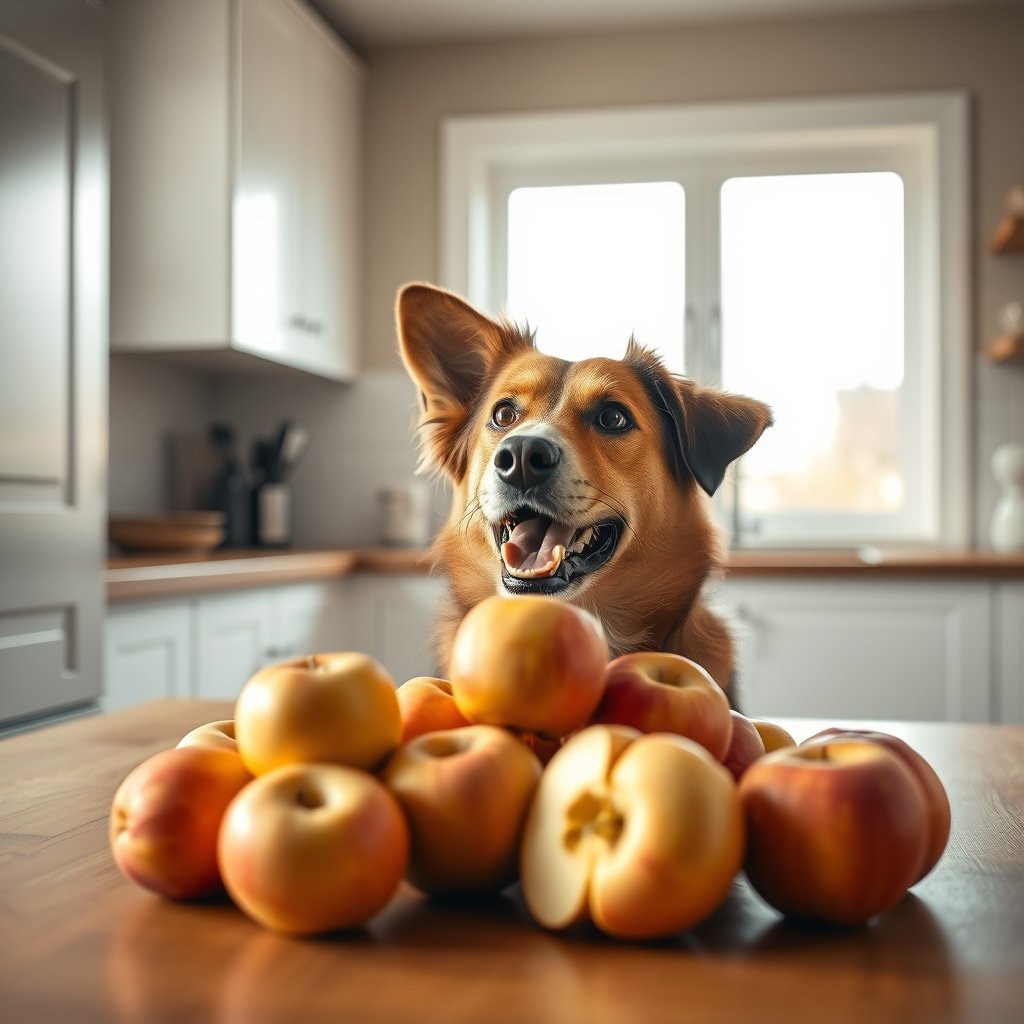
Dogs can eat Honeycrisp apples, but there are important rules to follow for safety. Honeycrisp apples bring the same general nutrition as other apple varieties—vitamin C, vitamin A, potassium, antioxidants, fiber, and malic acid for dental health. Their peels are especially high in fiber and antioxidants, which support digestion and immune function.
However, compared to green apples like Granny Smith, Honeycrisps are sweeter and higher in natural sugar. This is worth noting for dogs who are overweight, diabetic, or senior, as blood sugar spikes can occur more easily. Portion control is critical.
If you decide to treat your dog, remember: Always remove the seeds and core. The seeds contain cyanogenic compounds that are unsafe, and the core can be a choking hazard. There are no documented cases of poisoning, but expert consensus is clear: no seeds, no core, ever (PetMD).
Feed raw, fresh, plain apple with careful preparation and no artificial sweeteners. Done right, Honeycrisp apples can become a healthy low-calorie snack your dog will look forward to.
How to Safely Feed Honeycrisp Apples to Dogs: Step-by-Step Guide
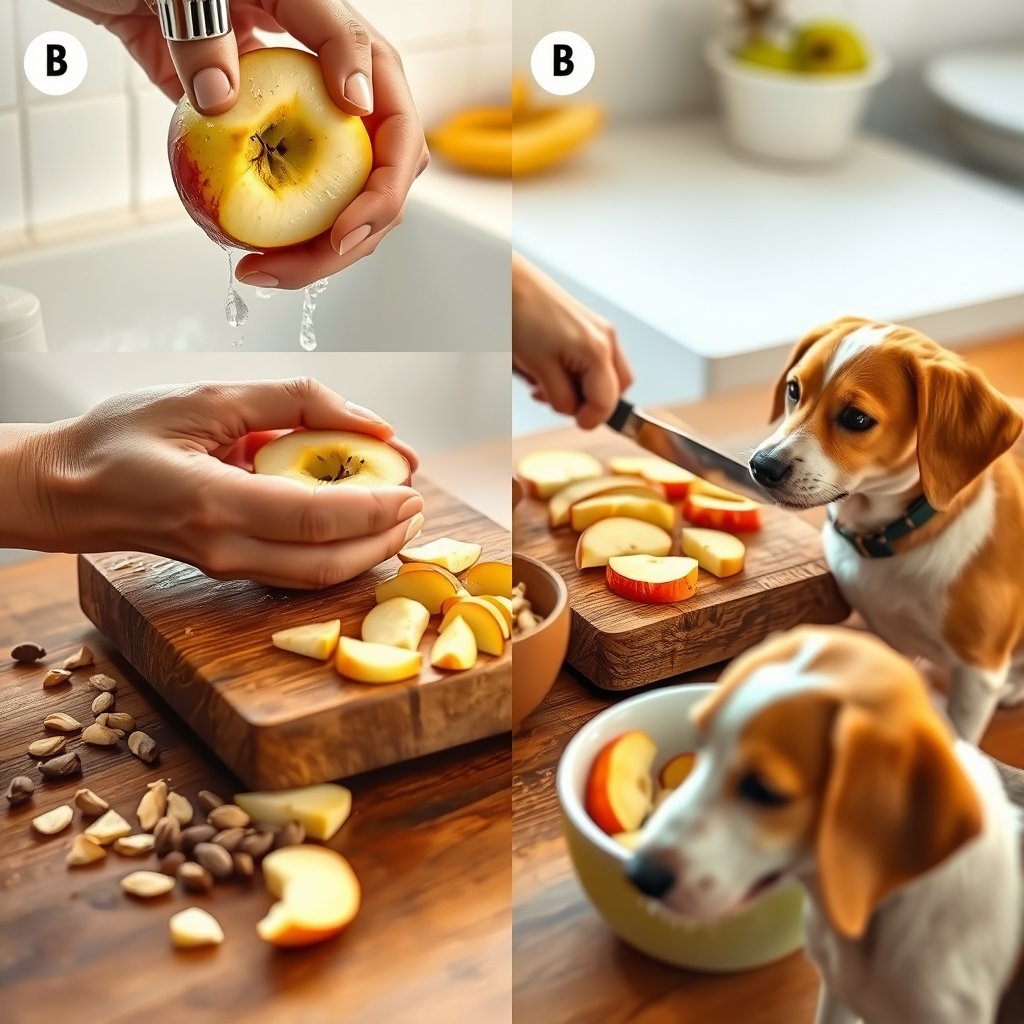
- Wash the Apple Well. Rinse carefully under water to remove pesticides, wax, and dirt. Even organic varieties may carry residue.
- Remove the Core and Seeds. Cut around the core and ensure all seeds are discarded to avoid any choking risk or cyanide exposure (as noted by AKC).
- Slice Appropriately. Cut the apple into small bite-sized pieces suited to your dog’s size and chewing strength. For toy breeds, cubes should be around the size of a standard kibble.
- Peel Optional. The peel offers fiber and antioxidants; however, if your dog has a sensitive stomach, start with peeled pieces to reduce digestive upset.
- Limit the Portion. A good rule of thumb is that treats—apples included—should never exceed 10% of your dog’s daily calories. That means for many small dogs, only a few small slices per treat session.
- Observe. After feeding, monitor your dog for signs of loose stool, gassiness, or other changes.
If you shop online for pet food and snacks, get advice on safe options and how to verify pet supplies on platforms like Shopee Pet before ordering treats.
As with any home treats, incorporate apples into a broader healthy routine. For more natural approaches to pet care, consider pairing fresh snacks with insights from organic lawn care for a pet-safe yard.
Advanced Analysis & Common Pitfalls
Most issues with feeding Honeycrisp apples to dogs happen due to lack of portion control, rushing prep, or ignoring specific health risks in certain pets. Drawing from expert veterinary and nutrition sources, here are the most realistic problems you might face:
- Sugar Overload. Honeycrisp apples contain about 19 grams of sugar per fruit—too much can trigger blood sugar spikes, weight gain, or worsen insulin resistance, especially in small, senior, or diabetic dogs (Dogs Naturally Magazine).
- Pesticide Residue. Failing to wash the apple risks exposing your dog to pesticide contamination, which may cause chronic issues with repeated exposure.
- Choking or Obstruction. Accidentally leaving in seeds or the hard core increases choking risk and can obstruct your dog’s digestive tract.
- Digestive Upset. Too many apples, or even moderate peels, can cause diarrhea or constipation. This happens more often in dogs with sensitive stomachs.
- Hidden Additives. Using cooked or store-bought “apple snacks” with added sugars or sweeteners is unsafe—xylitol is toxic to dogs even in tiny amounts.
| Honeycrisp Apples | Granny Smith Apples | Potential Issues for Dogs |
|---|---|---|
| High sugar (~19g/fruit), rich in antioxidants and vitamin A | Lower sugar, more tart (less palatable for some dogs) | Honeycrisp: Blood sugar spikes for sensitive or diabetic dogs Both: Seeds and cores remove always, peels can upset stomach |
| Sweet flavor increases risk of overfeeding | Often accepted by special diets | Overfeeding increases risk of GI upset and obesity regardless of variety |
Follow preparation steps meticulously and adjust portion sizes as you observe your dog’s tolerance. When in doubt, consult your veterinarian.
- Curious how healthy eating fits into your pet’s home? Explore pet-friendly garden designs for dogs that love to snack outdoors.
- If you need more advice for safeguarding your home and your pets, check out these tips on pet screening for landlords and renters alike.

Conclusion
In summary, Honeycrisp apples are a safe, nutritious option for most dogs but must be fed in moderation and properly prepared. Always wash, core, and remove seeds, and keep portion sizes small—especially for dogs prone to sugar-related health concerns. The most successful approach? Start gradually, observe for any upset, and always consult your vet if you have a dog with special dietary needs. For anyone asking “can dogs eat honeycrisp apples?”, the answer is yes—with knowledge, care, and portion control. Ready to try? Prep a few slices and see how your pup enjoys this crisp treat!
Frequently Asked Questions
Are Honeycrisp apples toxic to dogs?
No, Honeycrisp apples themselves are not toxic to dogs. However, the seeds and core must be removed to avoid choking risks and potential exposure to cyanogenic compounds. Stick to plain, raw apple flesh and peel, and your dog can enjoy this treat safely.
How much Honeycrisp apple can I safely feed my dog?
Limit apple treats—including Honeycrisp—to no more than 10% of your dog’s daily calories. For most dogs, this means just a few small slices. Always adjust portion size for your dog’s body weight and watch for any digestive changes.
Can dogs eat Honeycrisp apple peels?
Yes, peels are safe and full of fiber and antioxidants. However, if your dog has a sensitive stomach, try peeled slices first and watch for signs of GI upset.
Are there health risks from pesticide residue on apples for dogs?
Yes, dogs can be affected by pesticides on apple skin, especially with long-term exposure. Wash every apple thoroughly, or opt for organic when possible, before feeding to your dog.
Is it OK to feed Honeycrisp apples to diabetic or senior dogs?
It depends. Honeycrisp apples are higher in natural sugars. For diabetic or senior dogs, strict portion control and regular blood sugar monitoring are essential. Consult your veterinarian before offering fruit if your dog has diabetes or similar health concerns.