


### Blog Post:
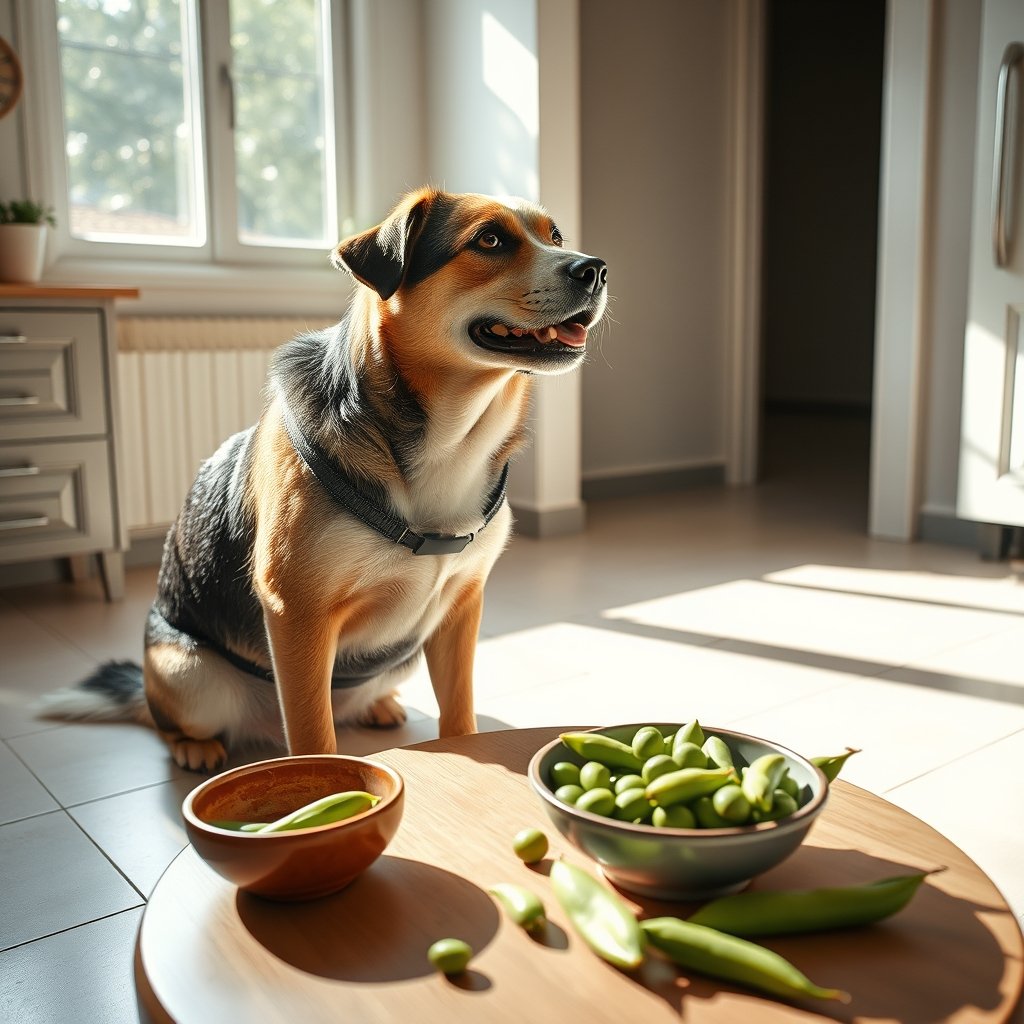
Can dogs eat fava beans? If you’ve ever dropped a few beans while cooking or noticed them listed as a trendy protein in some boutique pet foods, you’re not alone in wondering if fava beans are a safe treat or a potential hazard for dogs. Research shows a mix of confusion and outdated myths persists about these broad beans and canine diets. Here’s exactly what every dog owner should know, based on the latest veterinary studies and feeding trials.
Key Takeaways
- Short-term studies reveal no toxicity from cooked or processed fava beans for healthy dogs, but raw beans remain untested for home feeding.
- No major veterinary body explicitly approves fava beans for long-term dog diets; other beans like green beans have wider safety approval.
- Beans must always be prepared plainly; avoid seasonings and monitor for digestive upset after any new food introduction.
- What Are Fava Beans and Should Dogs Eat Them?
- Step-by-Step Guide: Safely Feeding Beans to Your Dog
- Advanced Analysis & Common Pitfalls
- Conclusion
- FAQ
What Are Fava Beans and Should Dogs Eat Them?
Fava beans, also called broad beans or horse beans, are high-protein legumes often found in Mediterranean cuisine. For humans, they’re nutritious—rich in plant protein, fiber, and minerals. But when it comes to dogs, the story is more complex.
Controlled feeding studies with beagles—some using up to 30% fava beans in their diet for four weeks—show no evidence of toxicity, anemia, or organ problems, as confirmed by normal blood work and behavior [study]. Unlike in humans with certain genetic traits (like G6PD deficiency), dogs do not experience red blood cell breakdown or ‘favism’ from eating fava beans. Most veterinary literature highlights that, when cooked or processed (such as fermented or extruded in commercial food), fava beans are not toxic to dogs in short-term trials.
However, fava beans are not currently approved as a primary ingredient in commercial dog food for long-term use by regulatory organizations like AAFCO. Raw beans may also contain anti-nutritional factors (such as vicine, convicine, and lectins) that could theoretically cause digestive upset, so real-world safety at home is less certain than lab trials.
Step-by-Step Guide: Safely Feeding Beans to Your Dog
- Choose the right beans. For fava beans, only use fresh beans (not dried) and always cook them. For safer alternatives, opt for Cooked Green Beans, black beans, or kidney beans instead—these have a proven track record in dog diets. For more info on fruit treats, see the guide on can dogs eat honeycrisp apples.
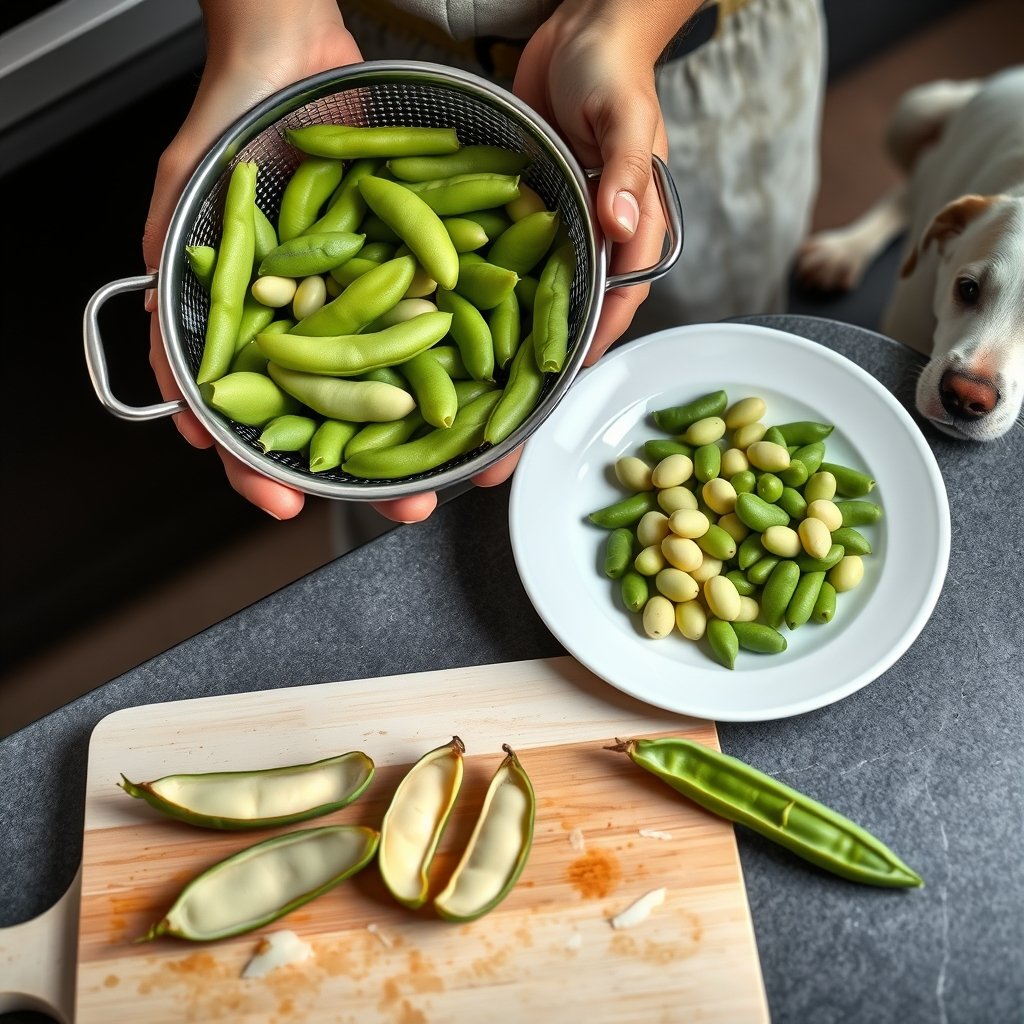
- Wash and prepare beans plain. Rinse beans thoroughly and remove any pods. Do not use seasonings, oil, salt, onions, or garlic—these ingredients are harmful to dogs.
- Cook thoroughly. Boil beans until soft to neutralize lectins and other anti-nutrients. Never offer raw or undercooked beans, as these can cause stomach upset.
- Start with very small amounts. Offer no more than a teaspoon for small dogs or a tablespoon for larger breeds when trying any new bean type. Watch several hours for any vomiting, diarrhea, or gas. If all goes well, these beans can be an occasional treat.
- Monitor stool and appetite. Higher portions of fava beans (over 20% of diet in studies) sometimes led to soft stool or reduced appetite. Stick to modest, infrequent portions alongside a balanced main diet.
For a variety of safe fruit treats, dogs often enjoy apple slices—discover more about choosing and preparing apples for your dog in this comprehensive apple feeding guide.
Advanced Analysis & Common Pitfalls
Even if the short-term studies indicate fava beans are not acutely toxic to dogs, there are a few realistic concerns and pitfalls to consider if you’re tempted to experiment with them in your dog’s diet:
- Long-term safety is unproven. All published feeding trials in dogs were 7 to 28 days long—AAFCO recommends at least six months of data before approving ingredients for general use. No large-scale, real-world cases have studied chronic exposure.
- Anti-nutritional factors remain a risk. Raw beans and unfermented forms contain vicine, convicine, tannins, and lectins that might cause vomiting, bloating, or mild toxicity—especially if eaten in large amounts or by sensitive dogs.
- Bean type and preparation matter. While fava beans are only safe cooked and in strict moderation, common staples like green beans, black beans, or kidney beans (when cooked) are widely accepted and may be safer for routine treats.
- No vet group expressly approves fava beans for dogs. The American Veterinary Medical Association (AVMA) and ASPCA give no explicit statement on fava beans. The FDA has ongoing studies about “grain-free” and pulse-heavy diets due to concern over diet-associated heart disease in dogs [study].
- Allergies and digestive issues can occur with any new food. Watch for reactions such as itching, hives, vomiting, or diarrhea.
For a detailed comparison of different beans’ effects on dogs, see the table below:
| Bean Type | Safety in Dogs | Nutritional Benefits | Key Differences vs. Fava Beans |
|---|---|---|---|
| Cooked Green Beans | Generally safe; low-calorie, high-fiber treat; no toxicity reports. | High fiber, vitamins A/C/K, low protein/calories; aids weight management. | AAFCO-approved, no vicine/convicine; lower risk than fava for both cooked and raw forms. |
| Cooked Black Beans | Safe in moderation; fully cooked to destroy lectins; excess causes gas/bloating. | Protein, fiber, antioxidants; supports digestion. | Better palatability and stool quality at low doses; fava beans may reduce stool quality at high levels. |
| Cooked Kidney Beans | Safe when thoroughly boiled; raw is toxic (vomiting/diarrhea). | Protein, iron, folate; moderate fiber. | Similar raw risk (lectins) as fava beans; both safe when well-cooked, fava not broadly approved for dogs. |
| Fava Beans (Cooked/Processed) | Safe short-term (7–28 days, ≤30%) in studies; no anemia; fermented forms digested better. | High protein (~27% dry matter), possible cardiovascular benefits compared to some grain-free diets. | Contain anti-nutritional factors (vicine/convicine, tannins, lectins) unprocessed; not AAFCO-approved. |
Other protein and fiber sources, like chopped apples or peas, are considered safer and widely recommended—see more safe fruits in the article on can dogs eat honeycrisp apples.
Note that the FDA has investigated the connections between pulse-heavy diets (including fava beans) and heart disease in dogs, making routine feeding of pulses controversial until more research emerges. For myth-busting and in-depth reading, see this outside research.
Conclusion
Short-term research suggests it is possible for most healthy dogs to safely eat small amounts of cooked fava beans without toxic effects. However, due to the absence of long-term safety data and approval from groups like AAFCO, and the potential for digestive upset from unprocessed beans, most veterinarians recommend favoring safer options—such as green beans, apples, or carrots. If you have lingering doubts, you can review comprehensive safety info on different treats in our detailed apple guide.
The best approach is cautious: treat cooked fava beans as an occasional experiment, never a dietary staple, and always monitor for digestive upset. If your dog ever shows unusual symptoms after trying a new food, contact your veterinarian promptly.
If you still wonder “can dogs eat fava beans” or are curious about how other fruits and veggies compare, explore more of our science-backed feeding guides and help your dog snack smarter—start here.
FAQ
Can dogs eat raw fava beans?
No, dogs should not eat raw fava beans. Raw beans contain anti-nutritional compounds like lectins and tannins that can cause vomiting, gas, or diarrhea. Always cook beans thoroughly before feeding.
Are fava beans safe for puppies?
No puppy-specific studies exist. Puppies have more sensitive digestion and nutritional needs, so avoid feeding fava beans to puppies. Choose safer, vet-recommended treats instead.
What symptoms should I watch for if my dog eats too many beans?
Monitor for signs of digestive upset—vomiting, diarrhea, bloating, or loss of appetite. These can occur if your dog eats too many beans of any kind, especially if undercooked or given suddenly.
Are fava beans better or worse than other beans for dogs?
Other beans, like green beans or black beans (when cooked), have a longer track record of safety, are AAFCO-approved, and are less likely to cause problems. Fava beans should only be an occasional cooked treat, not a staple protein.
Can fava beans cause allergies in dogs?
While allergies to beans are rare, any new food can potentially cause a reaction. Introduce fava beans in very small quantities and monitor your dog closely.
—