


Can dogs drink coke? This is a question many pet owners ask when they see their furry friend sniffing a glass of soda. The short answer is: Coke and other sodas are dangerous for dogs and should be kept far out of reach. Find out why, what toxic ingredients to watch out for, and what urgent steps to take if your dog accidentally drinks Coke.
Key Takeaways
- Coke contains caffeine, sugar, and sometimes artificial sweeteners, all of which can harm dogs—xylitol is especially deadly.
- Even small amounts of Coke can trigger serious symptoms like vomiting, tremors, and seizures in dogs; urgent veterinary care is often needed.
- Never give any type of soda (regular or diet) to your dog—stick with fresh, clean water as the safest choice for hydration.
- Why Coke Is Dangerous for Dogs
- Step-by-Step Guide: What To Do If Your Dog Drinks Coke
- Advanced Analysis & Common Pitfalls
- Conclusion: Protecting Your Dog
- FAQ
Why Coke Is Dangerous for Dogs
Coke and all sodas pose real, immediate risks to canine health. The primary danger comes from their mix of sugar, caffeine, carbonation, and, in some varieties, artificial sweeteners like xylitol. Dogs cannot safely metabolize these substances. Even a few sips of Coke can quickly lead to alarming symptoms ranging from agitation and vomiting to seizures.
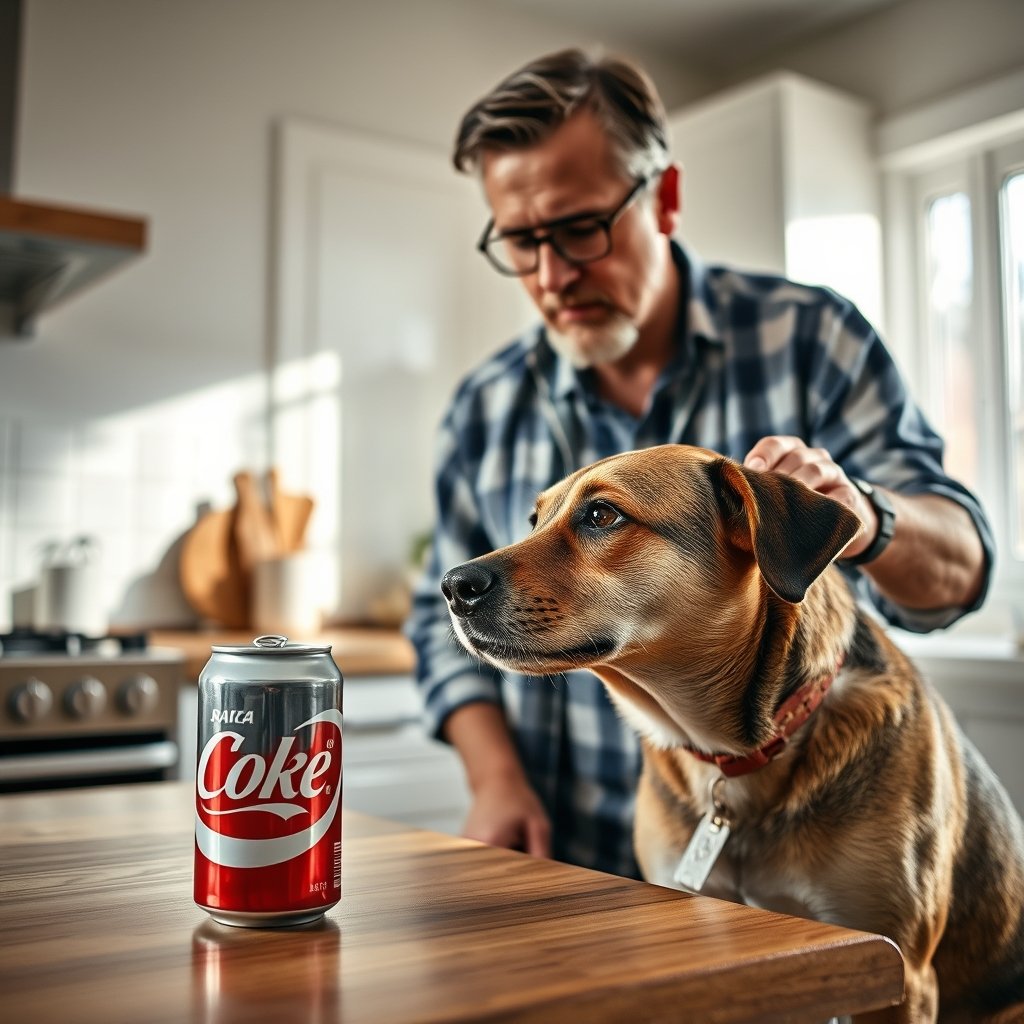
Caffeine is the most acutely toxic ingredient. According to the Pet Poison Helpline and Dial a Vet, caffeine rapidly affects the canine nervous and cardiovascular systems. There are no safe dose thresholds, and even small ingestions can cause restlessness, rapid breathing, or in worst cases, seizures.
Sugar in soda (nearly 40 grams per can) can upset a dog’s digestive system, cause vomiting, and contribute to long-term risks like obesity, diabetes, and dental disease. Dogs process sugar much less efficiently than humans.
Artificial sweeteners, especially xylitol (very common in sugar-free or diet sodas), are extremely toxic to dogs even in minute doses. Xylitol ingestion can cause sudden hypoglycemia, liver failure, and even death (AKC expert guidance).
Carbonation isn’t directly toxic, but it can quickly bloat your dog’s stomach and, in sensitive breeds, even lead to dangerous gastric emergencies.
Step-by-Step Guide: What To Do If Your Dog Drinks Coke
If your dog has consumed any Coke or soda, the right response can make the difference between a close call and a life-threatening emergency. Here are the most important steps to take:
- Remove Access: Take away any remaining Coke or soda from your dog’s environment to prevent further consumption.
- Assess the Situation: Estimate the amount and type of soda consumed (regular, diet, or unknown). Note your dog’s weight and age if possible.
- Monitor for Symptoms: Early signs include restlessness, vomiting, rapid or irregular heartbeat, excessive panting, or tremors. Xylitol ingestion can trigger sudden weakness, disorientation, and seizures.
- Contact Your Veterinarian Right Away: Even if your dog appears fine, always call your vet or a poison control line if any Coke or diet soda has been consumed—symptoms can be delayed and escalate quickly.
- Do not induce vomiting unless instructed by your vet: For xylitol cases especially, incorrect first aid can make things worse.
- Watch Closely for the Next 12–24 Hours: Dogs that have ingested caffeine or xylitol require close observation for sudden changes in behavior or the onset of urgent symptoms.
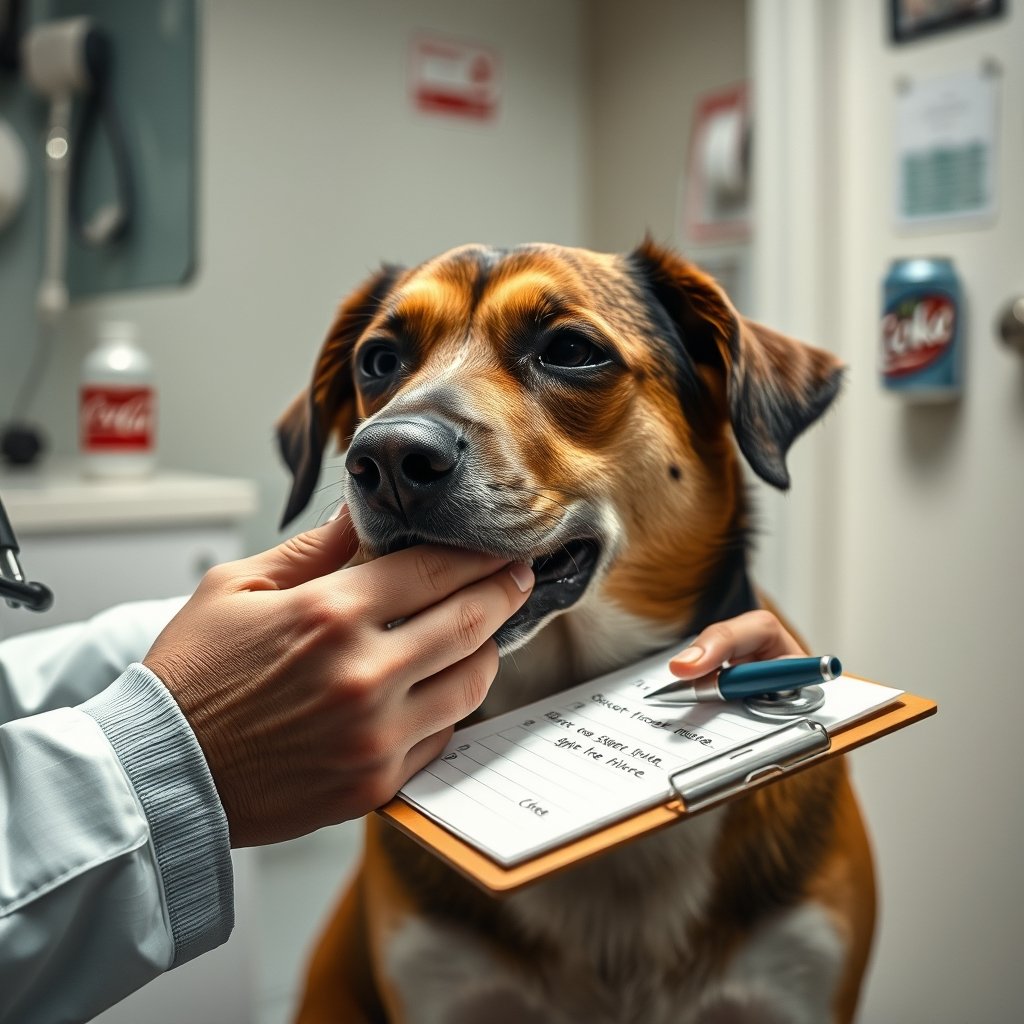
For dogs that suffer from chronic health issues (like diabetes, heart disease, or history of digestive upset), the risks are even greater. Never wait for symptoms to develop—timely action is your best protection.
Looking for safe treat alternatives instead? Consider reading our full guide on can dogs eat honeycrisp apples for healthy fruit snack options.
Advanced Analysis & Common Pitfalls
Many pet owners underestimate the dangers of Coke—especially the difference between regular and sugar-free versions. Here’s what research and veterinary reports reveal about common pitfalls:
- Assuming only diet soda is dangerous: It is true that sugar-free drinks with xylitol can be instantly deadly, but regular Coke’s caffeine and sugar are also very hazardous.
- Waiting for severe symptoms: Some effects, like caffeine tremors or xylitol-induced seizures, can happen suddenly after a delay. Never ‘wait and see’ with soda ingestion.
- Poor understanding of ingredients: Even small concentrations of caffeine or artificial sweeteners (including in flavored seltzer or cola-flavored water) carry risks.
- Skipping veterinary advice: General advice from online forums often overlooks breed, age, and other individual risks.
| Ingredient | Risk Level to Dogs | Immediate Symptoms | Long-term Impact |
|---|---|---|---|
| Caffeine (Coke, Pepsi, Mt. Dew, energy sodas) | Severe / Toxic | Hyperactivity, tremors, arrhythmia, vomiting, seizures | Organ stress, heart problems, neurological issues |
| Sugar (most regular sodas) | Moderate | Vomiting, diarrhea, lethargy | Obesity, diabetes, dental disease |
| Xylitol (some diet sodas) | Deadly | Weakness, rapid insulin surge, collapse, seizures | Liver failure, death |
| Other artificial sweeteners (sucralose, aspartame) | Mild | Upset stomach, diarrhea | Generally none, not recommended |
| Carbonation | Low-Moderate | Bloating, gas, discomfort, possible bloat (in predisposed breeds) | Stomach upsets |
Not every danger is obvious. For instance, some flavored sparkling waters and seltzers also contain caffeine or artificial sweeteners—see our dedicated analysis on can dogs drink seltzer water.
Chronic access to soda can also cause obesity, dental disease, and diabetes over time—concerns often overlooked by pet owners focused on only the immediate symptoms.
For digestive upset, you might wonder about over-the-counter remedies. However, you should never give medication like Pepto Bismol without expert guidance. See our guide on can dogs drink Pepto Bismol for safe usage tips.
Conclusion: Protecting Your Dog
Coke and all sodas introduce real risks—from acute caffeine and xylitol poisoning to long-term metabolic problems. Even small accidental sips can trigger severe reactions. The safest practice is never to let your dog access Coke or any carbonated drinks at all. If you ever find yourself searching “can dogs drink coke,” remember immediate action and veterinary guidance are essential.
Making smart choices can prevent heartbreak. Always choose fresh, clean water for your pet and double-check the safety of any new drink or treat. Protect your dog—share this information with any family or friends who live with dogs.
Want more advice on what dogs can safely drink? Discover alternatives in our research on can dogs drink Pedialyte, can dogs drink chamomile tea, and can dogs drink cranberry juice.
FAQ
Is a single sip of Coke dangerous for my dog?
Yes. Even a small amount of Coke can harm dogs, especially small breeds or puppies. The caffeine content, in particular, is very dangerous. If your dog sipped Coke, monitor for symptoms like tremors or vomiting and contact your vet.
What if my dog drank Diet Coke or sugar-free soda?
Diet sodas may contain xylitol, which is extremely toxic to dogs. Symptoms can develop rapidly, including weakness, loss of coordination, and seizures. Call your vet or emergency clinic immediately—it’s a true emergency.
Can Coke cause long-term health issues in dogs?
Yes. Regular soda can contribute to obesity, diabetes, and dental disease over time. Chronic or occasional access is always harmful, so never allow your dog to consume any soda.
Are there any safe alternatives I can give my dog to drink?
Fresh, clean water is always best. For special hydration needs, consult your vet about products like Pedialyte for dogs. Never give any soda, energy drinks, or caffeinated beverages.
What if my dog shows symptoms hours later?
Some symptoms, especially from xylitol poisoning, can be delayed. If you suspect your dog consumed any Coke (or any type of soda) and they develop unusual symptoms at any time, contact your vet or an emergency poison hotline immediately. Quick treatment is crucial.