


### Blog Post:
Can cats get lice from dogs? This question concerns many multi-pet owners and sparks confusion around pet care and parasite management. If you have dogs and cats living together, understanding if lice can jump between them is crucial to prevent unnecessary worry—and avoid wasted time or effort treating the wrong problem.
Key Takeaways
- Lice are strictly species-specific; dogs and cats cannot contract lice from one another.
- Proper diagnosis and treatment must be species-targeted, as protocols and lice types differ for dogs and cats.
- Misconceptions about cross-species transmission are common; veterinary consultation is necessary for accurate diagnosis and effective lice management.
- The Core Concept: What Science Says About Lice Transmission Between Cats and Dogs
- Step-by-Step Guide: Preventing and Managing Lice in Multi-Pet Homes
- Advanced Analysis & Common Pitfalls
- Conclusion
- Frequently Asked Questions
The Core Concept: What Science Says About Lice Transmission Between Cats and Dogs
Can cats get lice from dogs? The clear answer is no. According to extensive veterinary research, lice do not transmit between cats and dogs. Each species has its own unique type of lice. Cats and dogs host entirely different lice species adapted only for their specific biology. That means lice from a dog cannot survive, reproduce, or establish themselves on a cat, and vice versa. This specificity holds true even in homes where cats and dogs live closely together, share bedding, or interact often.

Dog lice include both sucking and chewing species—Linognathus setosus and Trichodectes canis—while the main species for cats is the chewing louse Felicola subrostratus. The science is clear: these parasites do not jump from one host type to another. This is confirmed by the Companion Animal Parasite Council and veterinary parasitology experts [source]. Even accidental transfer (for example, lying together or using the same brushes) does not allow for infestation, since survival on a non-target host is impossible.
Lice transmission between cats and dogs is simply not a risk for your pets. The only scenario to watch out for in multi-cat or multi-dog environments is that lice can travel between animals of the same species—especially through shared brushes, bedding, or close contact [source].
Step-by-Step Guide: Preventing and Managing Lice in Multi-Pet Homes
To protect your cats and dogs from lice, follow these steps designed for species-specific prevention and treatment:
- Inspect Each Pet Individually: Check both cats and dogs for signs of lice, such as intense scratching, biting, or restlessness. Look for small, white, or tan lice and nits attached to hair shafts. Remember: lice on a dog remain on dogs, and those on cats stay only on cats.
- Consult Your Veterinarian for Diagnosis: Many skin issues can mimic a lice infestation, including fleas, mites, and fungal infections. A veterinarian can quickly distinguish lice from other conditions and recommend the right treatment for that pet’s species.
- Follow a Treatment Protocol for the Affected Species: Only use lice treatments that are formulated and approved for the species in question. Never use a dog-specific lice product on a cat, or vice versa—it can be harmful.
- Disinfect Shared Items—By Species: wash and sanitize bedding, brushes, combs, and collars used by the affected pet species. Do not worry about cross-contamination between cats and dogs, but be thorough within species groups.
- Keep Regular Grooming Routines: Routine brushing and inspection help identify new issues early. However, grooming alone does not prevent lice.
- Integrate Flea/Tick Prevention: Keeping up with broad-spectrum parasite control products is another key defense, since areas with low flea/tick vigilance see more lice outbreaks [source].
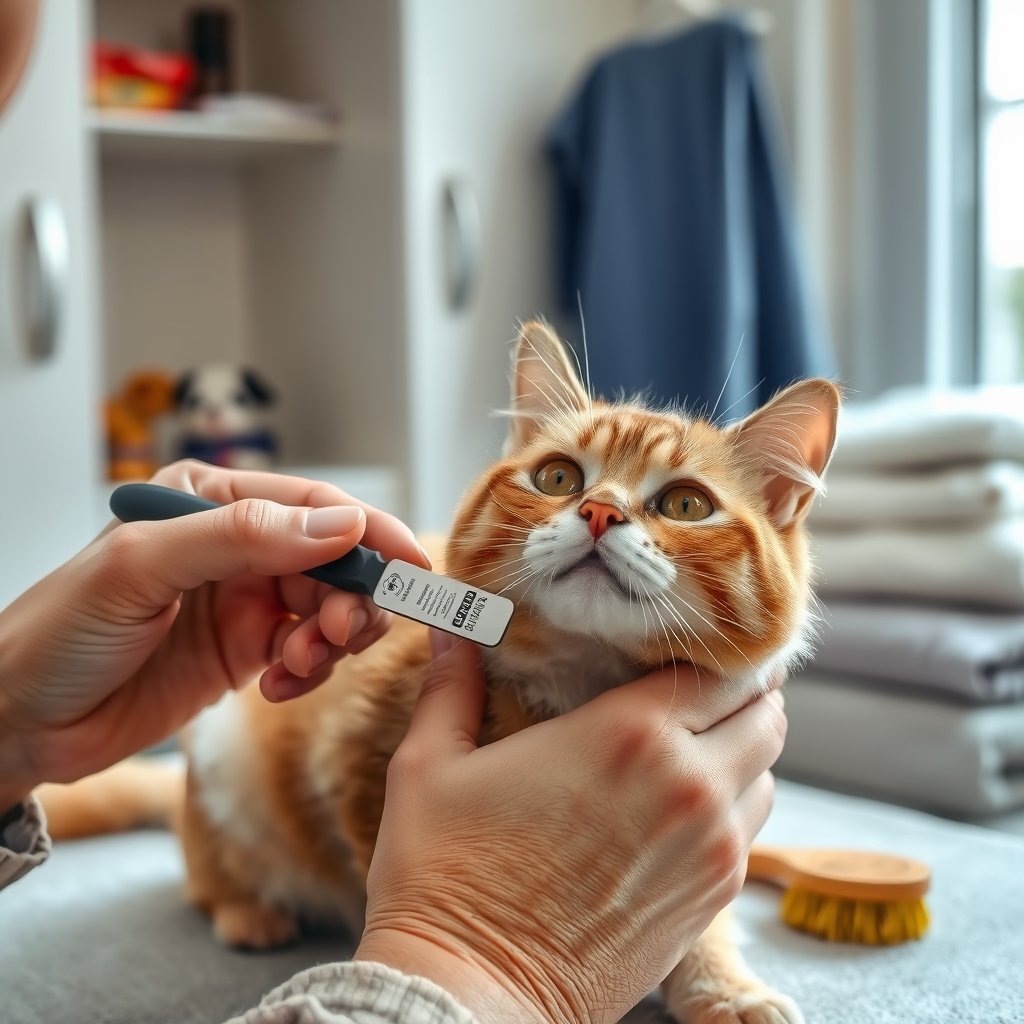
Real success also means not over-treating or creating stress. If one pet has lice, resist the knee-jerk reaction to treat every animal in the house. Focus efforts where the problem actually exists. Communication with your vet ensures all treatments are species-safe and situation-specific.
If you found lice on your dog and are curious about other health myths, see our post on can dogs eat honeycrisp apples and our guide to can dogs get human lice for more parasite truths.
Advanced Analysis & Common Pitfalls
The biggest issue for pet owners is persistent misconceptions. Even experienced pet parents may falsely assume that lice “jump” from dogs to cats (or humans), leading to wasted effort, unnecessary treatments, and lots of anxiety. Let’s break down the main pitfalls and how to avoid them:
| Common Mistake | Reality Check | Action to Take |
|---|---|---|
| Assuming cross-species lice transmission is possible | Dog lice cannot infest cats and vice versa (CAPC source) |
Individually assess and treat cats and dogs |
| Treating all your pets regardless of species | Unnecessary and could harm pets with species-inappropriate meds | Only treat affected animal(s) per vet recommendation |
| Relying on grooming alone as a preventative | Grooming helps detect but does not prevent lice | Combine routine inspection with integrated parasite control |
| Using the same brushes or beds for cats and dogs | Fomite transfer is only a risk within the same species, not across species | Keep pet items separated by species for best practice |
| Diagnosing lice based on symptoms alone | Many skin conditions mimic lice; professional diagnosis is necessary | Always consult a vet if infestation is suspected |
Confusing lice with other skin parasites is another real-world challenge. Ectoparasites like fleas and mites, or skin infections and allergies, frequently present with similar itching or visible debris. Veterinary clinics routinely distinguish these and recommend tailored solutions. Don’t attempt to treat “lice” based solely on home observation.
For related parasite and skin health info, read our in-depth post: can dogs get cavities.

If you’re considering broader pet health, our trusted guide on can a dog get rabies if vaccinated clears up other common pet care myths.
Conclusion
There’s no scientific evidence that cats can get lice from dogs. Lice are species-specific, strictly adapted to their intended host. For multi-pet owners, understanding that lice transmission does not cross between cats and dogs is essential—and relieves the need for unnecessary treatments or stress. Always seek veterinary advice for accurate diagnosis and management, and separate equipment by animal species to stomp out any risk of within-species spread.
Ready to boost your confidence in other dog and cat care topics? Dive into related posts like can dogs drink pedialyte for complete, expert-backed answers. If you still have questions about can cats get lice from dogs or any aspect of your pets’ health, book a veterinary consult today!
Frequently Asked Questions
Can my cat catch lice if my dog has them?
No, cats cannot get lice from dogs. Each species hosts unique lice that cannot survive or reproduce on the other.
What are the signs of lice in cats versus dogs?
Both cats and dogs show itching, restlessness, and visible lice or nits in their fur, but parasites are always species-specific.
Can humans get lice from their pets?
No. Humans have their own lice species, and pet lice cannot infest people.
How should I treat my pet if I find lice?
Only treat the affected pet, using products approved for their species. Do not use dog lice treatments on cats, or vice versa. Always consult your veterinarian.
Can lice spread between multiple cats or multiple dogs?
Yes, lice can easily transmit between animals of the same species, especially through shared brushes or bedding.
—