


### Blog Post:
Can dogs get dentures? This is a growing question for pet owners worried about their dog’s missing teeth and long-term health. In this guide, you’ll get expert facts and actionable steps about dog dental prosthetics, real veterinary recommendations, and safe alternatives grounded in fresh 2024 research.
Key Takeaways
- Dental implants and dentures are almost never recommended or provided for dogs due to serious safety and maintenance concerns, according to board-certified veterinary dentists.
- Up to 90% of dogs older than three years suffer from dental disease, and tooth extractions are common, but prosthetic replacements are not a mainstream solution.
- Most experts suggest practical oral care, regular professional cleaning, and preventive strategies over pursuing dentures for dogs.
- Can Dogs Get Dentures? The Core Concept
- Step-by-Step Guide: Dog Tooth Loss and What to Do
- Advanced Analysis & Common Pitfalls
- Conclusion
- Frequently Asked Questions
Can Dogs Get Dentures? The Core Concept
The idea of giving dogs dentures or dental prosthetics often comes from seeing their human counterparts regain function and a natural appearance through artificial teeth. However, for dogs, the reality is quite different: veterinary dentists overwhelmingly do not recommend or perform dental implants, artificial teeth, or dentures for pets in everyday practice.
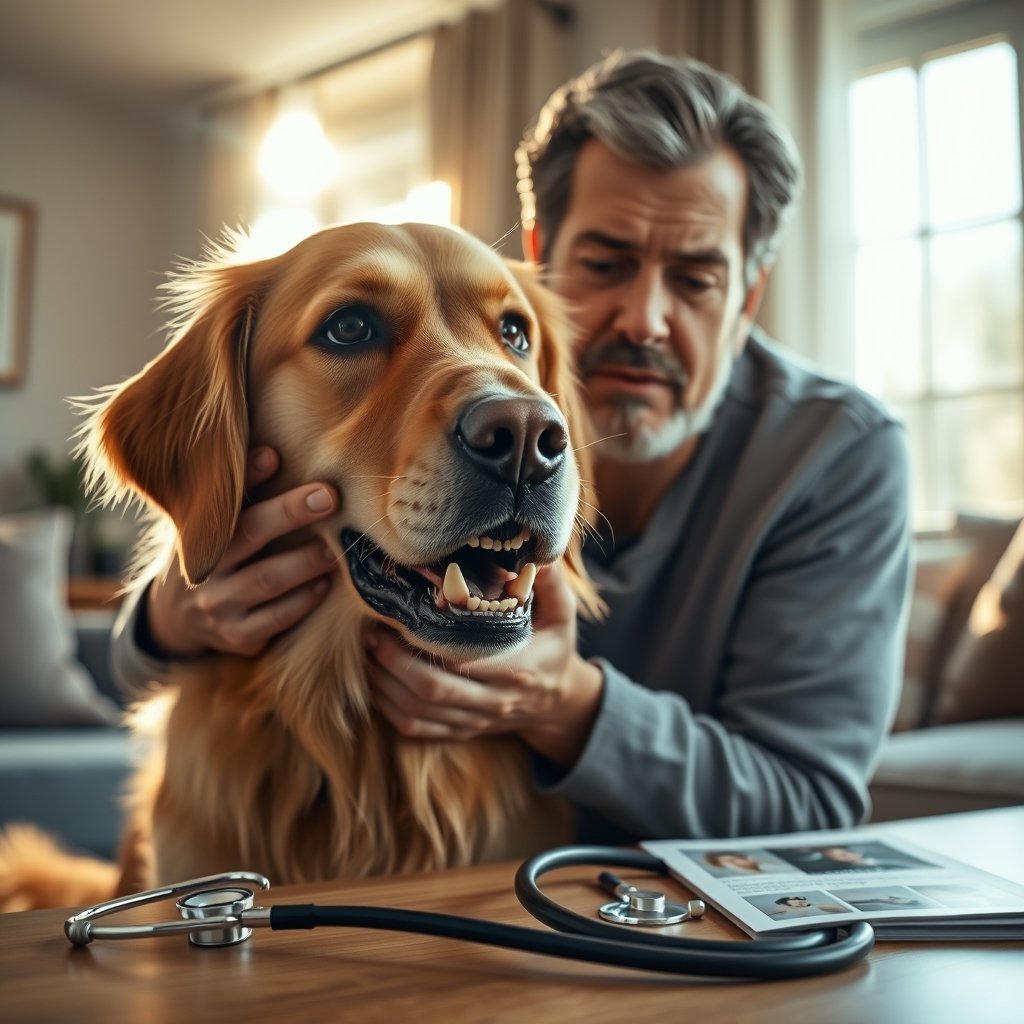
Why? First, dogs’ chewing behavior is unlike that of humans. Dogs use more force, gnaw on hard objects, and cannot maintain oral hygiene. Even if an implant or denture could be fitted, it would likely fail or break under typical canine habits.
The prevalence of dental disease in dogs is high — up to 90% of those over age three have gum disease, and extractions are extremely common (source). Yet, there’s almost no uptake of prosthetic replacements. Veterinary dentists cite a lack of success stories and scientific evidence backing the use of dog dentures or implants (source).
For owners interested in dog oral health, options like tailored dental hygiene strategies, safe chew toys, and regular vet care are usually far more beneficial. If you’d like to boost your dog’s oral health further, learn more about topics like can dogs get cavities and how cavities are managed in canines.
Step-by-Step Guide: Dog Tooth Loss and What to Do
If your dog loses a tooth or faces extractions due to advanced dental disease, follow this clear, expert-backed action plan to protect their health and comfort:
- Book a veterinary dental consult. Only a veterinarian can properly assess if tooth replacement is safe or necessary. Ask explicit questions about long-term quality of life and any valid alternatives.
- Review all safe alternatives. Discuss:
- Professional cleaning schedules to reduce further disease
- dental diets or treats
- Oral gels and rinses designed for pets
- Switching to softer diets if multiple teeth are lost
- Skip home tooth replacement “kits”. Never attempt to fit or glue anything into your dog’s mouth. These can trap bacteria or cause injuries.
- Create a daily oral care routine. Brushing is best, but dental wipes or water additives can help if brushing isn’t possible.
- Monitor your dog’s eating and comfort. Watch for changes in appetite, drooling, bleeding, or signs of mouth pain, and report new symptoms to your vet promptly.
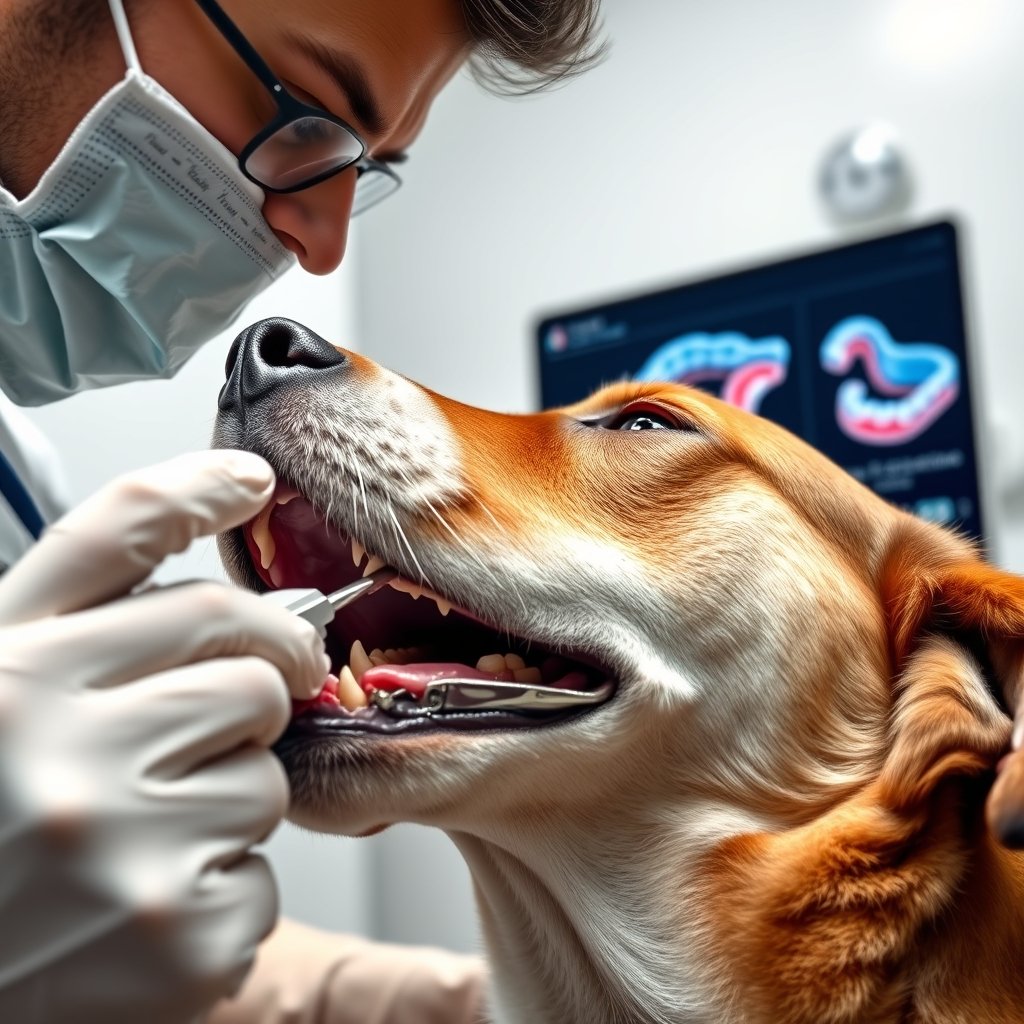
If you’re searching for healthy treat ideas that won’t aggravate sensitive gums, read can dogs eat Honeycrisp apples or can dogs drink Pepto Bismol for alternatives that support dental and digestive health. You might also find new insights in can a dog get rabies if vaccinated if your dog’s immune system is top of mind or in can dogs eat fava beans for safe, soft plant-based snacks.
Advanced Analysis & Common Pitfalls
While the idea of replacing your dog’s teeth is appealing, the evidence paints a very different picture. Most professionals highlight critical pitfalls and complications related to canine dental prosthetics:
- Lack of Scientific Support: There are no large-scale, peer-reviewed studies showing long-term success of dog dentures or implants. Most anecdotal reports suggest high failure rates.
- Real Safety Risks: Chewing on hard toys, bones, or accidental trauma easily dislodge or fracture dentures, causing injury or infection (source).
- Hygiene and Maintenance Problems: Dogs cannot brush or clean prosthetics like humans. Bacterial buildup, painful sores, and foul breath are common complications without meticulous human intervention.
- No Cost-Effective Options: Even where experimental procedures exist, cost data is lacking and most owners would face high, uninsured expenses for little benefit.
Veterinary dentists instead advocate for robust preventive care, as explored in can dogs get cavities.
| Solution | Recommended for Dogs? | Benefits | Drawbacks |
|---|---|---|---|
| Dentures/Implants | No | Restores lost teeth in theory | High failure, safety risks, lack of studies, not supported by vets (source) |
| Extractions + Oral Care | Yes | Improved comfort, prevents ongoing pain, lower infection risk | Permanent tooth loss, needs dietary adjustment |
| Dental Diets/Chews | Yes | Reduces tartar and future disease, safe if vet approved | May need to adjust flavors/textures after extractions |

Conclusion
Most dog owners wonder “can dogs get dentures” hoping for a fix to troublesome tooth loss, but science and veterinary experience both warn against this approach for pets. Instead, focus on prevention, regular dental checks, and vet-guided oral care routines for your best results. If you’re dealing with dog dental disease, consult your veterinary dentist for safe, practical strategies starting today.
Want more proven pet health guides? Browse our latest answers, such as can dogs drink cranberry juice and can dogs eat guar gum.
Frequently Asked Questions
Can dogs safely get dentures or dental implants?
No. Veterinary dentists almost never recommend dental implants or dentures for dogs due to chewing habits, hygiene limitations, and high failure rates (learn more).
What should I do if my dog loses several teeth?
Book a consult with your vet to plan extractions and a new oral care routine. Most dogs adapt well on soft foods and require preventive care, not replacement teeth.
Are there any alternatives to dog dentures for severe tooth loss?
Yes. Vets recommend prescription dental diets, safe chew treats, oral rinses, and regular professional cleaning to maintain function and comfort after extractions.
How common is dental disease and tooth extraction in dogs?
Extremely common. Up to 90% of dogs over three years suffer dental disease, and many require extractions (see data).
Are there legal or ethical restrictions on dental prosthetics for dogs?
The professional consensus is that implants/dentures are not appropriate for dogs, but specific legal prohibitions are rarely published. Always consult a board-certified veterinary dentist.
—