


### Blog Post:
Can dogs drink juice? Many dog owners wonder if fruit juices are a safe substitute for water or a tasty treat for their pets. While juice may seem harmless, the reality is more complicated. Here’s what you need to know before offering your dog any kind of juice.
Key Takeaways
- Fruit juices—especially apple juice—are not recommended for dogs due to high sugar content and potential additives.
- Water should always be your dog’s main drink; whole fruits are safer than juice as occasional treats.
- Always consult your veterinarian before introducing any new foods or beverages to your dog’s diet.
- Can Dogs Drink Juice? The Real Risks Explained
- How to Safely Handle Juice Around Dogs: Step-By-Step Guide
- Advanced Analysis & Common Pitfalls: What Most Owners Overlook
- Conclusion
- FAQ: Can Dogs Drink Juice?
Can Dogs Drink Juice? The Real Risks Explained
Fruit juices—like apple, orange, or cranberry juice—may seem like a fun treat for your dog, but they present more dangers than benefits. Juices contain concentrated sugars, which can lead to obesity and diabetes in dogs, even when the label says “no added sugar.” Commercial juices often have added sweeteners and preservatives that can upset your dog’s digestive system or cause other health problems. Even sparkling juices can cause bloating and discomfort due to carbonation.
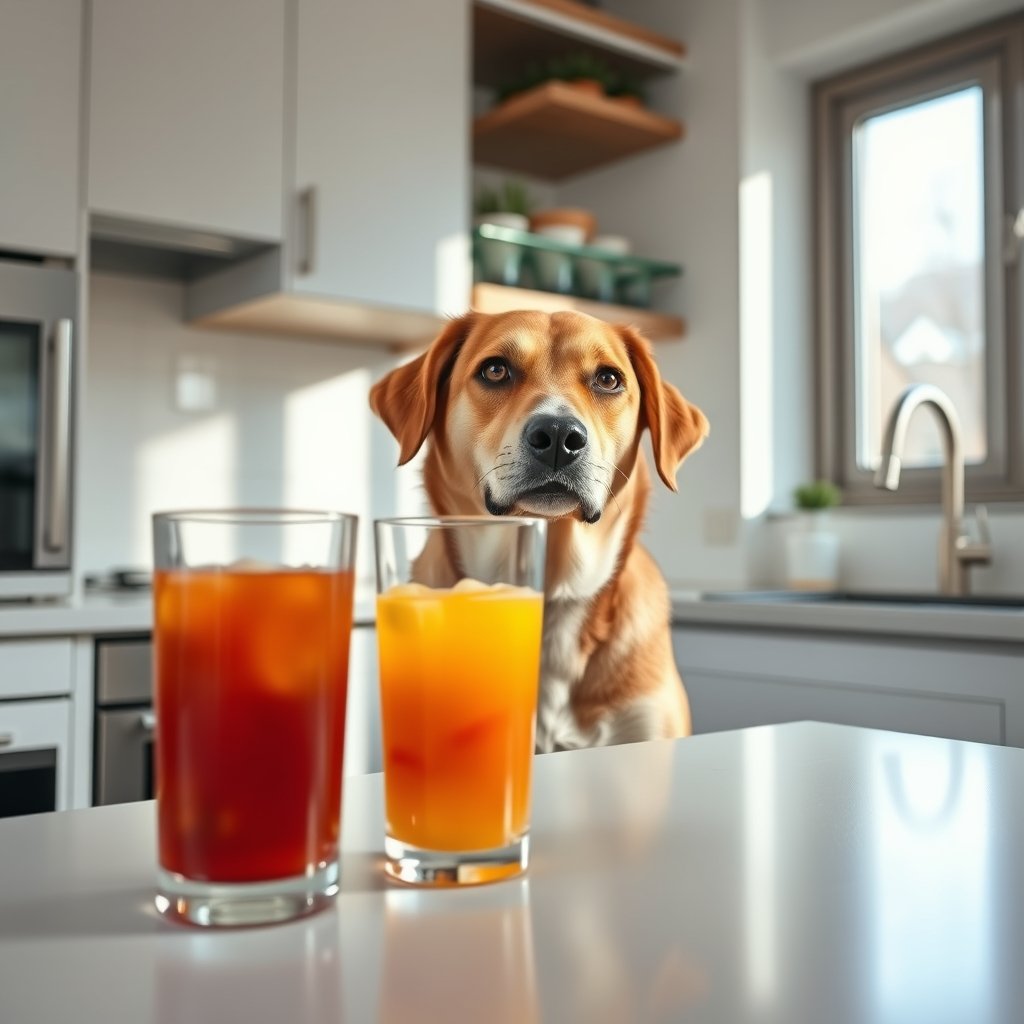
Veterinary sources agree that water is the best drink for dogs. Unlike juice, water doesn’t contain sugars or additives that could harm your pet. While some whole fruits (like apples) can be a safe, occasional snack for dogs, giving them juice skips important fiber and concentrates sugars to unhealthy levels. For example, a typical 200ml serving of apple juice contains over 20 grams of sugar, far more than a dog should have in an entire day (source).
No peer-reviewed studies prove that juice—of any kind—improves canine health. According to the latest nutritional research, health benefits associated with fruits come from whole food forms, not juice. The lack of fiber in juice means your dog misses out on important nutrients and gets only the sugars and minimal vitamins that remain after processing.
If you’re interested in healthy apple-based treats, see our guide on can dogs eat honeycrisp apples, where you’ll learn how to safely serve whole apples for your dog’s benefit.
How to Safely Handle Juice Around Dogs: Step-By-Step Guide
- Keep All Juice Out of Reach: Store all types of juice—bottled, boxed, fresh—in cabinets or fridges so your dog can’t accidentally drink any. Never leave finished glasses on low tables.
- Prioritize Water: Ensure your dog always has plenty of fresh, clean water. Replace water at least twice daily and avoid ever mixing juice into their bowl.
- Offer Whole Fruit Instead: If you want to give your dog a fruity treat, opt for bite-sized slices of dog-safe fruits like apples (with seeds removed and skin intact). See these tips for safely feeding apples: can dogs eat honeycrisp apples.
- Read Ingredient Labels: Juices often hide dangerous substances—sweeteners like xylitol are toxic to dogs, and even “natural” juices concentrate sugars to unhealthy levels.
- Watch for Reactions: If your dog accidentally drinks juice, monitor for vomiting, diarrhea, lethargy, bloating, or signs of distress. Contact your vet immediately if symptoms occur.
- Consult Your Vet: Before letting your dog try anything outside their regular diet, including juices and fruits, talk to your veterinarian. This is especially important if your dog has diabetes, digestive issues, or is overweight.
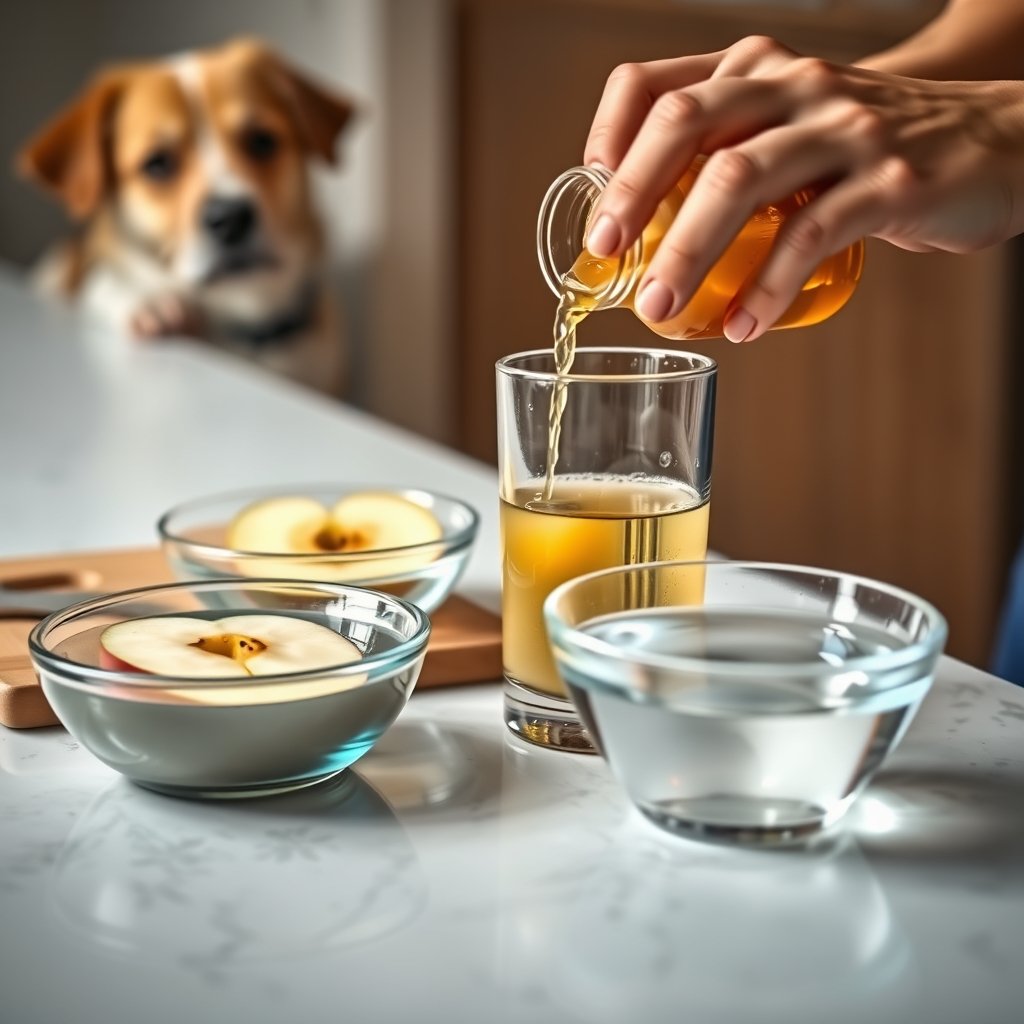
If you’re considering hydrating alternatives for sick or recovering dogs, products like can dogs drink Pedialyte may be worth discussing with your vet—see this guide: can dogs drink Pedialyte.
For those thinking about less conventional options, consult these safety overviews: can dogs drink coconut milk and can dogs drink cow milk. Not all “human drinks” are safe, and many non-water options can upset your dog’s stomach or lead to health problems over time.
Advanced Analysis & Common Pitfalls: What Most Owners Overlook
Based on current veterinary and nutrition research, here are the most overlooked risks and misconceptions dog owners face when it comes to juice:
- High Sugar Content: Most juices, including “no sugar added” options, still contain enough sugar to contribute to canine health problems. For context: a standard 200ml serving of apple juice packs over 20 grams of sugar—about five teaspoons and more daily sugar than a dog should have (source).
- No Documented Benefit from Juice: No peer-reviewed evidence supports the idea that juice is beneficial for dogs. The real nutritional value comes from whole fruits, which provide fiber and a better balance of nutrients (source).
- Additives & Preservatives: Commercial juices often contain artificial sweeteners, colors, and preservatives—some of which can be toxic to dogs (such as xylitol), while others may cause mild digestive upset.
- Confusing Safety for Advisability: Technically, a tiny sip of some plain, pure fruit juice (without seeds, pits, or sweeteners) won’t poison a typical dog, but that does not mean it’s advisable or healthy.
- Hydration Needs: If a dog drinks juice instead of water, dehydration can become a risk, especially with gastrointestinal upset from juice. Pure water is always the safest and healthiest choice (source).
- Lack of Clinical Data: No clinical research confirms that juices (apart from avoided ones like grape juice, which is known to be toxic) are safe. Even cranberry juice, sometimes believed to benefit urinary health, lacks convincing veterinary evidence when it comes to dogs.
Some owners mistakenly believe juice is an easy way to add vitamins to their dog’s diet or prevent urinary tract infections. In reality, these potential benefits are best achieved with whole fruits in moderation—if at all—and only after talking to your vet. For more on the comparative safety of different liquids, review can dogs drink distilled water for plain hydration alternatives.
| Beverage | Sugar per 200ml | Fiber | Common Additives | Suitability for Dogs |
|---|---|---|---|---|
| Apple Juice | 20g+ | 0g | Preservatives, sweeteners | Unsafe |
| Cranberry Juice | 18-22g (often added sugar) | 0g | Preservatives, colorants | Not recommended |
| Orange Juice | 16-20g | 0g | Possible artificial flavors | Not recommended |
| Whole Apple (100g) | 10g | 2-3g | None (if plain apple) | Safe in moderation |
| Plain Water | 0g | 0g | None | Best choice |

If you still want to explore fruit-based liquids for canine urinary support, read the real risks and expert-backed advice in can dogs drink cranberry juice.
Conclusion
Juice is not a healthy or safe option for dogs. The high sugar content, lack of fiber, and risk from preservatives outweigh any perceived benefits. Always choose fresh water and, if you want to treat your pet, small pieces of dog-safe fruit instead. Can dogs drink juice? Technically yes, but they should not. Prioritize your dog’s health—skip the juice and stick to proven safe treats. For more vet-backed tips and safe feeding guides, subscribe to our updates or explore our related resources.
FAQ: Can Dogs Drink Juice?
Is it ever safe to give my dog a small amount of juice?
No amount of juice is truly beneficial for your dog. While a single lick is unlikely to be toxic, the health risks—especially from sugar and additives—still make it an unsafe choice. Choose water or whole fruits as treats.
What should I do if my dog drinks juice by accident?
If your dog ingested a small amount, watch for signs of stomach upset like vomiting, diarrhea, or bloating. For large amounts or if symptoms appear, contact your veterinarian immediately. Always keep juice and similar beverages out of reach.
Are any juices safe for dogs if I make them at home?
Homemade juices still lack the fiber of whole fruit and concentrate sugars. They may have fewer additives, but the high natural sugar isn’t healthy for your dog. Serve whole fruits in moderation instead.
Why is water recommended over juice for dogs?
Water hydrates your dog without added sugars, calories, or chemicals. Juice can upset your dog’s digestion, contribute to health issues like diabetes, and isn’t needed for vitamins or minerals if your dog’s eating a balanced diet.
Can juice help with specific health problems like urinary tract infections?
No veterinary evidence supports using juice—such as cranberry juice—as treatment or prevention for dog urinary issues. If your dog has urinary tract problems, always consult your veterinarian for proven therapies.