


### Blog Post:
Can dogs get false teeth? This question surfaces when pet owners face dental loss in their dogs and wonder about advanced treatments. While dentistry for dogs has evolved, dog dental implants and prosthetic teeth remain rare and carry serious considerations. Here’s what every pet owner needs to know about canine false teeth, the reality of dental implants for dogs, risks, costs, and realistic alternatives.
Key Takeaways
- Most veterinarians do not offer false teeth or dental implants for dogs due to high cost, risk, and lack of necessity.
- Dental implants for dogs are often considered cosmetic and rarely improve quality of life compared to simple adjustment of the dog’s diet and behavior.
- Success rates in dogs are inconsistent, with complications more likely in large breeds; understanding alternatives is crucial before pursuing prosthetic options.
- What Are False Teeth for Dogs?
- How Would Dog Dental Implants Work? Step-by-Step
- Risks, Complications, and Pitfalls of Canine False Teeth
- Conclusion
- Frequently Asked Questions
What Are False Teeth for Dogs?
False teeth, or prosthetic teeth, for dogs refer to artificial dental implants or crowns used to replace missing canine teeth. Unlike humans, dogs rarely get dentures or bridges, and the veterinary field does not routinely recommend or perform permanent dental implants on most dogs. The procedures are reserved for rare cases—usually working or police dogs that lose a key tooth.

There are a few reasons for this:
- Functionality: Dogs typically adapt well to missing teeth, relying on other teeth or their jaw strength.
- Complexity and Risk: Implant surgeries carry heightened risks for dogs, especially larger breeds.
- Ethical Concerns: Veterinary associations regard most dog dental implants as cosmetic rather than medically necessary. Source
Instead of prosthetic teeth, most vets focus on safe tooth removal, pain management, and helping owners modify their pet’s diet or chewing habits. Learn more about safe oral health in our guide on can dogs get cavities.
How Would Dog Dental Implants Work? Step-by-Step
If you still want to understand how a dental implant might work for a dog, here’s the usual process — though few ever receive it:
- Specialist Consultation: Only board-certified veterinary dentists consider this. Expect extensive imaging and assessment of your dog’s health and jawbone.
- Anesthesia and Tooth Removal: The problematic, damaged, or lost tooth is extracted under general anesthesia.
- Implant Placement: A titanium post is surgically inserted into the jaw to act as an anchor.
- Healing Period: Several weeks to months are needed for the implant to bond (osseointegrate) with the bone.
- Crown Placement: A custom-manufactured crown is attached to the post after healing.
- Aftercare and Recovery: This includes pain management, infection monitoring, and dietary restrictions.
- Follow-up & Maintenance: Long-term checkups are crucial to monitor for complications.
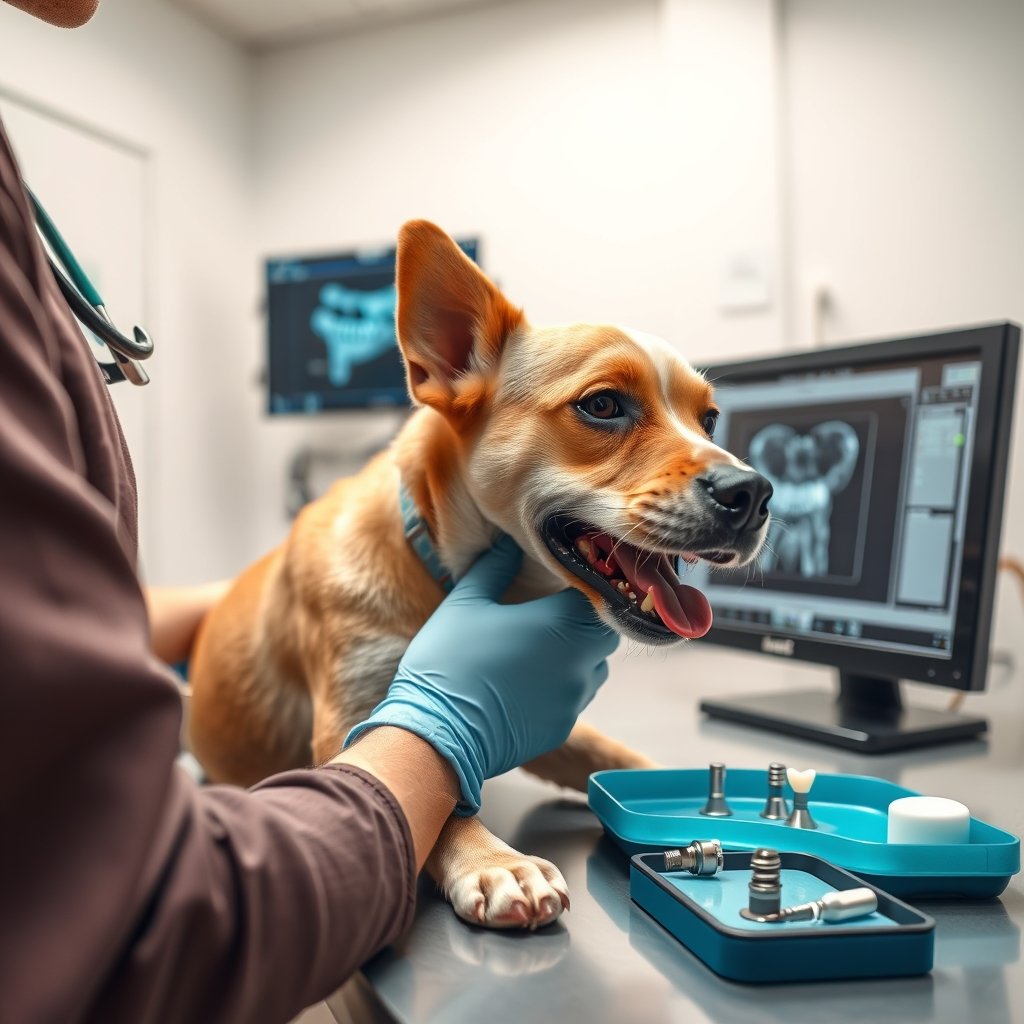
Costs: Prices for a single dental implant in dogs typically range from $1,000 to $4,000 per tooth, depending on the procedure and your location. These figures may not include imaging, blood work, anesthesia, or post-op care. For a detailed breakdown, see this reference.
If you’re concerned about the expense, most pet insurance plans consider these procedures cosmetic—and they are rarely reimbursed. Find more practical health tips at can dogs drink pepto bismol and can dogs drink cow milk.
Risks, Complications, and Pitfalls of Canine False Teeth
Unfortunately, real-world outcomes of prosthetic teeth in dogs are less promising than in people. Common pitfalls and medical issues include:
- High Failure Rates in Large Dogs: Clinical studies show post-and-core techniques often fail within weeks or months due to jaw stress and chewing habits. Study reference
- Vertical Fracture and Crown Loss: Most large dog implants fail due to fracture of the remaining tooth structure or loss of the crown.
- Infection and Rejection: Surgical sites are prone to infection or inflammation, making careful post-op hygiene essential.
- Cosmetic but Not Life-Changing: The veterinary consensus states that functional improvement is minimal and not worth the risk for most dogs. Source
- Unexpected Costs: Owners may not realize the cost can multiply if complications require implant removal or further surgeries.
| Factor | Dog Dental Implants | Human Dental Implants |
|---|---|---|
| Success Rate | High for small breeds (single case, 22 months), very low for large breeds (failure in 3-6 months) | 90%+ over several years |
| Cost | $1,000–$4,000 per tooth (not usually covered by insurance) | Typically $3,000–$5,000 per tooth (sometimes insured) |
| Medically Necessary? | Rarely | Often (for chewing, speech, cosmetic reasons) |
| Routine Practice? | No (very rare, few dentists offer it) | Yes (very common) |
| Common Issues | Implant failure, infection, fracture, cost | Minor infection, rare failure |
Compassionate alternatives—like accepting some tooth loss and focusing on preventative dental care—are safer and more affordable. For more ways to naturally support oral health, check options in our can dogs eat honeycrisp apples guide.

Conclusion
Dog owners often ask, can dogs get false teeth, but in reality, dental implants or prosthetics are rarely needed—and almost never recommended. Most dogs adapt well to missing teeth, and attempting replacements carries significant risks and expense. Always consult a specialized veterinary dentist and consider simpler, lower-risk alternatives before considering dog dental implants.
Ready to protect your dog’s oral health? Review your pet’s needs, speak with experts, and read more on holistic approaches to canine wellness like can dogs eat teriyaki beef jerky or explore our full list of dental FAQs.
Frequently Asked Questions
Can dogs wear dentures or removable false teeth?
No. Dentures and removable false teeth are not available or practical for dogs. Their jaw motion and chewing style make removable options unsafe and ineffective. For more on this topic, see can dogs get dentures.
Is a missing tooth painful for my dog?
Usually not, once the gum heals. Most dogs adjust quickly, can eat normally, and rarely show signs of discomfort long-term.
How much does a dog dental implant cost?
Costs range from $1,000 to $4,000 per tooth, plus possible examination, imaging, anesthesia, and follow-up. Details here.
Are dental implants for dogs covered by insurance?
No. Most pet insurance plans view dental implants as cosmetic. Always check your policy before budgeting for surgery. Reference.
Which types of dogs are best suited for dental implants?
Rare exceptions exist: police, military, or working dogs may be considered if key teeth are lost. Implants seem more feasible for small breeds, but failure rates remain high for large breeds. Discuss suitability with a specialist.
—