


### Blog Post:
Can dogs get rotavirus? Many dog owners worry about viral causes of dog diarrhea yet may not realize rotavirus can affect dogs as well as humans. If you want direct, up-to-date information about rotavirus in dogs—whether it’s a real threat, how it compares to other viruses, and how to spot or handle it—this article gives you clear scientific facts and realistic, actionable steps.
Key Takeaways
- Rotavirus can infect dogs, but it usually causes only mild or subclinical diarrhea—most severe risk is in puppies under 3 months old or immunocompromised dogs.
- Diagnosis uses PCR and fecal antigen tests in veterinary settings; most dogs recover fully with basic supportive care.
- Rotavirus is less common and less severe than parvovirus, but coinfections can worsen symptoms—know when to seek veterinary help.
- What Is Canine Rotavirus and Why It Matters
- Step-by-Step Guide: Diagnosis, Care, and Recovery
- Advanced Analysis & Common Pitfalls
- Conclusion
- Frequently Asked Questions
What Is Canine Rotavirus and Why It Matters
Rotavirus is a contagious virus recognized for causing diarrhea in young animals. Yes, dogs can get rotavirus, primarily rotavirus A (RVA). The virus infects the small intestine, damaging cells called enterocytes using toxins like NSP4, which results in poor nutrient absorption and watery diarrhea. Rotavirus often passes unnoticed in adult dogs but is more likely to be symptomatic and risky in puppies.
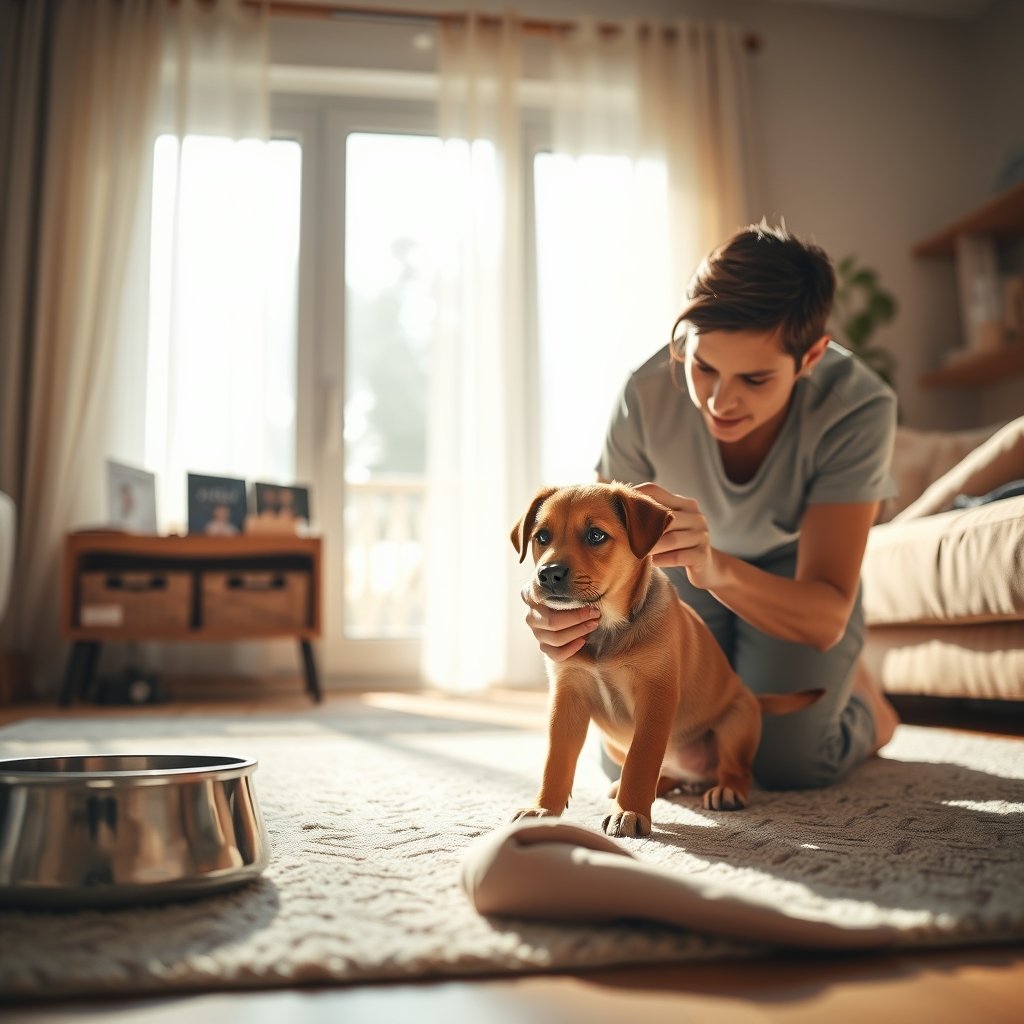
Scientific studies confirm rotavirus infections in dogs worldwide. For example, a 2024 Thai study found 2.75% of tested dogs carried RVA (source), while an Iranian survey reported 16.33% in diarrheic dogs—almost half of affected puppies under 3 months tested positive (source). Unlike parvovirus, which is more common and much more lethal, rotavirus usually causes mild illness, and many cases resolve without special treatment.
The likelihood of catching rotavirus depends on age (puppies are most at risk), immune status, and possible co-infections with more aggressive viruses such as parvovirus or coronavirus. Most dogs—especially healthy adults—either never show symptoms or develop only brief, mild diarrhea. However, attentive care is crucial if you notice illness in very young or sick pets.
For prevention tips on other digestive health concerns, check out Can Dogs Drink Pepto Bismol.
Step-by-Step Guide: Diagnosis, Care, and Recovery
If your dog has diarrhea and you suspect a viral cause, here’s exactly what to do:
- Check for warning signs. Monitor diarrhea frequency, presence of blood, lethargy, appetite loss, or signs of dehydration (dry gums, sunken eyes). Rotavirus usually causes non-bloody, watery diarrhea but not all symptoms are exclusive to one virus.
- Seek veterinary evaluation—especially for puppies, old, or unwell dogs. Only a veterinarian can accurately distinguish rotavirus from other viral or bacterial threats. If diarrhea persists more than 24–36 hours in a puppy or is accompanied by other serious symptoms, schedule a medical visit.
- Testing. Your vet may order a PCR test or fecal antigen detection for rotavirus, alongside tests for parvovirus and coronavirus. PCR is highly specific for RVA and available in many animal hospitals (source). These tests help confirm a diagnosis and identify risky co-infections.
- Supportive Care. As with most mild viral diarrheas, focus on maintaining hydration and nutrition. Provide easy access to fresh water. For dogs reluctant to drink, see Can Dogs Drink Pedialyte: 7 Safe Ways to Rehydrate for safe hydration strategies.
- Diet During Recovery. Feed a bland, easily digestible diet (such as boiled chicken and rice). Avoid treats or table scraps until stools return to normal. If vomiting or severe refuse to eat occurs, update your vet immediately.
- Prevent the Spread. Although rotavirus can infect other susceptible puppies or immunocompromised dogs, the risk to humans is considered very low (zoonotic transfer not proven). Wash hands after handling stool or cleaning up accidents. Clean contaminated areas with appropriate disinfectants.
- Monitor Recovery. Most rotavirus GI upsets resolve within 2–5 days. If symptoms linger longer or worsen—especially if you notice bloody diarrhea (more typical in parvovirus), or significant weakness—return to your veterinarian for further testing and care.
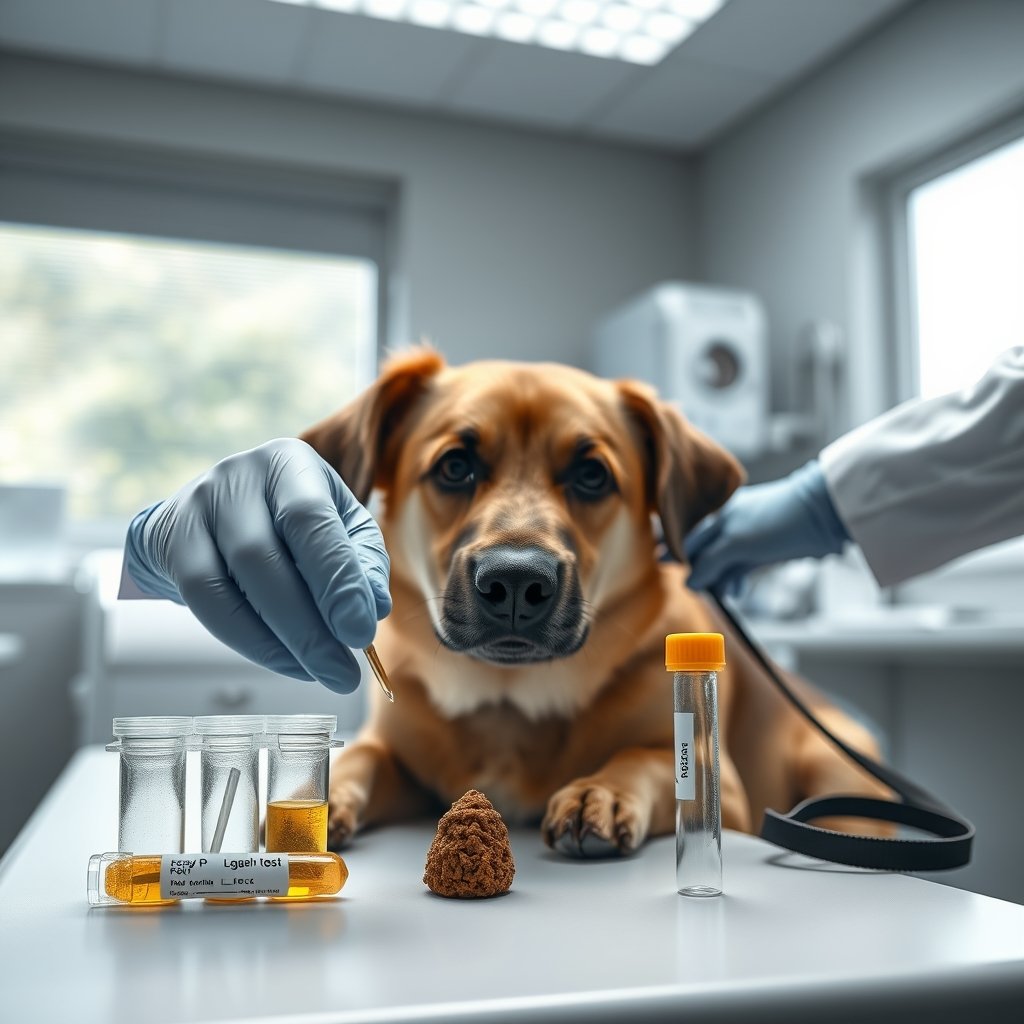
Having a reference for digestive health is handy—learn safe foods and fluids by reviewing Can Dogs Drink Cow Milk: 7 Best Ways to Prevent Digestive Problems, and consider how you manage treats with Can Dogs Eat Honeycrisp Apples.
Advanced Analysis & Common Pitfalls
Even though rotavirus is usually mild, there are important traps for the unwary. Here are the most common mistakes and how to avoid them:
- Assuming all diarrhea is parvovirus or dietary. Mild, brief diarrhea in dogs is often caused by rotavirus or similar agents. Panicking or overtreating can sometimes do more harm than good—a vet diagnosis saves unnecessary worry and expense.
- Missing co-infections. Puppies can have more than one virus at once. Parvovirus and coronavirus are both nastier than rotavirus—co-infection raises fatality risk. Tests can distinguish each virus, so don’t skip professional evaluation for sick, young, or unwell dogs.
- Ignoring dehydration risks. Even mild diarrhea can lead to dehydration, especially in small or very young dogs. If you’re in doubt, offer frequent water and call your vet.
- Assuming adults can’t get or spread it. Over 80% of adult dogs have been exposed to rotavirus (seroprevalence studies), so symptom-free carriers can inadvertently spread it to susceptible puppies.
- Mismanaged home care. Over-the-counter medications like Pepto Bismol can be safe but are not for all dogs. See tips in our safe use guide.
| Virus | Prevalence* (in diarrheic dogs) | Severity | Symptoms | Prognosis | Typical Care Costs† |
|---|---|---|---|---|---|
| Rotavirus | 1.9-16.3% | Mild/subclinical | Non-bloody diarrhea, rare vomiting | Excellent, self-recovering | Low ($–$$, basic supportive care) |
| Parvovirus | >20% | Severe, hemorrhagic, deadly | Bloody diarrhea, vomiting, fever | Poor/fair without intensive support | High ($$$–$$$$, IV fluids/meds/in-hospital care) |
| Coronavirus | Variable | Moderate, variable | Mild-moderate diarrhea, sometimes vomiting | Good unless co-infection | Medium ($$–$$$) |
*Ranges from cited international veterinary studies.
†Indicative only. True costs vary by country and complications.
If you have questions about vector-borne or other contagious canine diseases, see our guide: Can Dogs Get Diseases From Ticks.
Conclusion
Can dogs get rotavirus? Yes—especially puppies, but for most dogs, it’s a mild concern. Rotavirus infection causes mostly mild or even subclinical diarrhea in dogs and is far less dangerous than parvovirus or severe bacterial illnesses. Quick response, basic at-home care, and prompt veterinary advice for high-risk cases ensure the best outcome. Stay alert, act quickly if symptoms become severe, and always double-check any lingering health problems with your veterinary team.
Need more help protecting your dog? Review Can Dogs Get Human Lice or Can Dogs Get Cavities: 7 Best Ways to Improve Oral Health for other common health topics. If you have more questions, consult your vet today or browse our site for dog health and safety guides.
Frequently Asked Questions
Can adult dogs get rotavirus, or is it just a puppy disease?
Adult dogs can catch rotavirus but usually show no symptoms. Most healthy adults are asymptomatic carriers due to previous natural exposure. Puppies under 3 months are the most at risk for illness.
What are the signs of rotavirus in dogs?
Rotavirus most often causes mild, non-bloody watery diarrhea in puppies. Serious signs like bloody stools or significant weakness are uncommon and suggest other viruses or co-infections.
How is rotavirus in dogs diagnosed?
Veterinarians diagnose rotavirus using PCR or antigen tests on fecal samples. These tests are available in many animal hospitals but not as simple at-home kits.
Is there any special treatment for rotavirus in dogs?
No specific antiviral treatment exists. Most dogs recover fully with supportive care: fluids, bland diet, and rest. Hospitalization is needed only for severe dehydration or illness.
Can people catch rotavirus from their dog?
Evidence suggests human risk from canine rotavirus is extremely low. Standard hygiene and hand washing after cleanup are wise, but zoonotic transmission from dogs is not a known threat.
—