


### Blog Post:
Can a dog get rabies if vaccinated? This question worries countless dog owners—and for good reason. Rabies is fatal, and in some countries, it is still a very real threat. Even with vaccination, you want to know exactly how safe your dog really is—what the exceptions are, and if failures ever happen. Here’s the honest answer, based on the latest global research and real veterinary experience.
Key Takeaways
- Rabies vaccination in dogs is extremely effective, but no vaccine is 100% fail-proof in all cases.
- Breakthrough rabies cases in fully vaccinated and boosted dogs are virtually undocumented globally—the risk is extraordinarily low.
- Proper timing, storage, and administration of vaccines are crucial. Skipping boosters or improper handling increases risk.
- What Every Dog Owner Needs To Know
- How To Truly Safeguard Your Dog: Step-by-Step
- Advanced Analysis & Common Pitfalls
- Conclusion
- FAQs
What Every Dog Owner Needs To Know
At its core, rabies vaccination in dogs is highly effective. If you follow recommended schedules and use licensed vaccines, your dog is almost completely protected. Globally, mass dog vaccination campaigns have led to dramatic declines in rabies cases—herd immunity is achieved with just 70% coverage according to CDC. However, no medical intervention is perfect. Owners should understand that while rabies infection in a fully vaccinated, properly boosted dog is incredibly rare, it’s not absolutely impossible.

There are no strong reports of rabies breaking through in dogs with up-to-date vaccinations and proper boosters globally. In areas with consistent vaccination, rabies control is nearly total. On the other hand, cases spike where coverage drops or protocols break down.
Proper dog rabies vaccination does more than just protect your dog—it creates a public safety “buffer” that keeps the whole community safer. For comparison: In Latin America and the Caribbean, dog-mediated rabies dropped to just eight countries by 2016 thanks to dog vaccination campaigns (WHO). Where vaccine access is poor, like parts of Africa and Asia (see this study), rabies is still a major threat.
How To Truly Safeguard Your Dog: Step-by-Step
Here’s the clear, realistic process every owner should follow to get maximum, real-world protection for their dog (and family) from rabies.
- Start with a certified rabies vaccine: Only use vaccines authorized by animal health authorities. Puppy shots start at 12-16 weeks, with the first booster a year later. Never use expired or unlicensed products.
- Stick to the booster schedule: Annual or triennial, depending on the vaccine and your location. Check requirements—some regions (like certain US states or EU countries) require a booster every year, some every three years.
- Storage and handling matter: Make sure your veterinarian stores vaccines as per manufacturer guidelines. Temperature lapses can weaken the vaccine. Ask your clinic about their vaccine storage protocol.
- Watch out for hidden lapses: Missed doses, confusion over shot records, or unknown gaps (especially in adopted or stray dogs) create risk. If in doubt, re-vaccinate and reset the schedule.
- Special considerations for high-risk dogs: Dogs with immune disorders, on high-dose steroids, or in countries with high rabies risk may need extra care. Discuss with your vet if your dog falls into these groups.
- Always get bite wounds checked—even in vaccinated pets: If there’s a bite from a wild animal or unknown dog, see your vet and local authorities for guidance. Rabies post-exposure procedures save lives.
Wondering what else you can safely feed, treat, or try for your dog? Explore resources like can dogs eat Honeycrisp apples and can dogs eat teriyaki beef jerky for more health and safety tips.
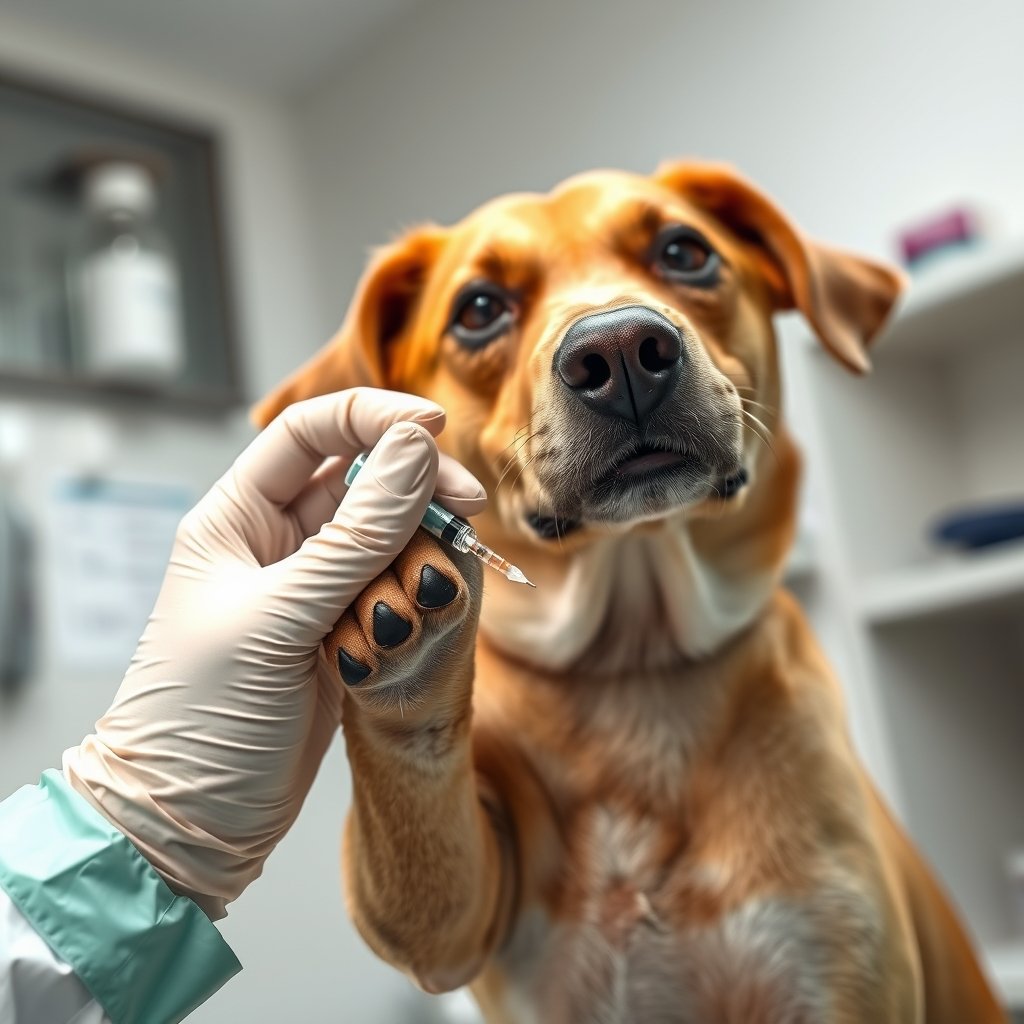
Finally, don’t forget about your own peace of mind. If you live where rabies is a visible risk, you might worry even after vaccinating. Review state or national rabies trends via rabies surveillance resources.
Advanced Analysis & Common Pitfalls
Thanks to modern vaccines, rabies is almost entirely preventable in vaccinated dogs. Yet some real-world missteps can undermine this safety net. Here’s where problems tend to crop up.
| Pitfall | Consequence | How To Avoid It |
|---|---|---|
| Missed or late booster doses | Reduced immunity; legal/board non-compliance; theoretical risk of infection | Set digital reminders and keep records; re-vaccinate when in doubt |
| Improper vaccine storage by vet | Vaccine may lose potency before injection, offering poor protection | Go to reputable clinics; ask about vaccine storage protocols |
| Lack of vaccine uptake in the community | Higher community risk; more exposure opportunities for your dog | Advocate for local mass vaccination; avoid stray-heavy areas |
| Immunosuppressed dogs (illness or medication) | Potentially weaker or short-lived vaccine response | Consult your veterinarian about alternatives/boosters |
| Non-certified vaccines, expired products, or counterfeit doses | No or minimal protection | Request vaccine lot and batch details; research sources |
Competitor articles sometimes skip over these practical issues. There is also no evidence in major studies of breakthrough rabies infection in fully vaccinated, boostered, and healthy dogs (reference). Instead, failures almost always trace back to a missed booster, improper storage, or vaccine gaps.
For more on canine health decisions you might encounter, check out guides like can dogs drink Pepto Bismol and can dogs eat Honeycrisp apples.
Conclusion
If you follow the rabies vaccine protocol, keep up with boosters, and use a trusted veterinary clinic, your dog’s chance of contracting rabies drops to nearly zero. Major global research confirms that rabies in vaccinated and boostered dogs is so rare that it is virtually undocumented. However, no system is absolutely perfect—missing a dose or using mishandled vaccines reopens the risk. When in doubt, ask your vet, keep great records, and encourage other owners in your area to vaccinate, too.
Want to learn about other health safeguards for your dog? Explore can a dog get a vasectomy for more proven guides. Remember: can a dog get rabies if vaccinated? Properly managed, the risk is lower than almost any other serious infectious threat to your dog. Keep your appointments, ask questions, and ensure full compliance—your dog depends on it.
FAQs
Can a vaccinated dog still get rabies?
It is theoretically possible, but practically nearly unheard of. If your dog is properly vaccinated and boosted, current evidence shows the rabies vaccine works extremely well. Actual documented cases of rabies in such dogs are virtually nonexistent.
What if I miss my dog’s rabies booster shot?
Missing a booster weakens your dog’s immunity and can make vaccination records legally void. Schedule a new appointment as soon as possible. In most cases, restarting the vaccination protocol is recommended by your veterinarian.
Are there any signs the rabies vaccine in my dog did not “take”?
There are no immediate outward signs. However, if your dog has a weakened immune system, was sick at the time of vaccination, or if the vaccine was stored improperly, talk to your vet about an antibody test or revaccination.
Is the rabies vaccine 100% effective in all dogs?
No vaccine is truly 100% effective in every single case, but the rabies vaccine is extremely close. The key is to follow schedule, dose, and storage guidelines carefully.
Do all countries require the same rabies vaccine schedule for dogs?
No, vaccination schedules vary. Some regions (like the U.S.) require boosters every one to three years, while in developing countries, access and requirements vary widely. Consult your local authorities or veterinarian for up-to-date laws.
—