


Can dogs get cavities? This is a question many dog owners ask when they see their pets chewing differently or experiencing bad breath. Let’s dive into the science of dog tooth decay, why cavities are rare in dogs, and what that means for your pet’s dental care.
Key Takeaways
- Dog dental cavities (true caries) are rare, affecting about 3 to 5 percent of all dogs.
- Periodontal disease, not cavities, is the dominant oral health problem in dogs—owners often mistake the two.
- Consistent dental care is key to prevention, especially for small breeds with higher risk.
- What Are Dog Dental Cavities and Why Are They Rare?
- How to Prevent Dog Cavities and Maintain Oral Health
- Advanced Insights and Common Mistakes in Dog Dental Health
- Conclusion
- Frequently Asked Questions
What Are Dog Dental Cavities and Why Are They Rare?
Cavities in dogs, also called “true caries,” are much less common than in people. Only about 3 to 5 percent of dogs are diagnosed with cavities, compared to very high rates of tooth decay in humans. Why? It comes down to biology, diet, and lifestyle. Dogs do not eat high-sugar or acidic foods as often as humans do. Their cone-shaped teeth offer more space between each tooth, making it harder for food particles and bacteria to stick and cause decay.

Still, dogs are not immune. Some studies show higher rates of decayed teeth in stray dogs (up to 18 percent) and in certain small breeds (as much as 31.5 percent among those with pre-existing dental pathology). While these numbers sound concerning, they are exceptions more than the rule. Most dental problems in dogs are caused by periodontal disease—gum disease—rather than cavities. This means inflammation, infection, and loss of tooth attachment, which can be much harder to spot for dog owners but is far more prevalent.
Dog owners often mistake the signs of gum disease for cavities or assume their pet is fine simply because they don’t see obvious problems. In reality, by age three, over 80 percent of dogs show signs of periodontal disease, which underscores the importance of regular dental care and awareness.
The mistaken belief that dogs get cavities like humans is widespread but inaccurate. Most dog breeds—especially those fed a balanced, quality diet and given dental care—are at low risk for cavities. However, genetics, frequent feeding of table scraps, and poor dental hygiene can significantly raise risk, especially in breeds like Chihuahuas, Yorkshire Terriers, and Dachshunds.
How to Prevent Dog Cavities and Maintain Oral Health
Preventing cavities and other dental issues in dogs is a straightforward process with a few important steps. Here’s a practical guide to help you protect your dog’s teeth long-term:
-
Routine Home Inspection:
- Lift your dog’s lips and inspect for discoloration, tartar buildup, bad breath, or bleeding gums. Look out for signs like halitosis (bad breath), which over 47 percent of owners notice, though it is often underreported.
- Do this once a week. If your dog resists, start by simply touching their muzzle, then gradually progress.
-
Brush Your Dog’s Teeth Regularly:
- Veterinarians recommend daily brushing, but even two to three times a week significantly reduces risk. Use canine-safe toothpaste—never human toothpaste—and a brush suited for your dog’s size.
- Pair brushing with positive reinforcement: treats, praise, or brief play.
-
Choose Dental-Friendly Diets:
- Feed high-quality kibble or food marked for dental health. Limit table scraps, especially sticky or sugary foods. Avoid foods like teriyaki beef jerky, which can be harmful for multiple reasons—learn more at can dogs eat teriyaki beef jerky.
- Incorporate safe, crunchy snacks like can dogs eat honeycrisp apples to help reduce plaque buildup as a treat—just remember to remove seeds and core.
-
Schedule Regular Veterinary Exams:
- Even with home care, professional veterinary dental checks are needed at least once a year.
- Anesthesia may be necessary for thorough cleanings, especially if calculus is detected or oral disease is advanced.
-
Monitor High-Risk Dogs:
- Small breeds or older dogs need even more diligent care. Breeds like Chihuahuas, Pugs, and Yorkshire Terriers statistically show higher rates of tooth decay if dental disease is present.
- Talk to your vet about specific prevention strategies if you own these breeds. Some may benefit from more frequent professional cleanings.
-
Avoid Harmful Chew Toys and Treats:
- Hard bones or synthetic chews can cause tooth fractures. Stick to vet-approved dental chews or softer rubber toys.
- Always supervise chewing to avoid oral injuries or tooth damage.
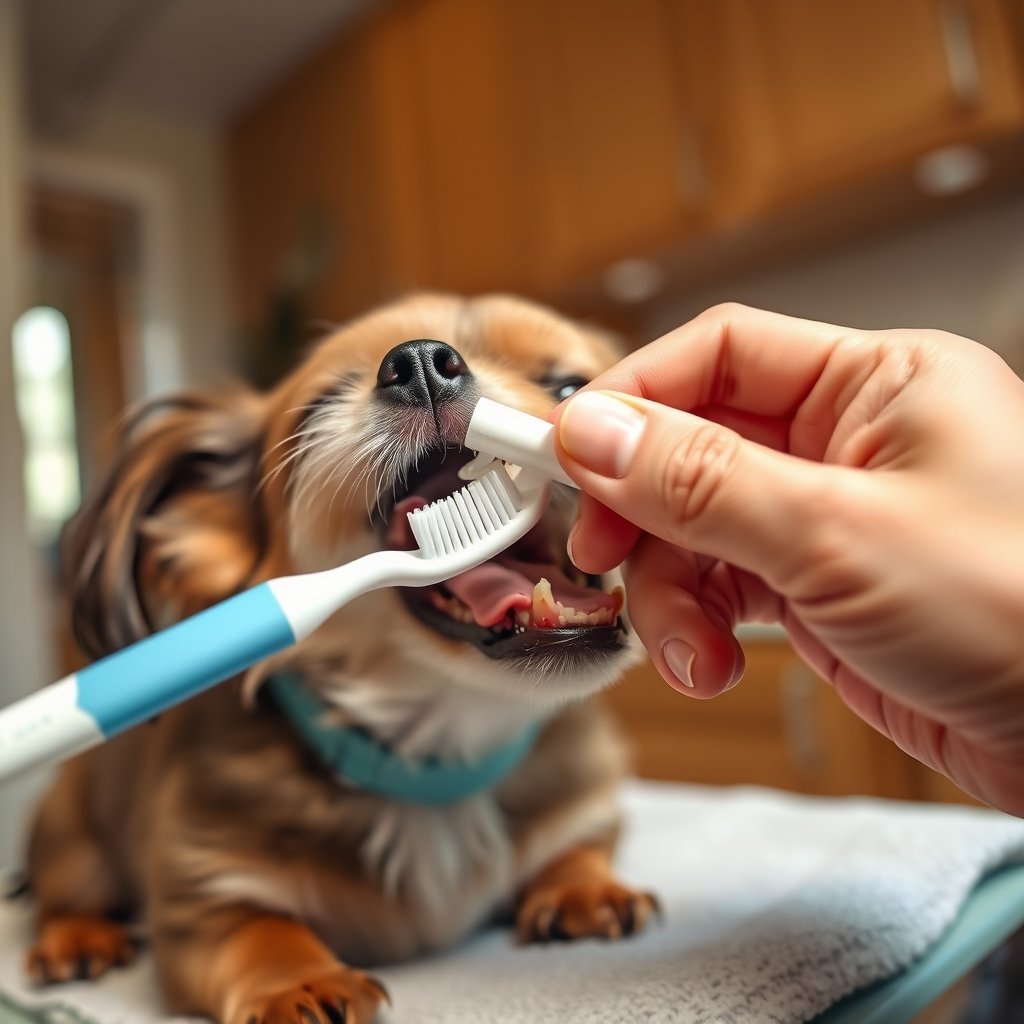
No single home dental product has been clinically proven to prevent cavities exclusively in dogs, but brushing and professional care do reduce risk for all oral diseases. The best dental health plan is always a combination of at-home care, veterinary checks, and a good diet.
If you need to supplement with other foods, always research first—see can dogs eat fava beans or can dogs eat guar gum for safe options.
If your dog experiences stomach upset from dental treats, you can learn about relief at can dogs drink pepto bismol.
Advanced Insights and Common Mistakes in Dog Dental Health
Even well-meaning owners can fall into common traps when it comes to dog oral health. Here’s what research shows are the biggest pitfalls:
- Confusing Cavities with Periodontal Disease: Most dog dental issues are due to gum disease (periodontitis, gingivitis, etc.), not cavities. Over 80 percent of adult dogs develop periodontal disease, yet treatment and prevention are often overlooked because owners expect to see holes or dark spots like in human caries.
- Breed Risks Are Ignored or Understated: Many owners do not realize that certain small breeds have disproportionately high risk for dental caries, especially if they already have dental pathology. This risk can rise to over 30 percent in affected breeds, compared to about 5 percent in most dogs.
- Low Inspection and Cleaning Rates: Owners rarely inspect their dog’s teeth, and many miss subtle signs like bad breath (noted by only 47 percent, though prevalence is higher). Professional cleanings are infrequent, with only a minority reporting anesthesia for dental care.
- Assuming Diet Alone Prevents Problems: While a low-sugar, low-acid diet does help, genetics and anatomy play a role. Even with a perfect diet, some dogs will be more prone to decay.
- No Specific Product Prevention: Despite the marketing, there is no clinically proven chew or dental product solely to prevent cavities in dogs—general dental hygiene is your best defense.
| Issue | Dogs | Humans |
|---|---|---|
| Cavities (Caries) Rate | 3–5% (most breeds) | Very High (typically above 90% in adults) |
| Periodontal Disease Rate | 80%+ in dogs over 3 years | ~47% in adults (varies by access to care) |
| Main Risk Factors | Breed, diet, lack of cleaning | Sugar intake, poor brushing |
| Prevention | Routine home/vet care, diet | Brushing, dental care, limiting sugar |
If left untreated, dog cavities can progress rapidly to periodontal disease, mobile teeth, gingival recession, even fractures—especially in stray populations or neglected breeds. Treatment often requires expensive procedures under anesthesia, extraction, and antibiotics.
For a broader look at preventing infection and oral health risks, especially those that may require urgent care, see our guide on can dogs drink pedialyte.

Conclusion
Most dog owners want what’s best for their dogs, yet few realize how uncommon true cavities are compared to gum disease. The focus should be on regular inspections, proper dental hygiene, and professional checkups. If you’re still asking, “can dogs get cavities?”—the answer is yes, but it’s rare. Keep up with your dog’s oral health, address problems early, and you can greatly reduce all types of dental disease. Don’t wait for signs of pain—start inspecting, brushing, and checking today.
Curious about more ways to keep your dog healthy? Explore other nutrition and health questions such as can dogs eat enoki mushrooms or behavioral topics like can a dog get a vasectomy on our site.
Frequently Asked Questions
How rare are cavities in dogs compared to humans?
Cavities in dogs are rare, usually affecting just 3 to 5 percent of all dogs. In humans, tooth decay is much more common due to high sugar diets and different tooth shapes. The chances of a dog developing a cavity are much lower than for a person.
What’s the main dental problem in dogs if not cavities?
The primary dental issue in dogs is periodontal disease—problems with the gums and structures supporting the teeth. Over 80 percent of dogs over age three show some signs of it, making it far more common than cavities.
Are certain dog breeds more prone to cavities?
Yes. Small breeds like Yorkshire Terriers, Chihuahuas, Pugs, and Dachshunds are more likely to develop cavities if they also have dental disease. Genetics, age, and jaw structure all contribute to this increased risk.
What’s the best way to prevent dog dental cavities?
Consistent brushing with a dog-safe toothbrush and toothpaste, regular vet checkups, a quality diet, and monitoring high-risk breeds offer the best prevention. No chew or treat can substitute for routine dental care.
What happens if you leave a dog’s cavity untreated?
An untreated cavity can lead to serious dental disease, including oral infections, tooth mobility, gum recession, pain, and even tooth loss. Advanced cases may need surgical extraction and antibiotics under anesthesia.