


### Blog Post:
Can dogs get rabies if they are vaccinated? This is a practical concern for every responsible dog owner, especially if you live in a rabies-endemic area or take your dog out frequently. This guide covers the real-world risks, what science says, and clear steps to keep your dog—and your family—protected.
Key Takeaways
- Breakthrough rabies in vaccinated dogs is extremely rare, but can happen if vaccination coverage or timing is inadequate.
- No cases of rabies transmission from properly vaccinated dogs to humans have been documented.
- Best protection comes from keeping up with boosters and understanding local rabies risks and laws.
- Understanding Rabies in Vaccinated Dogs
- Step-by-Step: How to Keep Vaccinated Dogs Safe from Rabies
- Advanced Analysis & Common Pitfalls
- Conclusion
- FAQ
Understanding Rabies in Vaccinated Dogs
Rabies is a deadly viral disease that primarily affects mammals, including dogs and humans. Vaccination is considered the main line of defense. You might wonder—can a dog still get rabies if they are vaccinated? The answer, backed by global research, is that while the rabies vaccine offers robust protection, no vaccine guarantees 100% immunity.
Breakthrough cases—where a vaccinated dog gets rabies—are extremely rare and usually linked to insufficient vaccine coverage or improper administration. The most serious risks persist where mass vaccination rates are low (less than 70%) or in areas with poor dog population control. According to data analyzed by the CDC and WHO, virtually all cases in people worldwide are caused by bites from unvaccinated, free-roaming dogs in Africa and Asia (CDC Rabies Around the World, WHO Rabies Data).
If you’re concerned about other household risks, you may also be interested in these guides: Can dogs eat honeycrisp apples and Can dogs drink Pedialyte.
Step-by-Step: How to Keep Vaccinated Dogs Safe from Rabies
To minimize any risk, even in vaccinated dogs, you’ll want to combine solid science with everyday prevention. Let’s break it down:
- Check your dog’s rabies vaccination schedule. In most regions, boosters are required every 1 to 3 years. Even if your state has relaxed timelines, don’t delay. There’s no global harmonization, so ask your vet for local rules.
- Keep vaccination records accessible. Some regions require proof of vaccination for pet licensing, travel, or if your dog bites someone.
- Limit interactions with stray or wild animals. Even if your dog is vaccinated, you don’t want to risk exposure to rabid animals.
- Supervise outdoor play, especially in rural areas. Keep your dog leashed or fenced when possible.
- Monitor your dog for symptoms after a bite or exposure. Signs like excess drooling, behavioral changes, or sudden paralysis warrant immediate veterinary attention.
- Consult your veterinarian after any risky exposure. A dog that’s bitten by a wild animal may need an extra rabies booster, even if vaccinated.
- Encourage neighbors to vaccinate their dogs. Herd immunity (community protection) is only possible at high vaccination rates. Outbreaks occur when coverage drops below about 70% (research report).
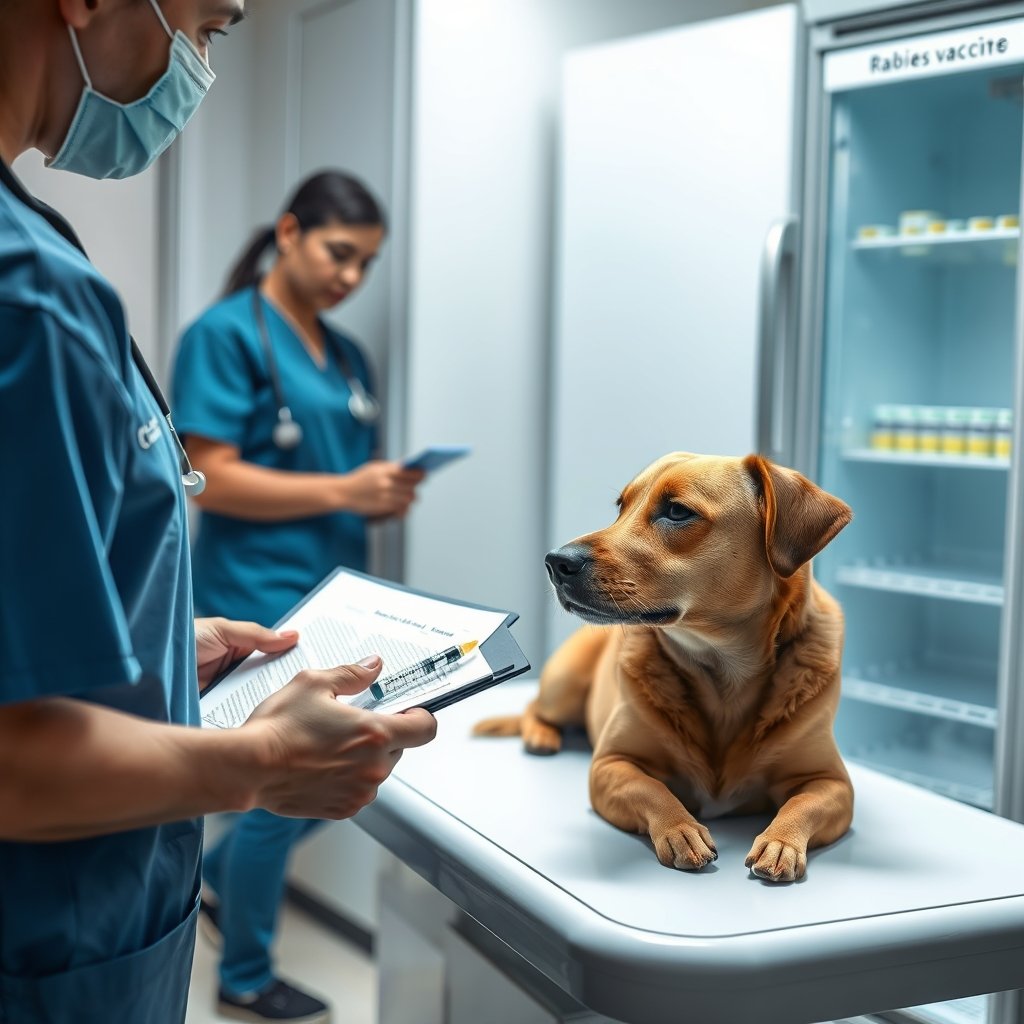
While breakthrough cases are rare, there is no data suggesting long-term failures or widespread complaints about rabies vaccines in dogs (PMC Research). Still, missing a booster, assuming one shot provides lifetime immunity, or living near many unvaccinated dogs raises risk dramatically.
If you’re exploring other ways to keep your pet healthy, check out can dogs drink cow milk and can dogs get cavities for related tips on canine wellness.
Advanced Analysis & Common Pitfalls
Despite strong scientific consensus, real-world gaps make rabies a threat in many areas. The most common pitfalls involve:
- Missed boosters: Dogs that miss recommended rabies vaccine boosters may lose protection.
- Vaccine logistics: In lower-income regions, supply gaps and lack of awareness lead to outbreaks, even after some vaccination campaigns.
- Non-restricted stray populations: Areas with uncontrolled dog populations see more rabies transmission despite localized vaccination efforts.
- No duration-of-immunity guarantee: Data on how long each rabies vaccine brand lasts in dogs is lacking; generally, boosters every 1-3 years are advised.
- Legal confusion: Laws and intervals for revaccination vary by region and aren’t always aligned with the latest research (WHO Data).
| Scenario | Risk Level | Action |
|---|---|---|
| Dog misses booster shot | HIGH | Consult vet; restart vaccination schedule if overdue |
| Exposure to rabid animal, vaccinated dog | LOW to MODERATE | See vet promptly; may need supplementary booster |
| Living in rabies-free, high-coverage country | VERY LOW | Maintain boosters; minimal daily risk |
| Living in high-incidence, low-vaccine region | HIGH | Strictly avoid stray animals; keep up with vaccines |
If your dog is bitten or exposed to a potentially rabid animal—even after vaccination—immediately contact your veterinarian. Protocols may require an extra booster and a quarantine period.
For a deeper look at cross-species risks, see can a human get rabies from a vaccinated dog. If you’re wondering about longer-term behavior, visit can a dog get a vasectomy for additional preventive health insights.
Conclusion
Vaccination is highly effective against rabies, but it is not an absolute shield. Staying alert, keeping up with boosters, and knowing your regional risks are your best bets. No evidence suggests a properly vaccinated dog will transmit rabies to humans, but missed boosters or exposure to unvaccinated populations increase risk. Protect your pet and community—keep the can dogs get rabies if they are vaccinated question on your checklist during every vet visit. Need more actionable dog health insights? Explore our latest guides, or book a consult with your veterinarian to review your dog’s preventative care plan.
FAQ
Can a dog still get rabies after being vaccinated?
It is extremely rare, but not impossible. Breakthrough cases are almost always due to missed boosters, improper vaccine handling, or high exposure in rabies-endemic regions. Keeping up to date with your dog’s shots keeps risk as close to zero as possible.
How often does my dog need a rabies booster?
Most regions require boosters every 1 to 3 years. Some areas have different rules, but veterinarians generally advise staying within the tighter window. Ask your vet for your specific locality’s guidelines.
What should I do if my vaccinated dog is bitten by a wild animal?
See your veterinarian immediately. Even if vaccinated, your dog may need an extra booster, and your vet may recommend observation for a set period according to local laws.
Is there any risk to humans from vaccinated dogs?
No verified cases of rabies transmission from vaccinated dogs to humans have been reported in scientific literature. Maintaining your dog’s vaccination schedule and avoiding interaction with strays further minimizes any risk.
Are there side effects to the rabies vaccine in dogs?
Reports of significant adverse reactions are extremely rare. Minor reactions like soreness or lethargy can occur but typically resolve quickly. Speak to your vet if you have concerns about your dog’s reaction to vaccines.