


### Blog Post:
Can a human get rabies from a vaccinated dog is a question every dog owner and bite victim wants answered clearly and honestly. Rabies is a deadly virus, and even with extensive dog vaccination programs, concerns and confusion remain after a bite. Here’s exactly what the science, medicine, and veterinary guidance say about realistic risks, plus step-by-step actions if you’re ever in this situation.
Key Takeaways
- It is extremely rare but not impossible for a human to get rabies from a vaccinated dog—no confirmed cases are documented, but vaccine failure can rarely occur.
- Official medical and veterinary guidance always treats all dog bites as potential rabies exposures, recommending observation and sometimes post-exposure prophylaxis (PEP) even if the dog is vaccinated.
- Misunderstandings about rabies symptoms, vaccine effectiveness, and safe protocols after bites are common; following proper steps matters for safety.
- Understanding Human Rabies Risk from Vaccinated Dogs
- What To Do If Bitten By A Vaccinated Dog
- Risks, Myths, and Common Pitfalls Analyzed
- Conclusion: How Real Is the Risk?
- FAQs on Rabies and Vaccinated Dogs
Understanding Human Rabies Risk from Vaccinated Dogs
Rabies is a fatal viral disease carried by mammals and almost always transmitted through an infected animal’s bite or scratch. While dog vaccinations are highly effective at preventing rabies—reducing both dog and human cases globally—the risk isn’t zero. Experts emphasize that no vaccine is 100% effective, so public health protocols still treat dog bites very seriously, even from vaccinated pets.

According to major veterinary and epidemiological sources, there are no confirmed human rabies cases from properly vaccinated dogs. Still, rare vaccine failures and missed boosters can happen, plus dogs occasionally shed the virus before symptoms appear. That’s why even vaccinated dogs are subject to a 10-day quarantine after biting someone, to watch for rabies symptoms. For a deeper look at dog immunity and rabies control, see the World Health Organization factsheet.
Vaccination programs are so effective that rabies cases linked to bites from household dogs are now a global rarity, but concern persists—especially where wildlife or stray animal exposure may occur, or vaccination coverage isn’t complete. If you’re interested, you might also explore can a dog get rabies if vaccinated for additional insight on vaccine reliability.
What To Do If Bitten By A Vaccinated Dog
If you’re bitten or scratched by a vaccinated dog, here’s exactly what to do—regardless of how healthy or friendly the animal seems:
- Immediately wash the wound: Rinse with soap and water for at least 15 minutes. This simple step can dramatically reduce the viral load if rabies is present. Use clean running water—avoid scrubbing harshly.
- Seek medical advice right away: Even minor bites warrant prompt attention. A healthcare provider will assess the bite and may recommend post-exposure prophylaxis (PEP) depending on the risk assessment.
- Confirm the dog’s vaccination status: Get the dog’s vaccine records, owner’s contact, and details of its last booster. Note when and where the rabies shot was given. (Missed boosters increase theoretical risk.)
- Ensure a 10-day quarantine: The CDC and all veterinary authorities require that any biting dog—vaccinated or not—be strictly observed for 10 days for symptoms of rabies, ideally under veterinary supervision. For more, refer to the CDC rabies protocols.
- Monitor for red-flag symptoms: In dogs, early rabies signs can be sudden behavioral changes, drooling, loss of coordination, or unusual aggression. In humans, any flu-like symptoms after a bite require urgent care.
- Complete your follow-up: Return to your doctor for any recommended shots or monitoring. If the dog develops symptoms in quarantine, alert health authorities instantly.
Want to learn about other dog health situations and what to do? Explore articles such as can dogs drink Pepto Bismol for more practical guidance.
For special dietary advice, see can dogs eat enoki mushrooms and can dogs eat fava beans.
Risks, Myths, and Common Pitfalls Analyzed
Many people underestimate or misunderstand rabies protocols after a dog bite, especially with a vaccinated animal. Here are real-world pitfalls and research-backed issues:
| Concern | Fact/Reality Check |
|---|---|
| “Vaccinated dogs can’t transmit rabies.” | No vaccine is perfect; although highly unlikely, failure can rarely occur, especially if boosters are missed. [source] |
| “No need for medical attention after a bite from a vaccinated dog.” | Always seek medical help after any bite. Protocols treat all animal bites as potential exposures until the dog is cleared. [source] |
| “Rabies symptoms appear immediately in dogs.” | Rabies can incubate for weeks to months. Dogs can shed the virus up to 10 days before showing symptoms, making quarantine critical. [source] |
| “Duration of immunity is permanent.” | Vaccines require regular boosters. Immunity duration varies, and unintentional lags could reduce protection. [source] |
Critical gaps in popular online articles include:
- Absence of publicized, quantified transmission rates for vaccinated dogs (data is qualitative only).
- No confirmed global case studies describing rabies transmission from adequately vaccinated dogs.
- Lack of detailed info on immunity duration and rare vaccine failure rates.
For more guidance on related dog health situations, you might check can dogs eat teriyaki beef jerky or can a dog get a vasectomy for trusted, stepwise safety guidance.
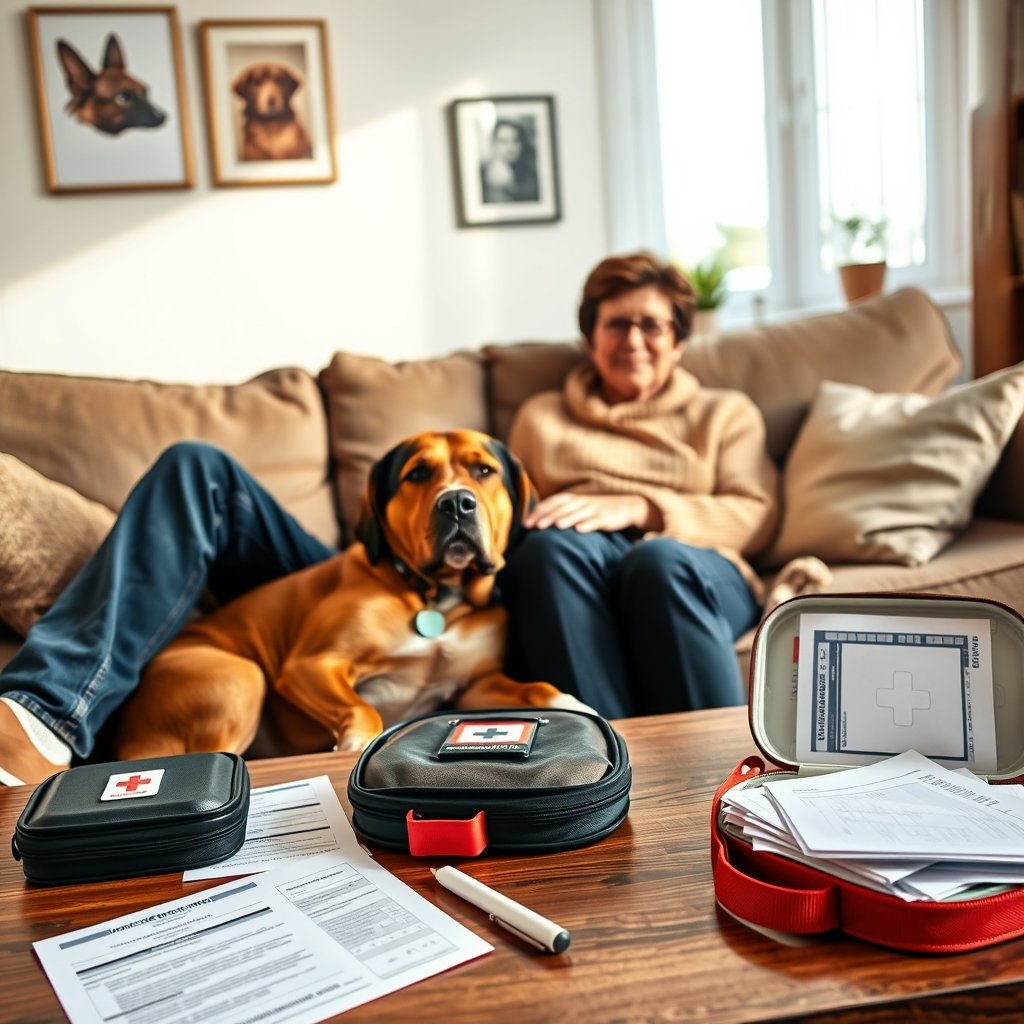
Conclusion: How Real Is the Risk?
The short answer: The risk that can a human get rabies from a vaccinated dog is extremely low but not zero. There are no confirmed cases recorded when vaccines are kept up to date and given properly. However, because vaccine failure is possible, and because rabid dogs shed the virus before showing signs, all bites—vaccinated dog or not—demand medical attention, dog quarantine, and careful observation. Never dismiss a bite or scratch: err on the side of caution for your health.
If you or someone you know experiences a dog bite, contact a healthcare professional and confirm the animal’s vaccination history. Every situation is unique—playing it safe ensures peace of mind.
Want more reliable, practical insights on urgent dog health issues? Explore our guides for evidence-based answers to all your most pressing questions.
FAQs on Rabies and Vaccinated Dogs
Is it possible for a vaccinated dog to have rabies?
It is highly unlikely but not impossible. Current rabies vaccines are extremely effective, but rare failures can occur, especially if boosters aren’t kept up to date or the dog is immunocompromised.
Do I need a rabies shot if bitten by a vaccinated dog?
Medical professionals may recommend post-exposure prophylaxis on a case-by-case basis, particularly if the dog’s vaccination status is uncertain or if quarantine is not possible. Always consult a doctor after any bite.
How long should a vaccinated dog be observed after biting a human?
Authorities recommend a 10-day quarantine in all cases to watch for rabies symptoms, regardless of the dog’s vaccination status.
Are there confirmed cases of humans getting rabies from fully vaccinated dogs?
No verifiable cases are documented in major epidemiological sources. The event is theoretically possible but considered extraordinarily rare.
Does dog vaccination completely prevent rabies?
No vaccine offers absolute protection. Vaccination dramatically reduces risk and is the best preventive strategy, but maintaining up-to-date boosters is essential.
—