


Can dogs eat microgreens? If you’ve wondered whether those tiny greens in your fridge are safe or healthy for your dog, you’re not alone. With microgreens gaining popularity for their supercharged nutrients, many dog parents consider sharing them with their pups. This guide covers everything you need to know before adding microgreens to your dog’s bowl—the science, safety concerns, and easy action steps for beginners and pros alike.
Key Takeaways
- Most microgreens are safe and beneficial for dogs in small, occasional amounts, but certain varieties (onion, garlic, chive) are toxic and must always be avoided.
- Microgreens provide nutrients at 40 to 400 times the concentration of mature greens, but they should only supplement—not replace—your dog’s balanced diet.
- No adverse vet case studies exist, but serving size, sourcing, and proper introduction are critical to avoid digestive upset or accidental poisoning.
- What Are Microgreens for Dogs (and Why Use Them)?
- How to Safely Feed Microgreens to Dogs: Step-by-Step Guide
- Advanced Analysis & Common Pitfalls
- Conclusion
- Frequently Asked Questions
What Are Microgreens for Dogs (and Why Use Them)?
Microgreens are the young seedlings of edible vegetables and herbs harvested just after they sprout their first true leaves. Unlike sprouts, microgreens are grown in light and cut above the soil, making them more nutrient dense and less prone to bacterial risks when grown and handled safely. Their appeal for dogs lies in exceptional nutrient concentration, convenience, and digestibility.

According to multiple studies, microgreens contain 40 to 400 times more of certain vitamins and antioxidants by weight than mature greens. Key nutrients include high levels of vitamins E, C, K, minerals like potassium, iron, and magnesium, and antioxidant-rich phytonutrients. Varieties such as broccoli, sunflower, and pea shoots offer specific health advantages—from sulforaphane’s potential cancer-fighting effect to high-quality amino acids and folate.
For many dog owners, another big advantage is how easy microgreens are to mix into food. Their tender texture means they’re readily accepted, even by picky eaters. When fed in moderation as a supplement, microgreens can offer an excellent nutrient boost on top of a quality dog diet. But there are also important safety rules and a few real hazards to know before getting started.
How to Safely Feed Microgreens to Dogs: Step-by-Step Guide
- Choose only safe, non-toxic varieties. Avoid anything from the Allium family—no onion, garlic, or chive microgreens, which are all toxic to dogs (Dial a Vet). Stick to broccoli, alfalfa, radish (mild), sunflower, pea shoots, and similar greens. For details on other vegetables, see our guide on can dogs eat Honeycrisp apples for fruit safety tips.
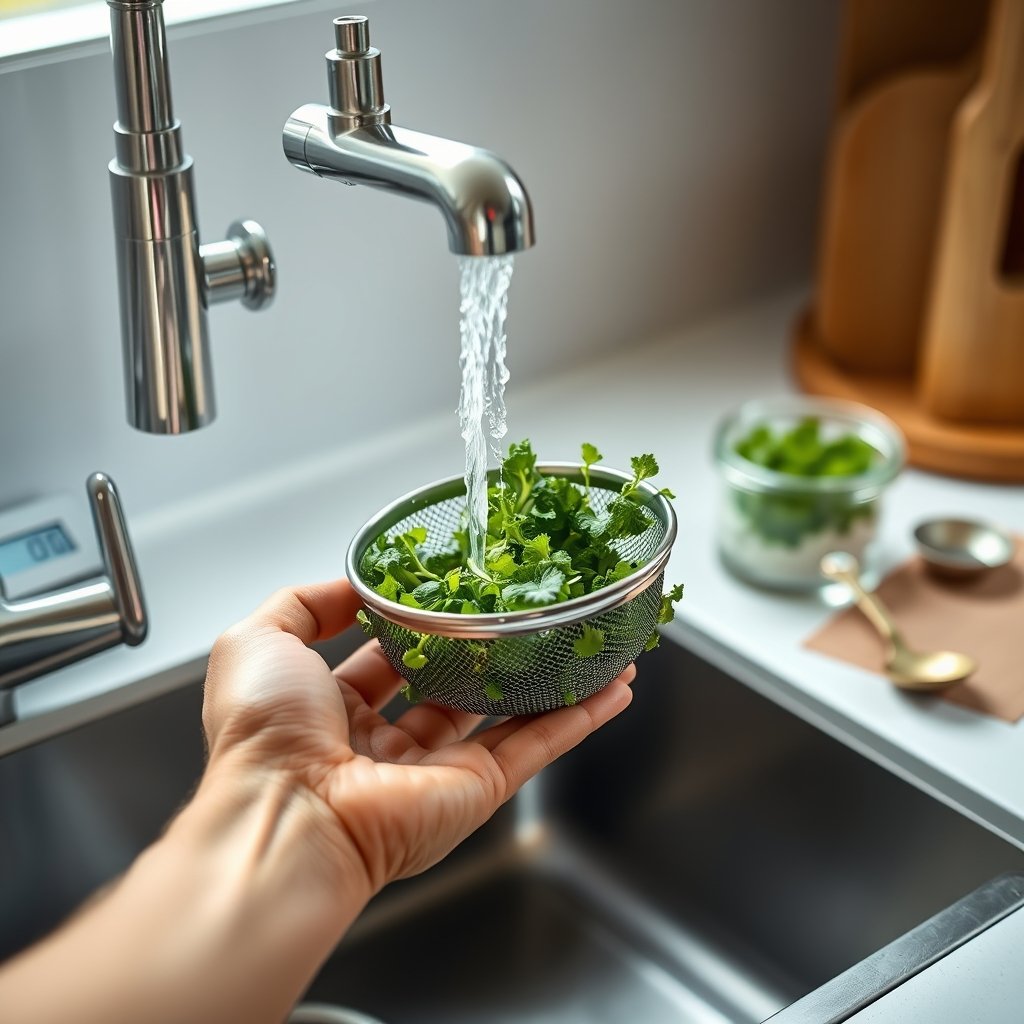
- Purchase or grow microgreens from safe, reliable sources. Whether from the supermarket, home garden, or farmer’s market, ensure all seeds are labeled as edible and grown in a clean, pesticide-free, soil-free environment. Rinse thoroughly under cool, running water to remove dirt or potential residues.
- Introduce new microgreens gradually. Sprinkle a small pinch (about 1/4 teaspoon for small dogs, 1/2 teaspoon for medium, 1 teaspoon for large dogs) on their regular food, 1-2 times per week. Observe your dog over 12-24 hours for any adverse reactions (loose stool, gas, itchiness).
- Stick to appropriate serving sizes. Do not exceed more than 10% of your dog’s daily calories from microgreens. For a 20-pound dog, this works out to just 2-3 teaspoons per week in total. Remember, more is not better—microgreens are highly concentrated in nutrients!
- Monitor and rotate. Track which types your dog tolerates best and rotate between safe varieties. Avoid mixing multiple new greens in the same meal to minimize allergy risks.
- Serve them fresh and raw for maximum nutrients. Unlike some vegetables, microgreens’ nutrients are best preserved raw. However, very delicate stomachs may do better with lightly wilted or steamed microgreens (cooled to room temperature before serving).
- Use as a nutritional topper or training treat. Fold into kibble, top wet meals, or offer as a tiny treat. For more food safety practices, check our advice on can dogs drink Pepto Bismol and can dogs eat enoki mushrooms.
- Always store microgreens refrigerated and use within a week for best safety and freshness.
- If in doubt, consult your veterinarian—especially if your dog is on medication, has a chronic illness, is a senior, or is a puppy. Some nutrients or herbs in microgreens could interact with medications or sensitivities.
- For more guidance on introducing unusual foods, see our article: can dogs eat fava beans.
Advanced Analysis & Common Pitfalls
While microgreens can offer health benefits, mistakes in selection, portioning, and sourcing can create real risk. Being informed can help you avoid the most common user errors reported by vets and dog nutrition experts:
| Pitfall | What Can Go Wrong | How to Avoid |
|---|---|---|
| Choosing toxic microgreen types | Onion, garlic, chive microgreens contain thiosulfates; even a few stems can cause poisoning (vomiting, anemia). | Stick only to safe types: broccoli, sunflower, pea, radish, alfalfa, and avoid all Allium family. |
| Overfeeding | Large servings may cause digestive distress or interfere with absorption of other nutrients. | Keep total servings under 10% of daily calories and serve only a couple of times weekly. |
| Improper storage | Microgreens spoil quickly and can harbor bacteria if left unrefrigerated. | Always store covered in the fridge, use within 5–7 days, and rinse before serving. |
| Bacterial contamination | While research lacks precise numbers, like all fresh greens, microgreens can carry E. coli or Salmonella, especially if grown in unsanitary conditions. | Source from reputable growers, rinse before use, and consider lightly steaming for immune-compromised dogs. |
| Skipping vet advice for special cases | Medications or chronic illnesses may interact unpredictably with rich nutrients or certain phytochemicals in microgreens. | If your dog is on medication or managing disease, ask your vet before adding new foods like microgreens. |
Competitor articles often skip practical guidelines such as actual gram/teaspoon examples by dog size, or guidance on sourcing, preparation (raw or steamed), or detail on potential supplement–medication interactions. If you want dog-specific nutritional context, see our deep dive on can dogs eat eels.
Conclusion
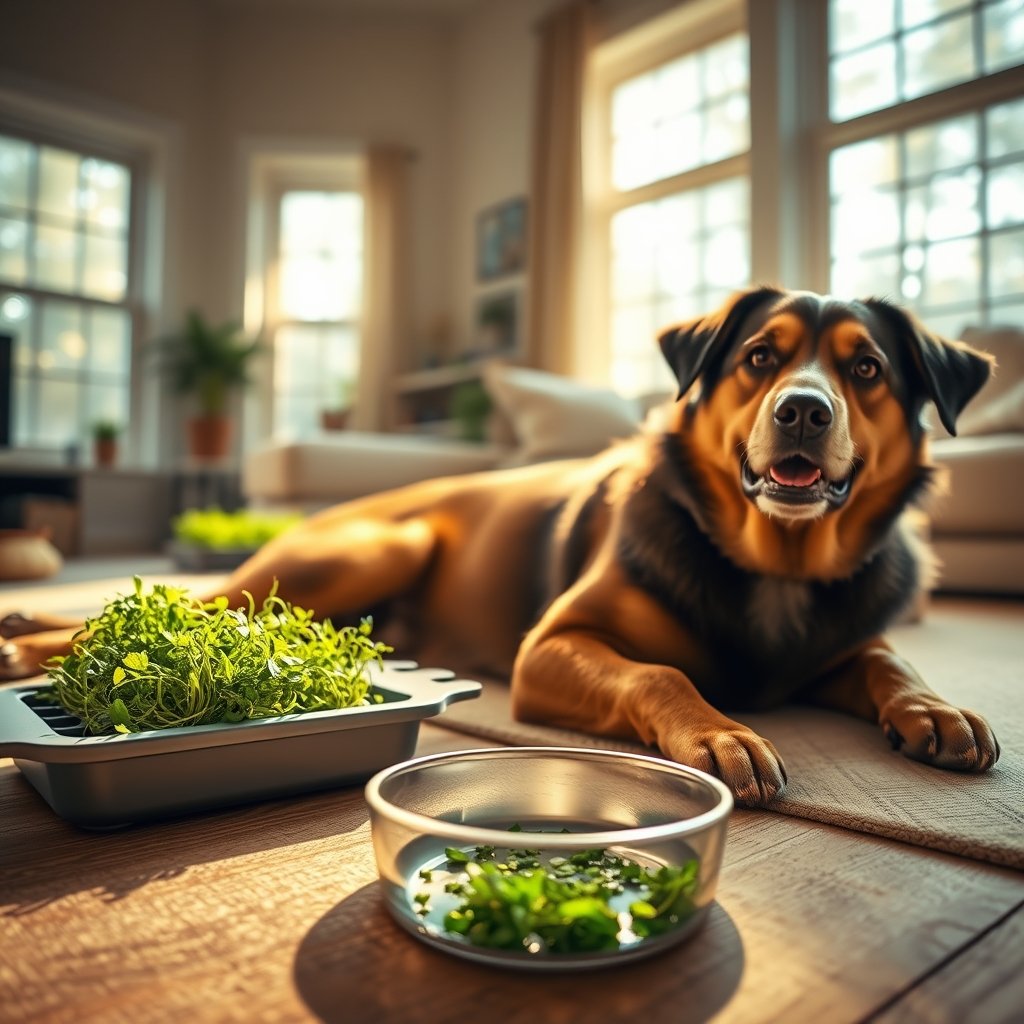
Microgreens offer impressive nutrition in very small servings and are generally safe for most dogs—but only when you choose the right types, introduce them slowly, and serve in moderation. There are no reported veterinary cases of toxicity from safe microgreen types, but toxic varieties and overfeeding remain key risks. When used wisely, and always as a supplement, microgreens can be a healthy, varied topper for many dogs. When in doubt, err on the side of caution—and consult your vet if your dog has unique health conditions. For more science-backed canine nutrition, check out our guides on can dogs drink cranberry juice or can dogs eat watercress.
Ready to boost your dog’s meals? Try microgreens—with the safety tips you’ve learned today, your dog can get the benefits without the risks. Check out our latest guides to keep your dog’s diet safe, varied, and healthy.
Frequently Asked Questions
Are any microgreens toxic for dogs?
Yes, microgreens from the Allium family—onion, garlic, and chive microgreens—are toxic to dogs even in small quantities. Always double-check seed packets and choose only non-toxic varieties like broccoli, sunflower, or pea shoots.
How often can I give my dog microgreens?
Microgreens should only be offered as a supplement a maximum of 2–3 times per week and should never exceed 10% of your dog’s total weekly calories.
Do microgreens need to be cooked before feeding to dogs?
No, most microgreens are safe and most nutritious raw. For dogs with sensitive stomachs or compromised immune systems, lightly steaming (then cooling) may be preferred to reduce bacterial risk.
What are the safest microgreens to start with?
Broccoli, sunflower, pea, radish (mild), alfalfa, and clover microgreens are generally safe, nutrient-dense options. Avoid spicy or strong-flavored microgreens for picky or sensitive dogs.
Can microgreens replace vegetables or dog supplements?
No, microgreens are a rich supplement but cannot replace the macro- and micronutrient profile of a balanced dog diet or vet-formulated supplementation when needed. Use them as a topper, not a replacement.