


### Blog Post:
Can dogs get impetigo from humans? This is one of the most common questions dog owners ask when someone in the family has a skin infection. With so much misinformation online, it’s important to understand what veterinary research actually says about impetigo, zoonotic risks, and protecting both dogs and humans at home.
Key Takeaways
- Current research shows impetigo does not spread between humans and dogs.
- Canine impetigo is a different bacterial strain than human impetigo, with no documented cases of cross-species transmission.
- Good hygiene and awareness of secondary infections remain important for household safety.
- Understanding How Impetigo Works in Dogs and Humans
- How to Safeguard Your Dog from Impetigo Risks
- Deeper Insights & Pitfalls to Avoid
- Conclusion
- Frequently Asked Questions
Understanding How Impetigo Works in Dogs and Humans
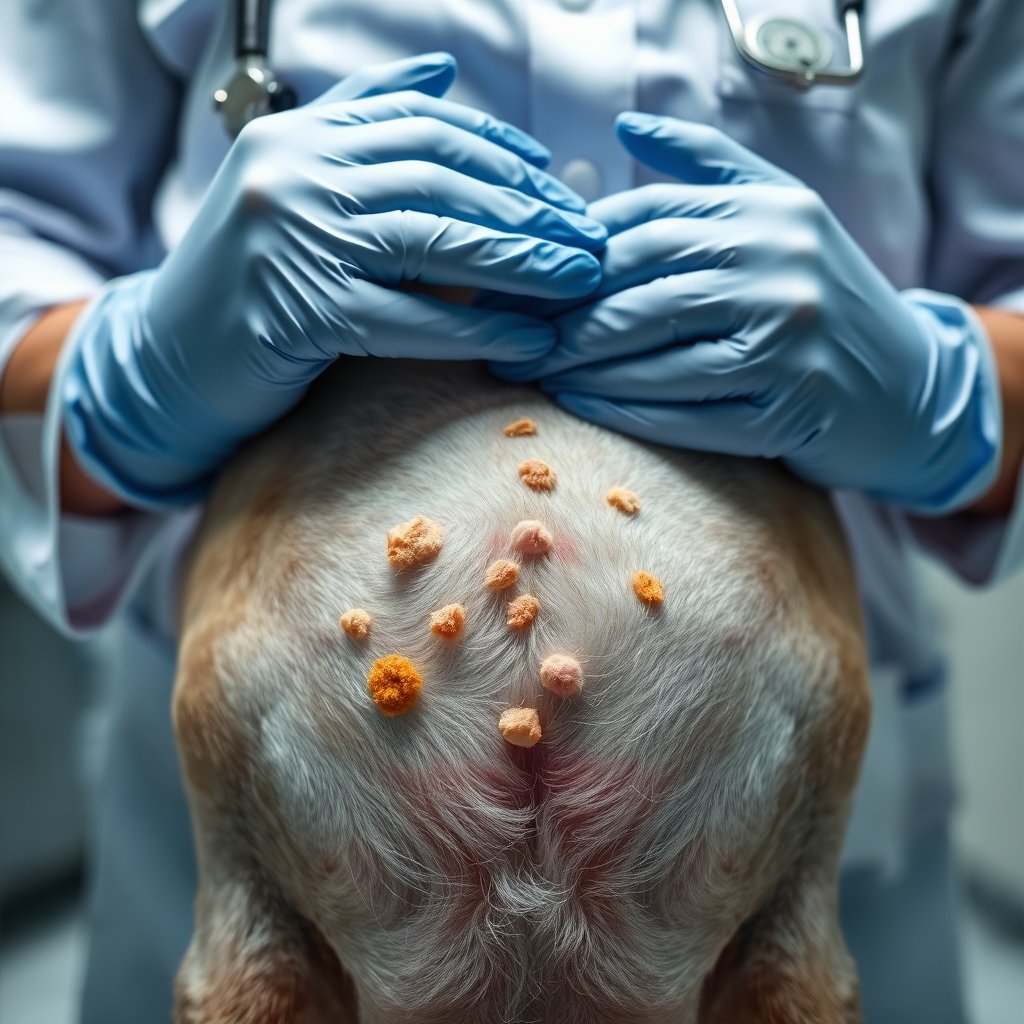
Impetigo is a bacterial skin infection seen in both humans and dogs, but the conditions, symptoms, and bacteria strains differ quite a lot. In dogs—especially puppies—impetigo surfaces as small pustules and blisters mainly around the belly and groin. These pustules eventually rupture and form crusts, leading to localized irritation and discomfort.

Human impetigo is typically caused by Staphylococcus aureus or Group A Streptococcus and is far more contagious among humans—especially kids. With dogs, the culprits are usually dog-specific Staphylococcus species found naturally on canine skin. These staph bacteria opportunistically cause infections only when the skin barrier is compromised from scratching, insect bites, or excessive moisture. According to recent veterinary data, there are no documented cases of dogs contracting impetigo from humans or vice versa, and the transmission risk is basically zero in both directions. This differs from some other zoonotic bacteria or parasites—like the risk factors discussed in our guide on canine lice and humans—where transmission is possible.
It’s easy to see why confusion arises. Impetigo presents similarly in people and puppies, but the bacteria are species-specific, and canine impetigo is seldom a threat to other pets or humans in the household. Maintaining hygiene is still important because dogs and people can harbor other, potentially resistant bacteria, but with impetigo itself, the science is clear: it doesn’t jump the species barrier.
How to Safeguard Your Dog from Impetigo Risks
Even though impetigo is not transmitted from humans to dogs, certain steps help you protect your pet’s skin health, resolve active infections faster, and avoid confusion with more serious conditions.
- Recognize the Signs Early: Look for red, raised pustules or blisters on your puppy’s belly or groin. Impetigo is most common in young dogs but can appear in adults with weakened immune systems.
- Separate Diagnoses: Not all skin sores are impetigo. Mange, ringworm, and allergies can mimic bacterial infections. Ask your vet for a skin scraping or bacterial culture if in doubt. This prevents unnecessary worry about zoonotic problems.
- Hygiene at Home: Wash your hands after handling a dog’s lesions, and change their bedding often even though the infection is not contagious to people. This helps prevent rare opportunistic infections from dog skin bacteria—especially in immunocompromised family members. Get more on general dog health in our guide to safe treats.
- Don’t Share Towels and Brushes: Use separate grooming items for each dog. While canine impetigo isn’t contagious, this practice prevents spread of other infections.
- Limit Skin Trauma: Keep your dog’s nails trimmed. Use vet-approved flea and mite preventatives. Reduce scratching and skin wounds that let staph bacteria in.
- Vet-Directed Care: Mild canine impetigo often resolves on its own, but see your vet for persistent or widespread lesions, or if your adult dog develops suddenly severe symptoms. Your vet might prescribe topical or oral antibiotics based on a culture and sensitivity test.
- Stay Informed about Non-Zoonotic Risks: Remember, impetigo does not cross between people and dogs, unlike some other bacteria or parasites. For more on zoonotic risks, check resources like our guide to Giardia in dogs or rabies transmission.
Keep in mind that confusion about dog impetigo can lead to unnecessary restrictions on pet contact, fear within the family, or inappropriate use of antibiotics. By following these clear steps and working with your vet, you’ll protect your dog’s health without unnecessary worry over human-to-dog contagion.
Deeper Insights & Pitfalls to Avoid
Even though canine impetigo is not zoonotic, there are some common pitfalls and misunderstandings to watch for—both in the vet clinic and at home. Let’s break down the main issues:
- Confusing Impetigo with Other Zoonotic Bacteria: Owners sometimes group impetigo with MRSA, ringworm, or Streptococcus species. Unlike these pathogens, impetigo in dogs almost always involves dog-specific staph bacteria (S. pseudintermedius), not the S. aureus or Group A Strep typical of human impetigo. Recent studies confirm that transmission between people and dogs just doesn’t occur with impetigo.
- Puppy-Specific Risks: Canine impetigo mostly affects puppies due to their thin skin and immature immunity, but healthy adults are unlikely to have outbreaks unless immunocompromised or traumatized.
- Overusing Antibiotics: Some dog owners rush to use broad-spectrum antibiotics at the first sign of pustules. Most mild impetigo resolves on its own, and overuse of antibiotics drives resistant strains.
- Neglecting General Hygiene: While you can’t spread impetigo by touching your puppy, neglecting handwashing and cleaning can facilitate other bacterial or fungal infections, particularly in young children or immunocompromised people.
- Relying Only on Visual Inspection: Diagnosing skin disease on sight alone is tricky; skin cytology or bacterial culture is key for distinguishing impetigo from mange, ringworm, or allergies.
| Feature | Canine Impetigo | Human Impetigo |
|---|---|---|
| Main Bacteria | Staphylococcus pseudintermedius (dog-adapted staph) | Staphylococcus aureus, Group A Strep |
| Common Age | Puppies (uncommon in adults) | Children (all ages possible) |
| Contagious to Humans | No documented transmission | Highly contagious among people (especially kids) |
| Main Symptoms | Pustules, crusts on belly/groin, mild inflammation | Pustules/vesicles, honey-colored crusts, may scar |
| Resolves Without Treatment? | Often, if mild and immune system is strong | Rarely; usually requires topical antibiotics |
Some competitor articles don’t distinguish canine staph from human staph, or gloss over resistance risks. There are no 2022-2024 veterinary guidelines recommending cross-species impetigo precautions specifically, but good household hygiene and monitoring for rare secondary infections are always best practice. For more details on cross-species disease concerns, read our insights on tick-borne dog diseases.

Conclusion
Current evidence makes it clear: impetigo in dogs is not spread by humans, nor can dogs give impetigo to humans. This is because the staph bacteria in each species are different, and documented cross-contagion is nonexistent. If you’re worried your dog might have contracted impetigo from a family member, or vice versa, rest assured the science is on your side. Instead, focus on good hygiene, monitoring for unusual infections, and consulting your vet for any persistent skin issues.
If you have questions about other zoonotic germs or skin issues in pets, check our resource library or browse helpful guides like safe beans for dogs or rehydration tips for sick pets. Need more advice on “can dogs get impetigo from humans”? Comment below or contact your veterinarian for tailored care!
Frequently Asked Questions
Can dogs catch impetigo from humans?
No, current veterinary research finds no evidence that impetigo can be transmitted from humans to dogs. The bacterial species involved are different and species-adapted.
Is canine impetigo contagious to people?
No, canine impetigo does not transmit to humans. However, good hand hygiene is recommended for all skin infections due to other possible bacteria present on dog skin.
What should I do if my dog develops skin sores while someone in the house has impetigo?
Most likely, these events are unrelated. Keep the areas clean, wash hands after petting, and consult your vet for proper diagnosis, since many skin problems can appear similar.
What bacteria causes impetigo in dogs versus humans?
Dogs: Primarily Staphylococcus pseudintermedius. Humans: Staphylococcus aureus and Group A Streptococcus (GAS). There’s no significant overlap, and canine staph does not typically infect humans or vice versa.
Are there any special guidelines after 2020 about impetigo transmission between pets and people?
No, there are no updated guidelines recommending specific controls for impetigo between dogs and humans. Basic hygiene is always wise, but no strict protocols exist for dog impetigo because cross-species spread has not been documented.