


### Blog Post:
Can puppies get parvo from vaccinated dogs? This is a question dog owners, breeders, and shelter staff often worry about—even when they follow all the right vaccination steps. Understanding the science behind parvovirus transmission, potential gaps in protection, and how even vaccinated dogs can sometimes pose a hidden risk is crucial to keeping puppies safe.
Key Takeaways
- Vaccinated dogs—especially puppies—can shed parvovirus vaccine or field strains in their feces for up to 12-19 days post-vaccination.
- Documented cases of parvo spreading from vaccinated to unvaccinated puppies are rare but possible if protocols are incomplete or environmental controls are weak.
- Strict cleaning routines and full vaccination schedules are your best defense, since field strain shedding and test detection gaps increase hidden risks.
- What Does It Mean for Puppies to Get Parvo From Vaccinated Dogs?
- How to Prevent Parvo Transmission in Multi-Dog Settings: A Step-by-Step Protocol
- Advanced Analysis & Common Pitfalls
- Conclusion
- Frequently Asked Questions
What Does It Mean for Puppies to Get Parvo From Vaccinated Dogs?
Parvovirus (“parvo”) is a highly contagious and potentially deadly disease, especially for puppies. While vaccines are extremely effective at reducing risk, research shows that even vaccinated dogs—particularly puppies—can sometimes shed the virus (either vaccine strains or field strains) in their feces for days or even weeks after a vaccine or subclinical exposure. This means it is possible, though rare, for unvaccinated puppies to become infected by contact with a vaccinated dog who is actively shedding the virus.
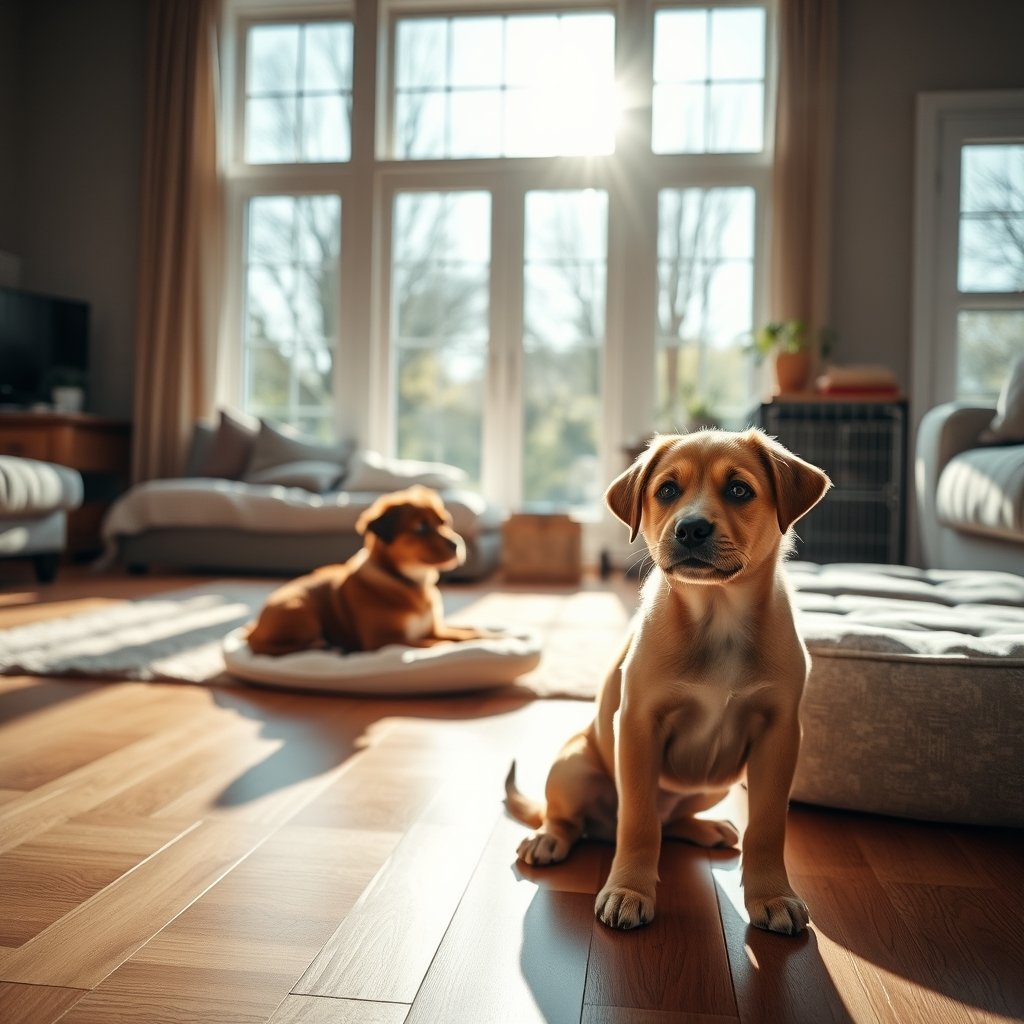
Shedding isn’t always detected with typical antigen tests; more sensitive PCR tests reveal that up to 91.7% of samples in one study from vaccinated puppies tested positive for viral DNA, even when they showed no signs of illness. This highlights the hidden risk: subclinical (no-symptom) viral shedding in otherwise healthy, fully vaccinated dogs and puppies can introduce parvovirus into homes, shelters, and breeding facilities.
This dynamic is complex. The risks change based on vaccination timing, whether vaccine or wild-type (“field”) strain is present, environmental sanitation, and the age and immunity status of puppies exposed. Owners with puppies—especially those not fully vaccinated—must be aware of these nuances to avoid gaps in protection. For a broader discussion on canine health topics, including can dogs eat Honeycrisp apples or can dogs eat fava beans, see our latest guides.
How to Prevent Parvo Transmission in Multi-Dog Settings: A Step-by-Step Protocol
- Follow the Full Puppy Vaccination Schedule: Puppies should receive their last parvo vaccine at 16-20 weeks, not just at 12 weeks, due to maternal antibody interference. Prematurely ending vaccinations leaves puppies highly susceptible to infection.
- Isolate Unvaccinated and Recently Vaccinated Puppies: Unvaccinated puppies and those within 3 weeks of their last vaccine may shed or be at risk. Isolate them from high-traffic dog areas and avoid cross-contact with adults whose vaccine or exposure status is unclear.
- Sanitize All Surfaces Daily: Parvovirus is hardy and can survive for months on surfaces. Use disinfectants proven effective against parvovirus (e.g., bleach solution) on all kennel areas, food bowls, leashes, and bedding.
- Prevent Fecal Contamination: Remove waste immediately and dispose of it safely. Do not allow puppies to sniff or ingest other dogs’ feces. Disinfect areas where accidents occur right away.
- Screen and Quarantine New Arrivals: Any new dog or puppy entering your home or facility should be isolated for 10-14 days and monitored for symptoms, regardless of vaccine history.
- Monitor for Subclinical Shedding: Be aware: vaccinated puppies (and rarely adults) may shed virus without clinical signs. PCR testing is more sensitive but usually reserved for outbreak investigations.
- Educate Staff and Visitors: Make sure everyone handling puppies knows the risks, especially about hidden/early shedding behaviors. Enforce strict handwashing and dedicated footwear.
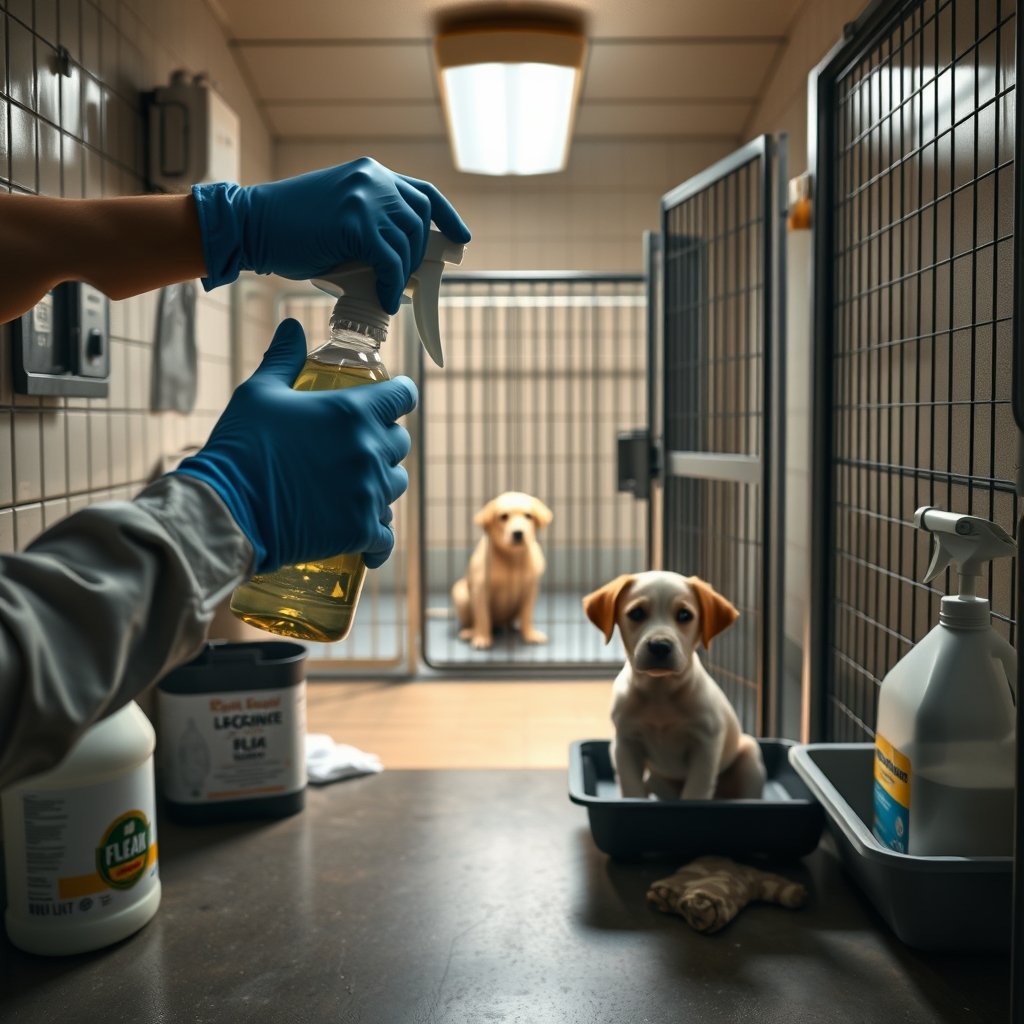
If you’re concerned about similar zoonotic risks, our guide can I get giardia from my dog outlines protective steps. For routine tummy issues, check can dogs drink Pedialyte for puppy hydration hacks.
No matter how carefully you plan, remember not every environment is easy to control. Households or facilities where multiple dogs share space and new arrivals are frequent need especially vigilant routines. And always finish puppy vaccination protocols—stopping at 12 weeks is a common pitfall (source).
Advanced Analysis & Common Pitfalls
Based on current research, here are key pitfalls and overlooked aspects that increase parvo risk even in vaccinated settings:
- Duration of Shedding: Fecal shedding lasts 12-19 days post-vaccination (longer for certain vaccine strains). During this window, a healthy puppy may quietly spread virus in group settings or homes (source).
- Subclinical Field Strain Shedding: Healthy, vaccinated puppies can shed wild-type virus, not just vaccine strains. This signals the virus can replicate in their intestines—posing a real, hidden source of new infections (source).
- Detection Gaps: Routine antigen or hemagglutination tests often miss subclinical shedders. PCR testing has shown up to 91.7% of samples from vaccinated puppies can test positive, but these dogs look healthy (source).
- Maternal Antibody Window: Puppies who complete their parvo vaccine series before 16 weeks may not seroconvert (generate protective antibodies) if maternal antibodies interfere. This leaves them highly at risk once environmental exposure occurs.
- Sanitation Standards: Leading organizations advise strong control over contact and environmental cleaning but rarely elaborate on the unique risk from vaccinated shedders. Shelters are urged to use the same disinfection rigor for subclinical cases as clinical ones (source).
| Aspect | General Understanding | What Research Reveals | Takeaway |
|---|---|---|---|
| How long can vaccinated puppies shed parvo? | Most think shedding stops quickly after vaccination. | Shedding can last 12-19 days (up to 24 for viremia), sometimes with high viral loads. | Risk window for transmission is longer than most expect. |
| Detection in healthy dogs | Routine tests catch most “silent” shedders. | PCR reveals shedding in >90% of random samples; antigen/HA tests often negative. | Many shedders go unnoticed—standard tests may give false confidence. |
| Field strain risk in fully vaccinated litters | Only the vaccine strain is shed post-vaccination. | Some fully vaccinated puppies shed wild-type (dangerous) field strains subclinically. | Contact with these puppies can infect truly susceptible peers. |
| Role of incomplete vaccines | Any vaccination means protection. | Stopping at 12 weeks usually means puppies are not fully immune if maternal antibodies persist. | Always finish the puppy series through at least 16 weeks. |
Financially and emotionally, parvo outbreaks in vaccinated populations are devastating. Owners expect full protection, only to find incomplete vaccine protocols or hidden viral shedding have created loopholes. Education and communication are vital. For more on vaccine limitations, see can a dog get rabies if vaccinated or learn how dogs get diseases from ticks.
Conclusion
The bottom line: while it is uncommon, can puppies get parvo from vaccinated dogs remains a valid concern—especially for puppies exposed during the critical window before full immunity. Always finish vaccination protocols up to 16-20 weeks, treat all fecal material as potentially infectious, and implement sanitation routines proven to deactivate parvovirus. Staying informed and realistic is the best way to protect your puppies and avoid heartbreak. If you need more help on related canine health topics, explore our full library or reach out to a veterinary professional today.
Frequently Asked Questions
Can fully vaccinated dogs still get or spread parvo?
Fully vaccinated dogs are very unlikely to get sick from parvo, but they can sometimes shed the virus—especially after recent vaccination or subclinical field strain exposure. This shedding is usually short-lived but can present a risk in multi-dog environments.
How long should I isolate a new puppy before introducing it to other dogs?
Quarantine new puppies for 10-14 days, and avoid contact with unvaccinated or recently vaccinated dogs during this time. This reduces the chance of subclinical parvo introduction to your group.
Is bleach really the best cleaner for parvovirus?
Yes, a dilute household bleach solution (1 part bleach to 32 parts water) remains one of the most effective and affordable tools for killing parvovirus on hard surfaces. Let it sit on cleaned areas for at least 10 minutes before wiping dry.
Does stopping puppy vaccines at 12 weeks make a difference?
Yes, stopping at 12 weeks means your puppy may still have maternal antibodies that block a true immune response, leaving them susceptible. Always finish the series through 16 (or even 20) weeks.
Are PCR tests necessary for every puppy?
No, PCR is typically reserved for outbreak investigations or when unexplained illness occurs. Most healthy homes don’t need them but should follow strict vaccine protocols and cleaning routines as standard.
—