


### Blog Post:
Can dogs drink cranberry juice? This is a common question for pet owners looking to support their dog’s health, especially when urinary problems are a concern. While cranberries are safe for dogs in moderation, cranberry juice—especially the commercial kind—can be risky. Here’s the truth, based on real science and practical dog nutrition advice.
Key Takeaways
- Cranberries are safe for most dogs in small, controlled amounts, but most cranberry juice products are unsafe due to added sugar and dangerous additives.
- 100 percent unsweetened cranberry juice is sometimes used for urinary tract support, but only under a vet’s advice—and always in tiny, diluted portions.
- Homemade juice and safe preparation habits can minimize risks, but never substitute cranberry juice for professional vet treatment.
- The Core Concept: Can Dogs Drink Cranberry Juice?
- Step-by-Step Guide: Safe Use of Cranberry Juice for Dogs
- Advanced Analysis & Common Pitfalls
- Conclusion
- FAQ
The Core Concept: Can Dogs Drink Cranberry Juice?
Here’s the reality: pure cranberries are safe for dogs, but cranberry juice is a different story. The “what” is simple—cranberry juice is often loaded with sugar, additives like xylitol, grape juice blends, or even alcohol—all of which are harmful or outright toxic for dogs. For example, many store-bought juices add sugars to mask cranberry’s extreme tartness, and xylitol is deadly for dogs even in small doses. Even 100 percent unsweetened cranberry juice is very acidic; this can trigger stomach upset or diarrhea if not diluted and dosed correctly.
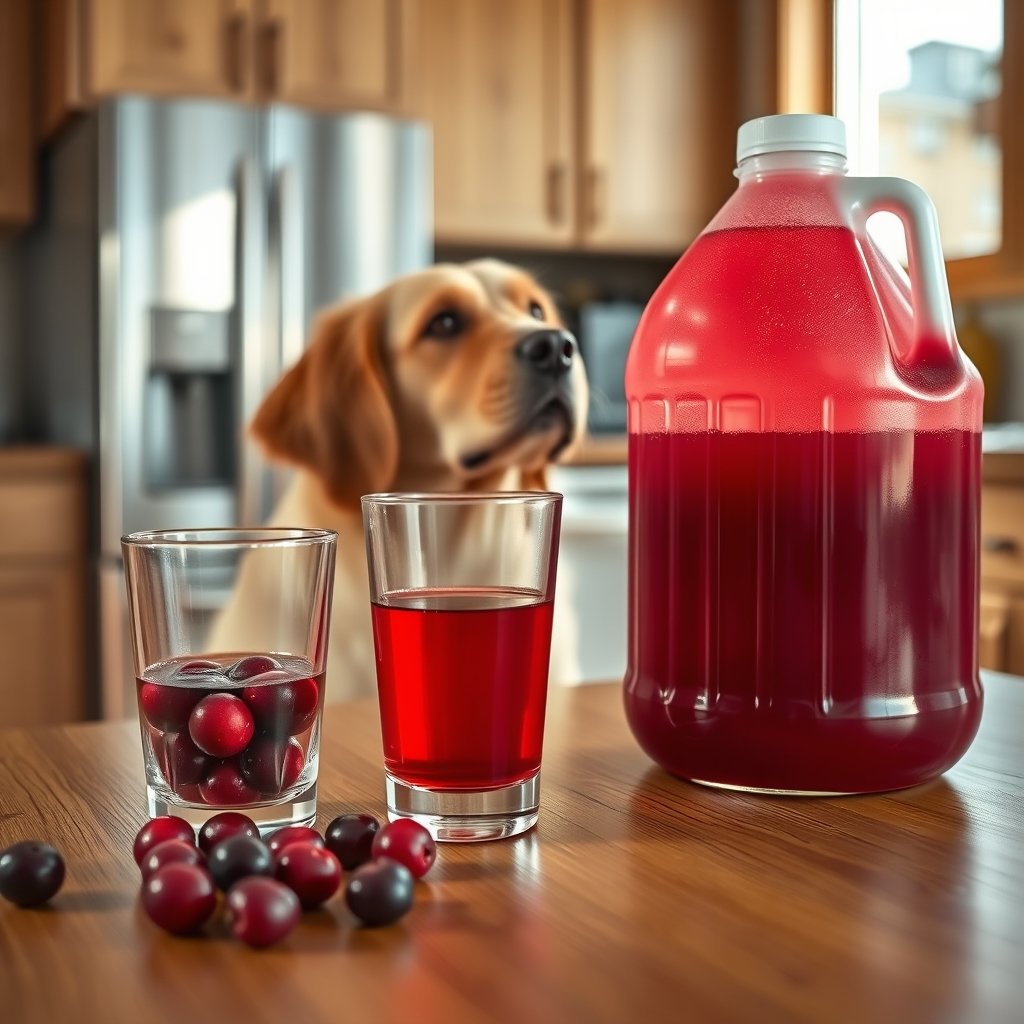
The “why” behind considering cranberries at all for dogs comes from evidence that cranberry extracts and supplements may help prevent urinary tract infections by stopping bacteria from sticking to the urinary tract lining. But even in these veterinary studies, researchers use specific cranberry extracts or powders, not juice from the grocery store. If you’re thinking of giving your dog cranberry juice, know that even small errors can cause more harm than benefit.
Step-by-Step Guide: Safe Use of Cranberry Juice for Dogs
- Consult your vet first: Before adding cranberry juice to your dog’s diet, talk to your veterinarian—this is essential for dogs with kidney disease, diabetes, or ongoing urinary issues.
- Select only 100 percent unsweetened cranberry juice: No added sugars, no xylitol, no grape or other fruit blends, no flavors or preservatives. Always check the label.
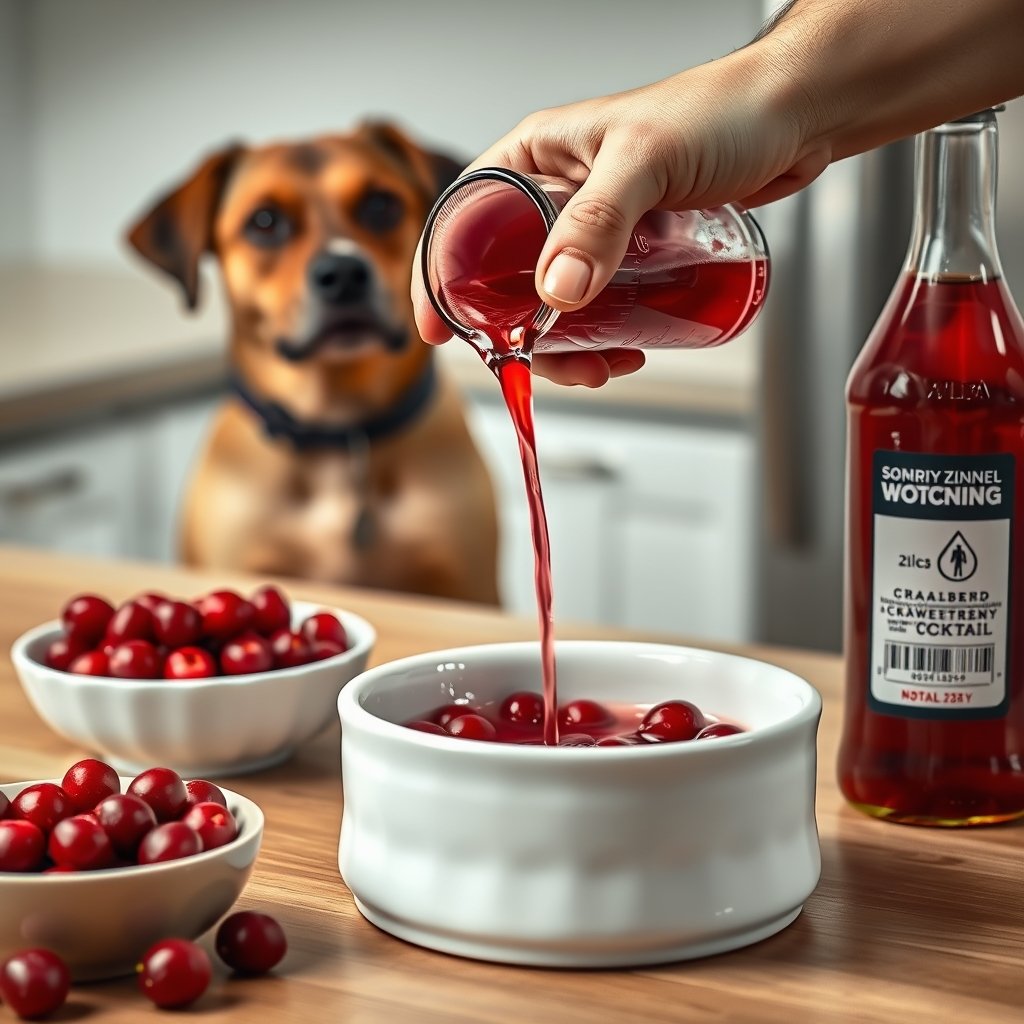
- Dilute heavily with water: Typical ratios are 1 part cranberry juice to at least 5 parts water. The juice is very acidic and concentrated.
- Follow dosage: Less is more: Guidelines suggest starting at just 1/4 teaspoon to 1 teaspoon of diluted juice for small dogs, up to 1 tablespoon for large breeds. This is far less than most people expect. As a rough rule, think “medicine dropper,” not “water bowl.”
- Monitor for side effects: Signs of diarrhea, vomiting, or refusal to eat are all reasons to stop immediately. If symptoms don’t stop after stopping juice, see your vet.
- Never use cranberry juice to treat serious illness on your own: UTIs need professional vet care, with antibiotics if necessary. Cranberry is never a substitute for actual treatment.
Need other safe treat ideas? Some fruits, like apples, can be safer than juice—just check this detailed guide on can dogs eat Honeycrisp apples to see how to prepare them correctly. Beans such as fava beans also have pros and cons, detailed in can dogs eat fava beans. Always cross-reference fruit with veterinary advice before sharing with your dog.
Dogs with sensitive stomachs may react poorly even to small amount of cranberry juice, so if your dog has a history of digestive trouble, stick to regular food and use treats like plain boiled chicken for reward instead.
Advanced Analysis & Common Pitfalls
Let’s be blunt: most cases of cranberry juice and dogs go wrong because of mistakes with commercial juice products. Below are the issues you must watch out for, and a comparison table to highlight risky ingredients.
| Juice/Product | Added Sugar | Xylitol | Grape Juice | Alcohol/Preservatives | Risk for Dogs |
|---|---|---|---|---|---|
| Typical Cranberry Juice Cocktail | High | Possibly | Common | Possible | Unsafe: May cause stomach upset, toxicity, even kidney failure |
| 100% Unsweetened Cranberry Juice | None | None | None | Rare | Safe in tiny, diluted doses only with vet approval |
| Homemade Cranberry Juice (Unsweetened, No Additives) | None | None | None | None | Lowest risk, but only in tiny, diluted amounts |
| Grape Juice Blend | Varies | Possible | Always | Possible | Extremely unsafe: Grape toxicity is well documented |
Other sneaky risks:
- Artificial colors/flavors: These may cause allergic reactions or stomach upset.
- Diabetic dogs: Any juice—even unsweetened—can spike blood sugar.
- Long-term use: No research exists on whether dogs benefit, or risk kidney stones, from steady use over months or years.
- Breed/genetic factors: Some dogs may be more sensitive than others to acidic foods—there’s no published data on breeds, so monitor closely.
Symptoms from over-consumption—diarrhea and stomach ache—usually resolve after stopping the juice, but if not, contact your vet immediately. As a comparison, grape juice is much more dangerous for dogs than cranberry (AKC), so never give dogs any product containing grape or raisin ingredients.
If your dog has ongoing digestive discomfort, you might also look into popular remedies like can dogs drink Pedialyte for a vet-approved guide. For dehydration, can dogs drink Pedialyte gives safe advice—but always clear everything new with a vet.
Also, giving your dog unfamiliar treats, mushrooms, or anything with strong flavors or additives can backfire—see the article on can dogs eat enoki mushrooms for other real-world pitfalls in dog nutrition.
Conclusion
Cranberry juice is not a typical treat and comes with potential risks for dogs. Only 100 percent unsweetened cranberry juice—diluted and given in small, controlled amounts and under veterinary guidance—can sometimes help support urinary tract health. Never give your pet commercial cranberry juice cocktails, grape blends, or products containing artificial sweeteners like xylitol. Can dogs drink cranberry juice? Only rarely, carefully, and for the right reasons. If you want to improve your dog’s diet the safe way, stick to simple, whole food rewards, and always consult your vet first. If you found this useful, explore more guides on canine nutrition in our blog and subscribe for updates!
FAQ
Is it ever safe to give dogs cranberry juice?
Only 100 percent unsweetened cranberry juice, diluted with water and given in tiny amounts, may be safe for some dogs—but always check with your vet first.
Can cranberry juice cure a dog’s urinary tract infection?
No. It can help prevent bacteria from sticking in the urinary tract but does not cure infection. Always see your vet for diagnosis and treatment.
What are safer alternatives to cranberry juice for my dog?
Plain cranberries in tiny, chopped amounts or safe fruits like Honeycrisp apples (see our apples guide) may be better. Avoid juices unless prescribed by your vet.
What immediate symptoms should I watch for after my dog drinks cranberry juice?
Watch for vomiting, diarrhea, loss of appetite, or unusual behavior. If symptoms continue after you stop juice, contact your veterinarian immediately.
Can diabetic or kidney-problem dogs have cranberry juice?
Avoid giving any juice to dogs with these conditions unless your vet prescribes it, as it can worsen blood sugar or kidney function.