


### Blog Post:
Can dogs drink orange juice? This is a question many pet owners ask after a kitchen spill. The short answer: it isn’t toxic, but it isn’t a good idea. Below, you’ll learn exactly why, how much is risky, and safer hydration options for your dog.
Key Takeaways
- Orange juice is not toxic to dogs, but its high sugar and acidity can cause stomach upset and long-term health issues.
- Veterinarians recommend providing dogs with clean, fresh water instead of fruit juices for hydration.
- Even small amounts of orange juice offer no real health benefit to dogs, and regular consumption may increase risks of obesity, dental damage, and diabetes.
- Should Dogs Drink Orange Juice? The Core Concept
- How To Respond If Your Dog Drinks Orange Juice: Step-by-Step Guide
- Advanced Analysis & Common Pitfalls
- Conclusion
- FAQ
Should Dogs Drink Orange Juice? The Core Concept
Orange juice may look appealing, but it is not recommended for dogs. While it is not outright toxic, the high sugar content and acidity irritate a dog’s stomach. Even a small glass can pack about 32 grams of sugar, far above healthy daily limits for any size of dog. Instead of nutrients, your dog gets empty calories, stomach upset, and risk of enamel erosion on their tooth enamel. For hydration or treats, water and dog-safe fruits (without juice) are always the safer option.

Leading veterinary authorities like PetMD and Purina agree: orange juice isn’t dangerous in minuscule accidental sips, but feeding it on purpose brings no benefit and several real risks.
How To Respond If Your Dog Drinks Orange Juice: Step-by-Step Guide
- Assess the Amount Consumed: Did your dog just lick a spill, or drink a whole glass? Small amounts (a few licks or sips) usually cause no harm in healthy adult dogs. Large amounts (half a glass or more) can upset the stomach and cause diarrhea or vomiting.
- Monitor for Symptoms: Watch your dog for signs of stomach upset including drooling, lethargy, vomiting, loose stools, or unusual thirst.
- Offer Plenty of Water: Provide fresh, clean water to dilute any acidity and help flush sugar from your dog’s system. Water is the best and safest hydrating beverage for all dogs—puppies and seniors alike.
- Don’t Induce Vomiting: Unless instructed by a veterinarian, don’t try to make your dog vomit. The acidity could cause even more irritation if brought back up.
- Call Your Vet if Symptoms Develop: If your dog vomits, develops diarrhea, seems abnormally tired, or doesn’t improve within 6-12 hours, contact your vet. Provide details (dog size, amount consumed, timeline) for best advice.
- Prevent Future Access: Store juices on high shelves and clean up spills immediately.
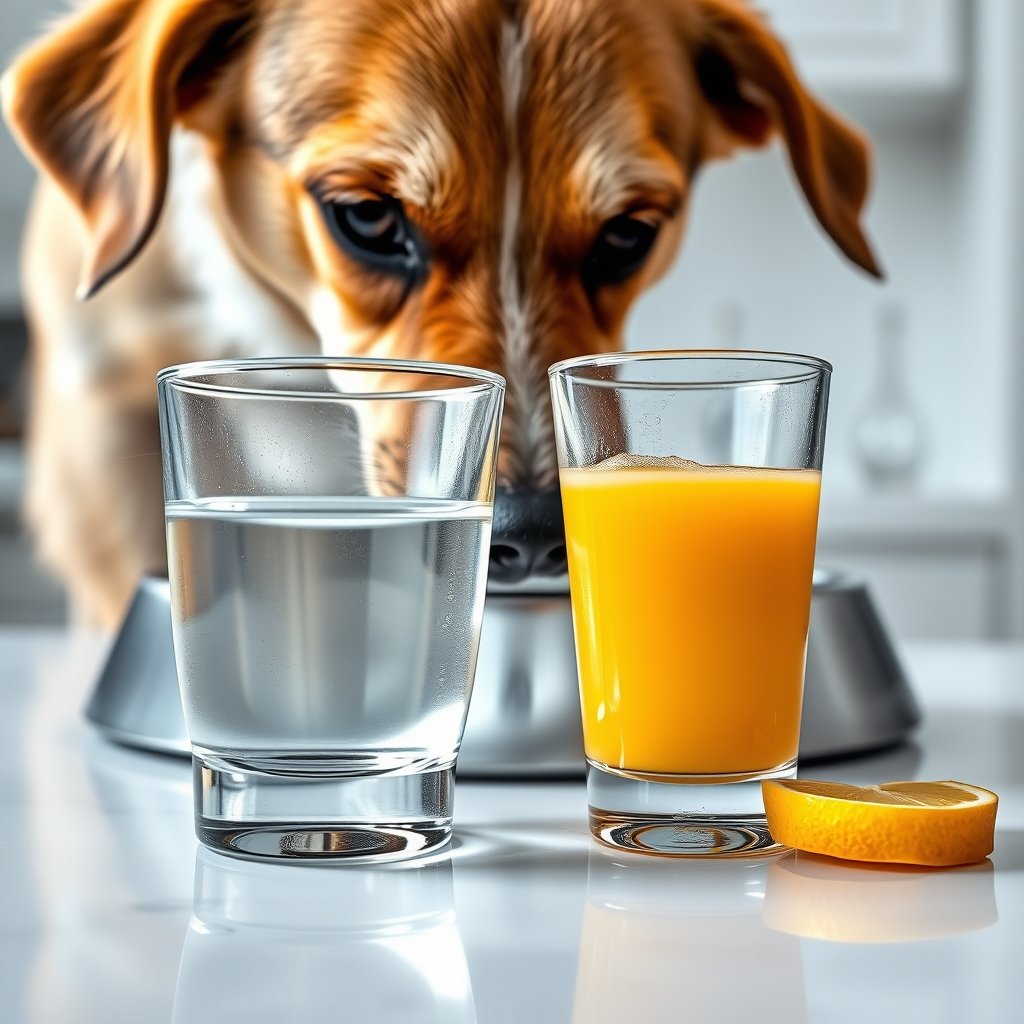
- For alternatives to juice for dogs with sensitive tummies, check out can dogs drink Pepto Bismol or can dogs drink Pedialyte for safe ways to treat an upset stomach.
- If you’re considering hydration alternatives, our can dogs drink cow milk guide explores safe and risky non-water drinks.
Advanced Analysis & Common Pitfalls
It might be tempting to offer your dog orange juice for a vitamin boost, but research shows this logic is flawed:
- Dogs make their own vitamin C. Unlike humans, dogs synthesize all the vitamin C they need, so orange juice offers zero nutritional advantage [Source].
- High sugar and acidity. Orange juice (even the unsweetened kind) contains about 32g of natural sugar in a 12-ounce glass. The acidity (from citric acid) can further irritate the gut and wear down your dog’s tooth enamel, fueling future dental problems. Dogs’ bodies are not built to handle sugar spikes or acidic foods—even in amounts tolerated by humans. Dogs prone to diabetes or overweight status are at even higher risk.
- No set safe threshold. There is no scientifically backed limit for juice consumption in dogs. Sources unanimously suggest to avoid, not just limit, orange juice intake. Multiple sources including A-Z Animals note a single glass as harmful for any dog and repeated exposure can be serious.
- Seeds are a hazard. Accidentally blended seeds in juice can introduce trace cyanide compounds—dangerous even in small quantities.
- For hydration, water is best. Reputable pet sites and leading veterinarians only recommend fresh water for hydration, with electrolytes or broths used under vet supervision. No juice, soda, or citric drinks are considered safe daily beverages. See more in our can dogs drink cranberry juice article for other juice-related risks.
| Nutrient / Factor | Orange Juice (1.5 cups glass) | Dog’s Tolerance / Need | Risks If Consumed |
|---|---|---|---|
| Sugar | ~32g | Very low; high sugar causes metabolic spikes | Obesity, diabetes, energy crash |
| Citric Acid | High | Low digestive tolerance | Vomiting, diarrhea, tooth enamel erosion |
| Vitamin C | High | Dogs synthesize enough on their own | No benefit; possible GI upset if excessive |
| Fiber | None | Important for digestion; juice lacks fiber | Blood sugar spikes worsen |
| Total Calories | ~165 | Snacks should be under 10% of daily calories | Weight gain, loss of appetite for real food |
Competitor articles consistently skip deep nutritional breakdowns or discussion on the difference between juice and whole fruits. Slices of fresh orange—without seeds or peel—are a safer, but still occasional, treat in tiny amounts. For more on healthy fruit treats, see can dogs eat Honeycrisp apples.
Conclusion
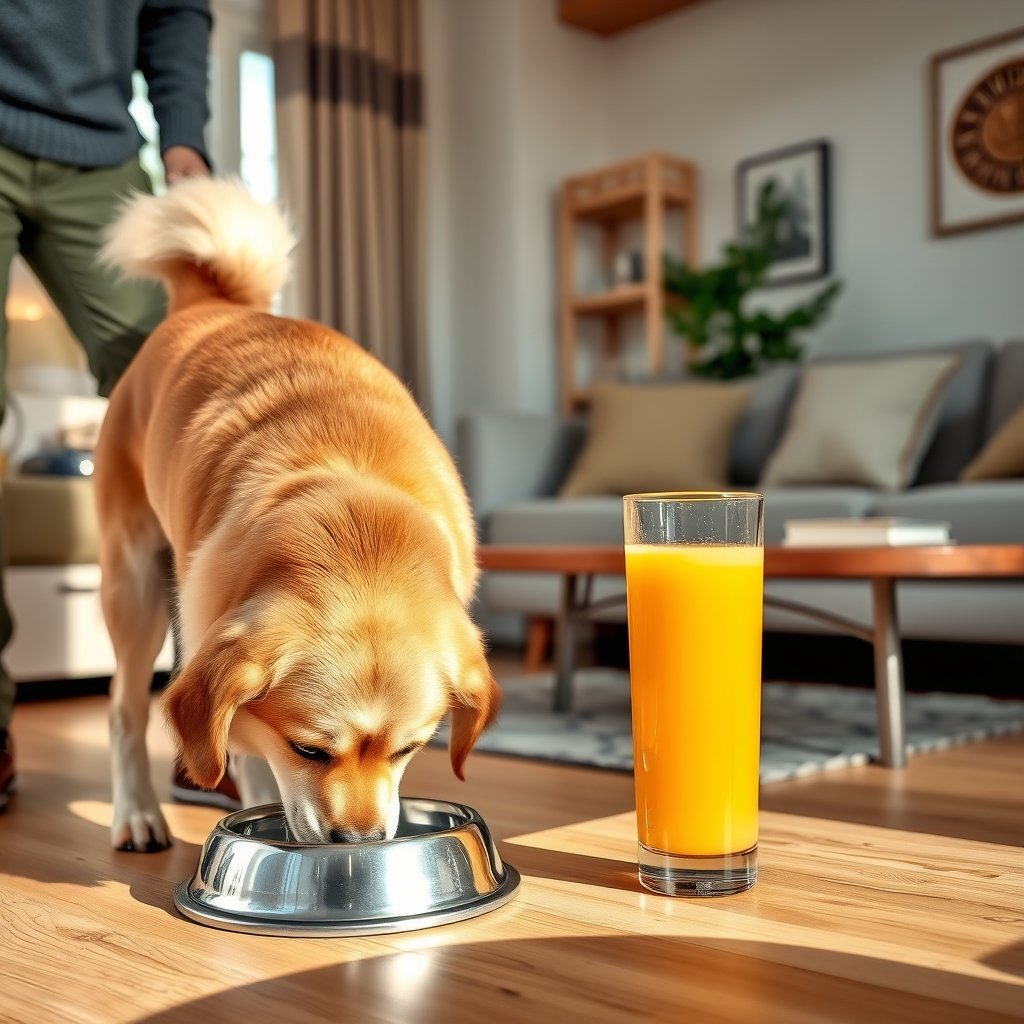
Can dogs drink orange juice? The science and expert consensus are clear: skip it. While an accidental lick is rarely dangerous, drinking orange juice can lead to stomach upset, obesity, and dental damage—even in small regular doses. Always choose water, keep juices out of reach, and treat every “human food” question with research and caution. If you want to make snack time fun and safe, choose dog-approved fruits or vet-endorsed treats instead.
Still unsure about what’s safe for your dog’s bowl? Subscribe to our updates, or browse other hydration and treat guides before sharing new foods.
FAQ
Is orange juice toxic to dogs?
No, orange juice is not considered toxic. The real danger comes from its high sugar and citric acid content, which can upset your dog’s stomach and damage their teeth.
What should I do if my dog drank a lot of orange juice?
Monitor for vomiting, diarrhea, and lethargy. Give plenty of fresh water, and contact your veterinarian if symptoms develop or persist.
Are small spills or licks of orange juice dangerous for puppies?
Small licks are unlikely to harm a healthy puppy, but pups are more sensitive to sugar and acidity. Avoid offering it on purpose.
Can dogs drink other juices, like lemon water or apple juice?
Lemon water and most fruit juices are risky due to acidity or high sugar. Always provide fresh water. For other juices and their risks, check our in-depth guide on can dogs drink cranberry juice.
Is any amount of orange juice actually healthy for dogs?
No. Dogs don’t need the vitamin boost and the risks outweigh any possible benefits. Offer small pieces of plain fruit instead if your vet approves.