


Can dogs drink Pedialyte? This is a common question for pet owners worried about dehydration or sick pets. Although Pedialyte is sometimes used as a quick fix for dogs, there are crucial risks, dosing problems, and safer alternatives every owner should know.
Key Takeaways
- unflavored and diluted Pedialyte may help dogs with mild dehydration for a short period but is not a substitute for veterinary care.
- Risks include electrolyte imbalances, GI upset, and even toxicity in some formulas—never use flavored types due to dangerous sweeteners.
- Safer, more effective dog-specific rehydration options exist. When in doubt, always consult your vet.
- What Is Pedialyte, and Why Do People Give It to Dogs?
- How to Offer Pedialyte to Dogs (or Not): Step-by-Step Guide
- Risks, Problems & How Pedialyte Compares to Other Dog Rehydration Methods
- Conclusion
- FAQ
What Is Pedialyte, and Why Do People Give It to Dogs?
Pedialyte is a human oral electrolyte solution designed to replace lost minerals (mainly sodium and potassium) and fluids, commonly used for children with vomiting or diarrhea. Pet owners sometimes use Pedialyte to help a dog rehydrate after mild dehydration from vomiting or diarrhea, hoping to quickly restore lost electrolytes. Most veterinarians state that unflavored and diluted Pedialyte can be safe for short-term use in otherwise healthy dogs but it is not made for canine needs. Dog bodies are sensitive to sodium and sugar content in human formulas, so overuse or incorrect type (such as flavored Pedialyte containing xylitol or sucralose) can cause more harm than good, including vomiting, diarrhea, electrolyte disturbances, or even toxicity.
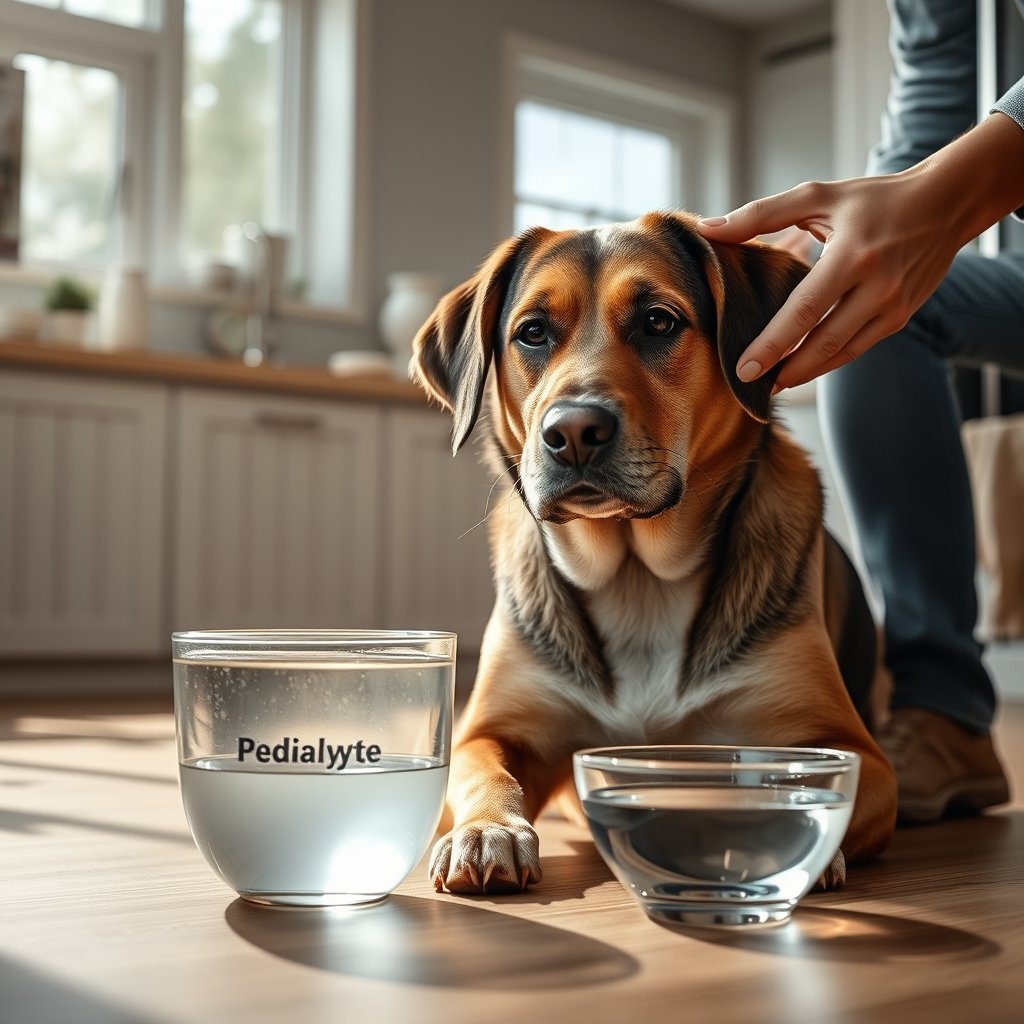
Because of this, authoritative groups like the AVMA and ASPCA do not specifically endorse Pedialyte for dogs. Instead, most vet advice is based on clinical experience, emphasizing that Pedialyte is not a treatment for underlying illness—and that professional follow-up is always needed to address the real cause of your dog’s symptoms. Owners must also Never use Gatorade, which contains even more sugar and sodium, as well as artificial colors and flavors potentially harmful to pets.
For a safe treat idea, check out can dogs eat Honeycrisp apples—a healthier, vet-approved snack option.
How to Offer Pedialyte to Dogs (or Not): Step-by-Step Guide
If you’re considering offering Pedialyte to your dog, it’s vital to follow expert advice to minimize risks and avoid complications. Here’s a step-by-step approach:
- Only use unflavored Pedialyte. Never use anything containing xylitol, sucralose, or artificial flavors/colors, which are toxic for dogs. Check the label carefully.
- Dilute Pedialyte with water. Mix one part Pedialyte with at least 1–2 parts water. This helps avoid high sodium and sugar levels entering your dog’s system.
- Offer small amounts frequently. Start with 1 teaspoon per 5 pounds of body weight every hour. This is a conservative guideline—lower the dose if unsure, and never exceed the safe daily maximum.
- Monitor for side effects. Watch for more vomiting, lethargy, bloating, or refusal to drink. If your dog cannot keep down fluids, stops urinating, or shows worsening symptoms, stop Pedialyte and contact your vet immediately.
- Don’t substitute for real medical care. Pedialyte only helps with mild dehydration—not for underlying causes like parvo, pancreatitis, or kidney disease.
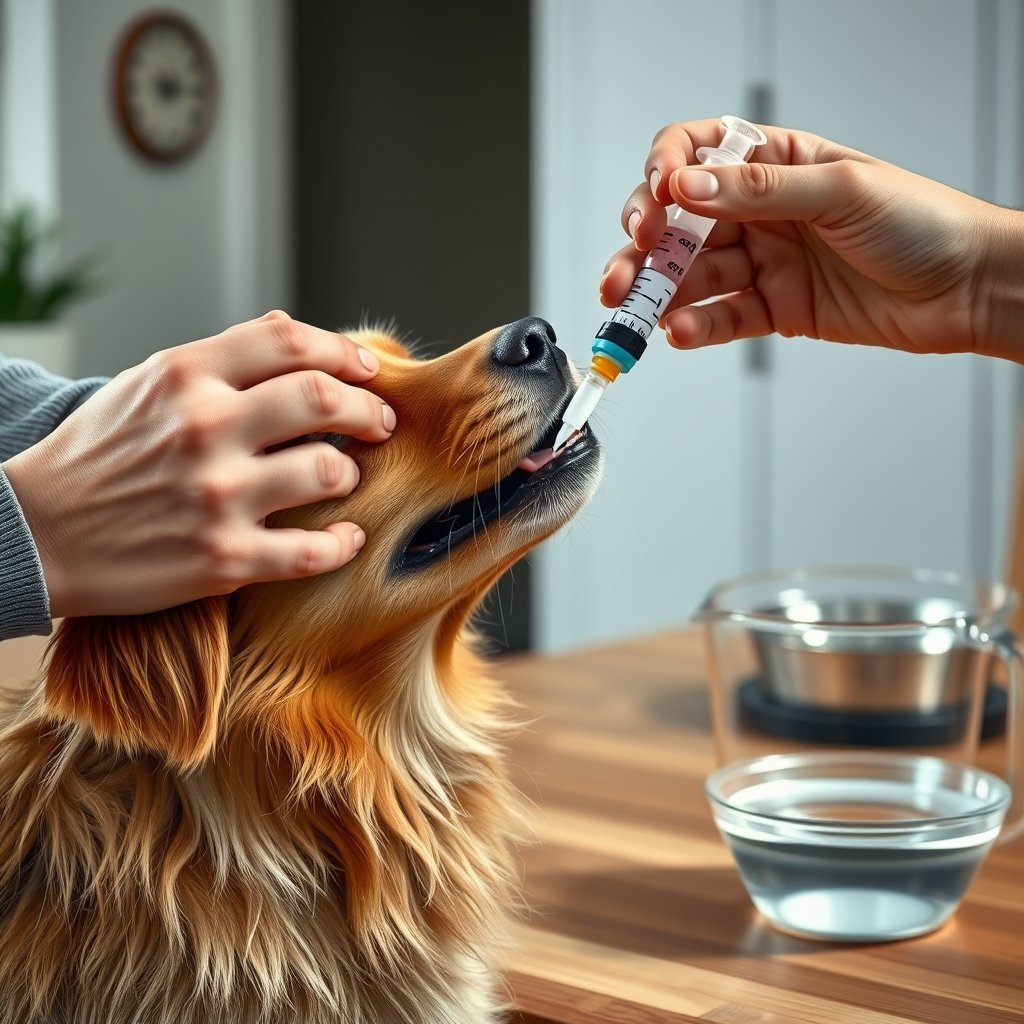
Never use Gatorade or other sports drinks for dogs. These contain too much sugar and salt plus potentially dangerous additives. For safer alternatives—especially if your dog is sick or at-risk—discuss Veterinary electrolyte solution from your vet. Learn more about dog-safe remedies for GI upset in our post on can dogs drink Pepto Bismol.
For other treat ideas and food safety tips, see can dogs eat fava beans or can dogs eat teriyaki beef jerky.
Risks, Problems & How Pedialyte Compares to Other Dog Rehydration Methods
While Pedialyte can help in a pinch, it’s far from the ideal solution for most dogs. Below you’ll find a breakdown of major pitfalls, reactions, and how Pedialyte stacks up against alternatives like veterinary fluids, plain water, or DIY solutions.
Common Pedialyte Pitfalls and Adverse Reactions
- Electrolyte imbalances: Too much sodium or potassium can cause hypernatremia/hyperkalemia (dangerous for dogs with heart, kidney, or high blood pressure problems).
- Worsened vomiting or diarrhea: High sodium and sugar can irritate sensitive stomachs—especially in pups unfamiliar with Pedialyte.
- Toxicity risks: Flavored Pedialyte formulas sometimes contain xylitol, which is deadly for dogs even in tiny amounts. Artificial sweeteners like sucralose can also lead to illness.
- Hidden illness: Relying on Pedialyte delays proper care for underlying disease (like parvo, bacterial infections, or pancreatitis).
Comparison Table: Dog Hydration Solutions
| Solution | Contains Electrolytes? | Dog-Specific Formulation | Main Risks | Cost | Best For |
|---|---|---|---|---|---|
| Unflavored, diluted Pedialyte | Yes (Sodium, Potassium, Sugar) | No | Electrolyte imbalance, GI upset if overused, sugar spike | Low to moderate | Mild, short-term at home |
| Gatorade/sports drinks | Yes (Higher Sodium/Sugar) | No | High sugar, flavor chemicals, sodium excess, toxicity | Low | Not advised |
| Veterinary electrolyte solution | Yes (dog-specific) | Yes | None when used as directed | Higher | Illness, severe dehydration |
| Plain water | No | Yes | No risks for most dogs | Very low | Everyday hydration, mild cases |
| Homemade electrolyte solution | Varies | No | High risk of imbalances, infection if not clean | Very low | Not recommended |
Dog-specific vet fluids are the best for moderate to severe dehydration or illness. Homemade solutions are risky—most top articles lack guidelines or warn against making your own. While Pedialyte is affordable and accessible, the cost savings are not worth risking complications in your pet. Veterinary electrolyte formulations are more expensive but tailored to your dog’s needs and much safer long-term.
Read about specialty procedures and dog safety in can a dog get a vasectomy.
Conclusion
If you’re wondering, can dogs drink Pedialyte, the answer is yes—but only if it’s unflavored, heavily diluted, and offered for a short timeframe in very small amounts. It is never a replacement for veterinary advice or dog-specific rehydration fluids. For any signs of moderate or severe dehydration, persistent illness, or a dog with health conditions, consult your vet before using Pedialyte or consider safer, prescription options. When in doubt, trust expert guidance—and choose what’s safest for your pet’s unique needs.
Still have questions? See below, or explore more in our guides on dog-safe treats and home remedies.
FAQ
Is Pedialyte safe for any dog?
Unflavored, diluted Pedialyte can be safe for short-term use in most healthy dogs with mild dehydration. Never use in dogs with heart, kidney, liver disease, or in puppies without asking a vet. Always choose unflavored versions and dilute with water.
How much Pedialyte should I give my dog?
A common guideline is 1 teaspoon per 5 pounds of body weight every hour, but always confirm with your vet. Avoid giving large volumes at once, and do not exceed one day of use unless instructed by a veterinarian.
Are there any risks to using Pedialyte?
Yes—possible risks include stomach upset, vomiting, diarrhea, and dangerous electrolyte disturbances. Flavored Pedialyte with xylitol or sucralose can be toxic. Pedialyte may make some dogs sicker, especially those with health problems. Always monitor closely and seek vet help for persistent symptoms.
What’s better than Pedialyte for dog dehydration?
Veterinary electrolyte solutions are far better and safer than Pedialyte or Gatorade. For very mild cases, plain water is always safest. Contact your veterinarian for recommendations, especially if your dog is ill or very young/old.
Can I use Gatorade or homemade solutions instead?
No. Gatorade has too much sugar and sodium for dogs, plus artificial colors and flavors. Homemade solutions are risky since improper ratios can cause imbalances and worsen illness. Always use vet-approved products when possible.