


Can dogs drink soda? Most pet owners have wondered if sharing a fizzy drink with a dog is harmless. The answer has real health consequences every dog owner should understand before even dropping a splash into a water bowl.
Key Takeaways
- Dogs should never drink soda due to serious risks from caffeine, sugar, carbonation, or artificial sweeteners.
- Even a small amount of soda can cause hyperactivity, vomiting, tremors, or worse—especially in small or sensitive breeds.
- Veterinarians recommend monitoring and immediate treatment if symptoms emerge; water is always safest for dogs.
- The Core Concept
- Step-by-Step Guide: What To Do If Your Dog Ingests Soda
- Advanced Analysis & Common Pitfalls
- Conclusion
- FAQ
The Core Concept: Why Soda is Dangerous for Dogs
Giving soda to dogs is far riskier than most people think. Soda contains multiple ingredients—caffeine, sugar, and sometimes xylitol (an artificial sweetener)—that are toxic or dangerous to dogs. Caffeine causes speedy heart rate, nervousness, tremors, and can be deadly in high doses. Sugar leads to blood sugar spikes, vomiting, dehydration, and, over time, obesity and diabetes. Diet sodas with xylitol can cause near-instant dangerous drops in blood sugar and possible liver failure, sometimes after only a tiny amount. Carbonation in any beverage (including plain seltzer or sparkling water) leads to uncomfortable gas, bloating, and may trigger life-threatening bloat in deep-chested or small breeds. Dogs’ digestive and metabolic systems simply aren’t equipped to process any of these ingredients safely. [Pet Poison Helpline], [A-Z Animals]
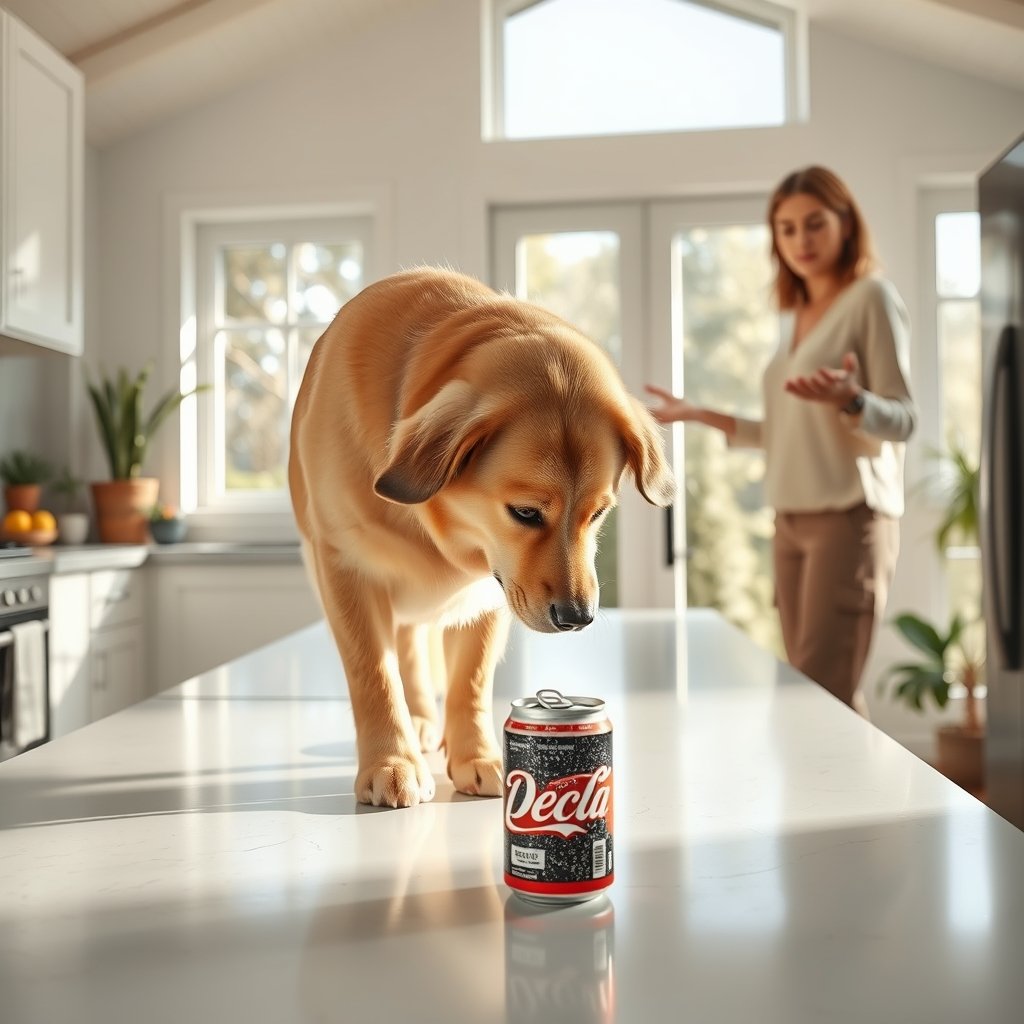
Reported symptoms after soda ingestion include vomiting, diarrhea, agitation, hyperactivity, abnormal heart rhythm, tremors, collapse, and—if enough caffeine or xylitol is ingested—seizures or death. These effects can develop quickly, within 30-60 minutes. There are also long-term effects: repeated or unintentional exposure to soda or pop may set a dog up for diabetes, dental disease, and unhealthy weight gain. There are no harmless sodas for dogs: whether Coke, pop, club soda, or diet drinks, all are risky. [Fetch a Vet]
You can read more about other foods and drinks dogs should avoid, like can dogs drink Coke or why can dogs drink seltzer water is also a bad idea.
Step-by-Step Guide: What To Do If Your Dog Ingests Soda
If your dog drank soda—whether a full can, a few sips, or just licked a spill—prompt action is crucial. Here’s what veterinarians recommend:
- Don’t panic. Most soda-related emergencies are treatable if caught quickly. Stay calm to help your dog and communicate with professionals clearly.
- Remove access immediately. Clear up all remaining soda and stop your dog from licking spills off the floor or surfaces.
- Check the ingredients. Look at the bottle or can for caffeine, artificial sweeteners (especially xylitol), and any unfamiliar chemical names. If diet soda, assume xylitol is present unless the label says otherwise.
- Estimate the amount. Try to figure out how much your dog actually ingested. Even a few licks can be dangerous if the drink contains xylitol.
- Monitor closely for symptoms. Watch for agitation, vomiting, diarrhea, hyperactivity, trembling, pacing, increased heart rate, collapse, or weakness over the next 30-120 minutes.
- Provide fresh water. Encourage your dog to drink water, which helps dilute toxins and stay hydrated, but do not force-feed water if nauseous.
- Call your veterinarian or a poison control hotline. If symptoms appear, or the drink contained caffeine/xylitol, get help immediately. Be ready to share your dog’s weight, breed, age, health issues, and ingredient information. poison control hotline
- For large amounts or any amount of diet soda: Seek emergency veterinary attention regardless of your dog’s size or symptoms. Xylitol can cause dangerous symptoms before the dog looks ill.
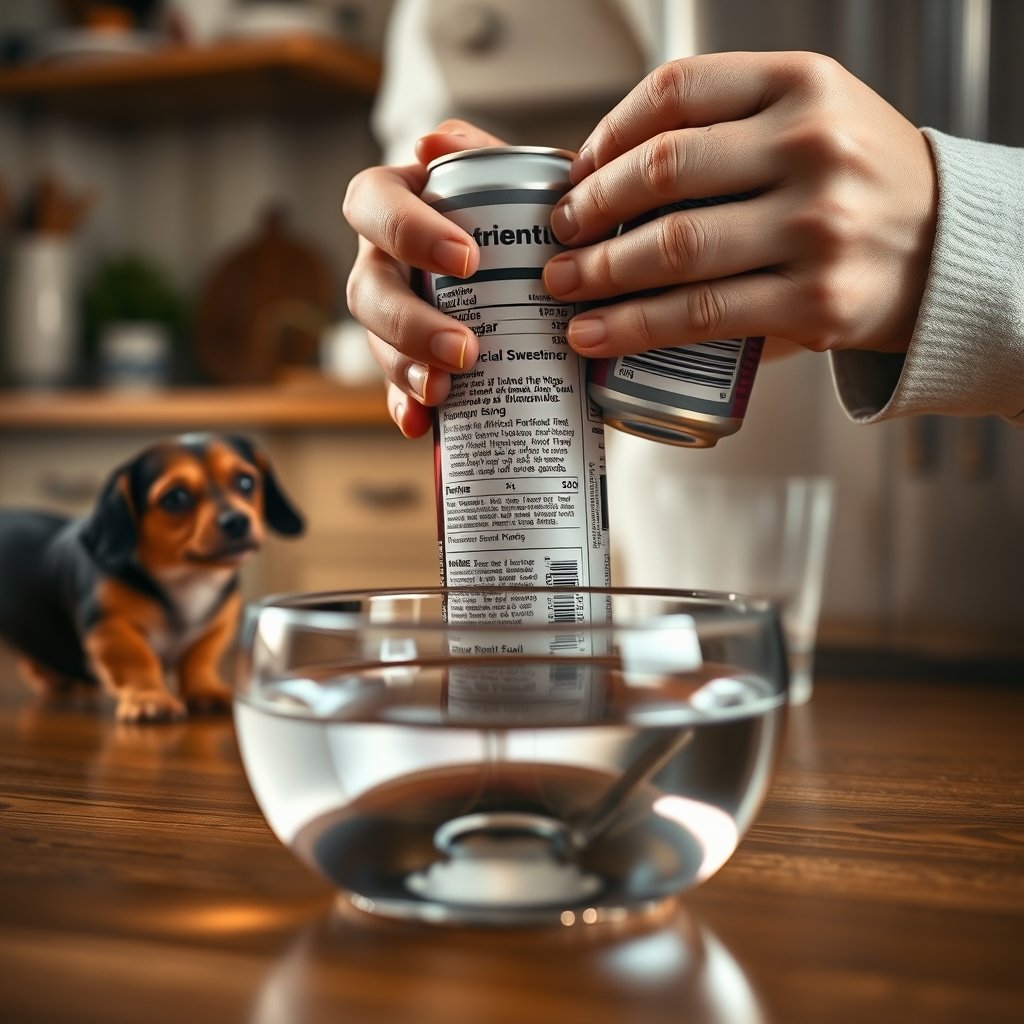
Prevention is always better than reaction. Keep all sodas, energy drinks, and any sweet beverages locked away or well out of reach, especially if your dog is curious or clever about getting into trash or open containers.
If you want safe alternatives, check out guides like can dogs drink Pedialyte or can dogs drink Pepto Bismol before offering anything but water.
Advanced Analysis & Common Pitfalls
Even informed dog owners often underestimate just how toxic soda can be—or think plain carbonated water is harmless. Here are the mistakes most often seen by veterinarians and pet hotlines:
- “It’s only a small sip, so it must be safe.” Dogs are far more sensitive to caffeine, sugar, and xylitol than humans. For some dogs, even a few drops of diet soda can trigger hypoglycemia or worse.
- “Plain carbonated water is just water.” The carbonation itself can cause life-threatening bloat, especially in breeds with deep chests or puppies with small stomachs.
- “Symptoms will happen right away.” Some dangers (such as xylitol) act within 10-60 minutes, but others—like dehydration, stomach upset, or blood sugar crashes—may develop hours after ingestion.
- “Diet soda is better than regular.” The opposite is true for dogs: xylitol is deadly at tiny doses, while regular sugar is less acutely toxic but still very unhealthy.
- “All dogs react the same.” Small dogs, puppies, senior dogs, or those with preexisting issues (liver, kidney, diabetes) are far more vulnerable than a large, healthy adult dog.
| Beverage | Main Danger(s) | Onset Speed | Who is Most At Risk? | Outcome Risk |
|---|---|---|---|---|
| Regular Soda (Coke, Pepsi, pop) | Caffeine, Sugar | 30-60 mins (caffeine); Hours (sugar) | Small dogs, heart/liver/kidney issues | Vomiting, hyperactivity, seizures, diabetes, dental disease |
| Diet Soda (sugar-free) | Xylitol | 10-60 mins | All dogs, esp. small breeds | Hypoglycemia, liver failure, seizures, death |
| Plain Carbonated Water | Carbonation (gas, bloat) | Immediate to 60 mins | Deep-chested dogs, puppies | Bloat, stomach pain, vomiting, emergency surgery risk |
Dogs with sensitive stomachs or digestive issues are even more prone to severe symptoms. If in doubt, call your vet—don’t “wait and see.” While most people understand chocolate is toxic, soda is overlooked but surprisingly dangerous. Other foods with hidden risks include can dogs eat hickory nuts and can dogs eat teriyaki beef jerky.
Conclusion
The answer to “can dogs drink soda” is simple but crucial: no, dogs should never drink soda in any form. Any amount exposes your pet to real risks—from upset stomach to seizures, bloat, or liver failure. Always stick to water or vet-approved drinks for your dog, and keep all sodas, pops, colas, or sweet drinks completely out of reach. If you suspect your dog consumed soda, act fast and call a professional.
Protect your dog’s health: skip soda and read about safe snacks and drinks—like can dogs eat Honeycrisp apples—for smarter treat choices. When in doubt, always call your vet first.
FAQ
Can dogs have a sip of soda or is any amount dangerous?
Any amount is risky, especially if the soda contains caffeine, xylitol, or lots of sugar. Even a small sip can cause vomiting, restlessness, or worse in sensitive dogs. Diet sodas are particularly dangerous due to xylitol. Play it safe and keep all soda away from dogs.
What should I do if my dog drank regular soda?
Remove access, check the ingredients, and estimate how much was swallowed. Watch for symptoms like hyperactivity, vomiting, or tremors over the next 1-2 hours. If your dog is small or has underlying health issues, or if symptoms appear, call your vet immediately.
Are “diet” sodas safer than regular soda for dogs?
No, diet sodas with artificial sweeteners (especially xylitol) are far more dangerous. Xylitol can cause deadly drops in blood sugar or sudden liver failure even if only a tiny amount is consumed. Never give diet soda to dogs.
Is plain carbonated water okay for dogs?
Carbonation can lead to uncomfortable gas, bloating, and in some cases, life-threatening bloat. Deep-chested breeds and puppies are particularly at risk. Offer plain, flat water only for dogs to stay safely hydrated.
Are there any safe alternatives to soda for dogs?
Plain water is always best. Some vet-approved drinks like certain electrolyte solutions can be used in special situations (can dogs drink Pedialyte), but always check with your veterinarian first.