


Can dogs eat eels? Many pet owners wonder if eel is a safe, healthy treat or a hidden hazard for their dogs. This guide reveals the facts, health risks, and step-by-step safety measures based on the latest research and veterinary advice.
Key Takeaways
- Cooked eel can be safe and nutrient-rich for dogs, but raw eel is extremely toxic due to blood toxins.
- Proper preparation—cleaning, skinning, deboning, and thorough cooking—is essential to eliminate dangers.
- No reports of real-world dog poisoning from eel exist, but scientific data on dogs is limited. Moderation is key.
- The Core Concept: Can Dogs Eat Eels?
- Step-by-Step Guide: Safely Feeding Eel to Your Dog
- Advanced Analysis and Common Pitfalls
- Conclusion
- FAQ
The Core Concept: Can Dogs Eat Eels?
Eel is a nutritional powerhouse, high in protein, omega-3 fatty acids, and minerals like calcium and phosphorus. Some studies in cats found health benefits, such as improved coat, antioxidant function, and calcium digestibility when eel was a main protein source. These findings hint at possible advantages for dogs, given similar nutritional needs, but no direct dog-specific research exists yet.
However, eel presents a major hazard if not prepared right. Veterinary sources confirm that raw eel blood contains powerful toxins that attack the mammalian nervous system and can be fatal to dogs. Cooking completely neutralizes these toxins, making the meat safe when properly prepared. No known cases of dog poisoning have been published, but risk remains when serving undercooked or raw eel.
Feeding eel to your dog in moderation—as an occasional treat and not a main meal—means your dog can benefit from its nutrients, provided all steps are followed strictly. This applies broadly to fish in the canine diet, but eel is especially potent in nutrients compared to chicken or other fish, according to scientific review. As with introducing any new treat, watch your dog’s reaction and speak to your vet if unsure.

Step-by-Step Guide: Safely Feeding Eel to Your Dog
Follow these steps to ensure eel is a safe, nutritious supplement for your dog’s diet:
- Source fresh, high-quality eel: Only use fresh, human-grade eel. Avoid smoked, heavily spiced, or preserved eel products. Never use leftovers from sushi or restaurants, as these may not be fully cooked.
- Thoroughly clean the eel: Remove all traces of blood during cleaning. Rinse well to eliminate any residues.
- Skin and debone: Carefully remove the eel’s tough skin and all bones with fish tweezers. Eel bones are thin and fragile, so take your time to avoid choking hazards.
- Cook thoroughly: Bake, steam, or boil the eel at a minimum of 145°F (63°C) until completely opaque and flakey in the center. Cooking is the only way to destroy eel blood toxins.
- Cut into small portions: Dice or flake cooked eel into bite-sized pieces appropriate for your dog’s size.
- Serve plain and in moderation: Never add salt, sauces, onions, or fats. Offer eel as an occasional treat (once every week or two), not a main diet. Too much can upset the nutritional balance or introduce too many calories.
- Store leftovers safely: Cool and refrigerate any unused cooked eel immediately, and use within two days. Discard if unsure.
- Observe and monitor: After serving, watch for any adverse reactions such as vomiting, diarrhea, or lethargy. If symptoms appear, contact your vet.
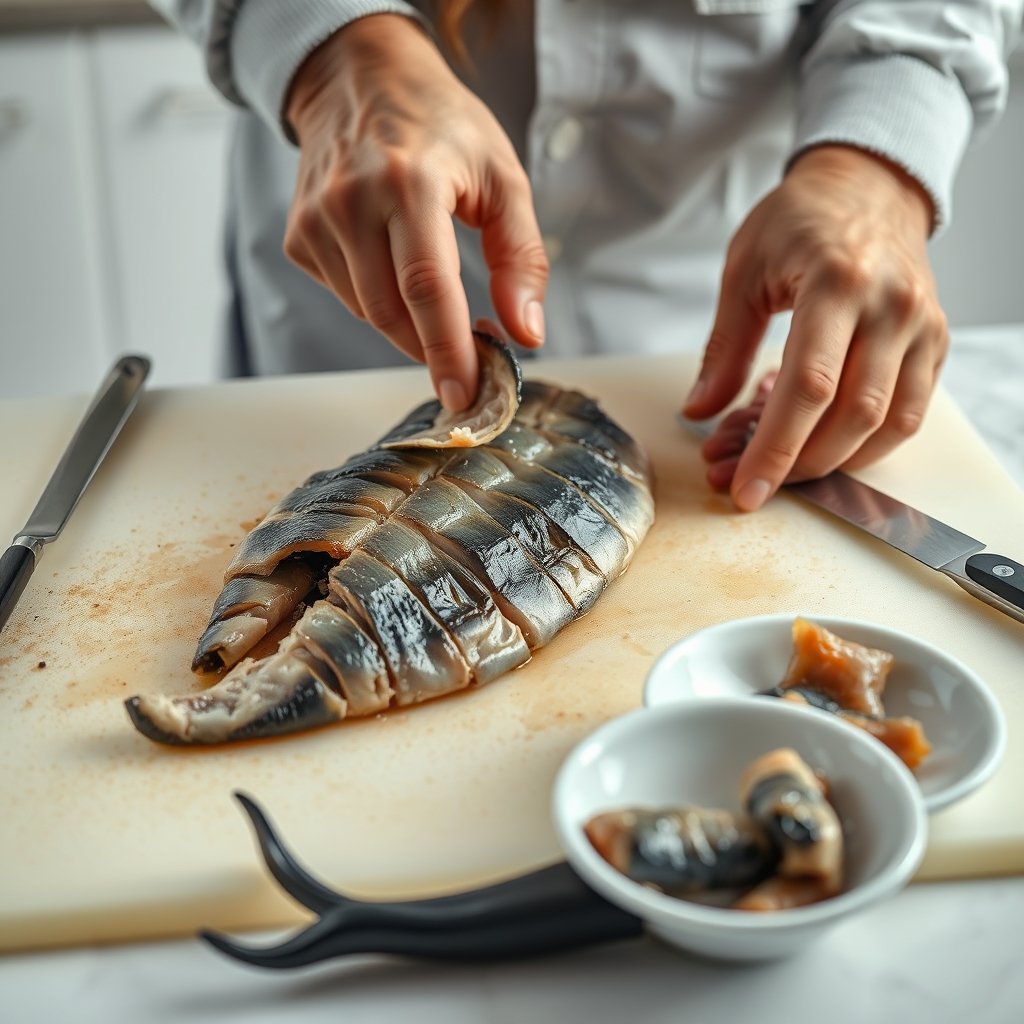
It’s worth noting that if you’re exploring other unusual treats for dogs, you might like can dogs eat Honeycrisp apples and can dogs eat Enoki mushrooms as safe, healthy options with their own requirements.
Advanced Analysis and Common Pitfalls
The generalized advice “fish is good for dogs” hides the nuance that each species has specific risks and benefits. Here’s how eel stacks up against other fish, and what to watch out for:
| Aspect | Eel (Cooked) | Salmon (Cooked) | Tilapia (Cooked) |
|---|---|---|---|
| Protein | Very high (Higher than chicken1) |
High | Moderate |
| Omega-3 | 2.4-2.7x more than chicken1 | High | Low |
| Calcium Digestibility | Superior (71-74%)1 | Moderate | Low |
| Main Risk | Raw blood toxins, bones | Parasites (raw) | Low nutrients |
| Unique Benefit | Minerals for coat, bones, seniors | Anti-inflammatory | Lean protein |
1: Frontiers in Veterinary Science (2025)
- DO NOT feed raw eel: Raw eel can kill dogs due to blood toxins. Even a small taste is dangerous.
- Bones are a choking hazard: Eel bones are especially sharp and slender. Never serve chunks with bones.
- Excess amounts can be imbalanced: Like any rich meat, too much eel can upset digestion or overload calories. Always offer as a rare supplement.
- No known parasite or heavy metal issues: No specific evidence links cooked eel to mercury or parasites in dogs, but always source from reputable suppliers and never feed wild-caught eel from questionable waters.
- Elderly and sensitive dogs: Eel’s high calcium digestibility may help older dogs or those with brittle nails/coats, but always consult your vet before introducing any new protein source. There’s also some evidence of reduced weight gain in animal studies, which might be good or bad depending on your dog’s health.
- No allergy data for dogs: Fish allergies in dogs are rare but can occur. Start with a tiny amount and observe closely.
For dogs with complex diets, consider vet-reviewed home-prepared diet guidelines, such as those from Cornell’s Canine Health Center, for safe experimenting.
Want to explore more dog-safe snacks and what to avoid? See Can Dogs Drink Pepto Bismol and Can Dogs Eat Fava Beans for smart, actionable safety tips.

Conclusion
Carefully prepared cooked eel can be a healthy, occasional treat for dogs, rich in protein, omega-3, and minerals that may benefit bone and coat health. However, the danger from raw eel blood toxins is extremely high, and improper preparation (even once) can result in severe illness or death. There are no published stats, recalls, or poisoning cases, but lack of data is not safety. Always feed small portions of thoroughly cooked, boneless eel, and monitor your dog after any new treat. If you’re in doubt or your dog has unique dietary needs, consult your vet first. For more safe treat ideas, check out Can Dogs Drink Pedialyte for hydration options and Can Dogs Eat Guar Gum for food additive safety. Remember: can dogs eat eels? Only cooked, never raw, and in moderation.
Want more science-based, realistic dog feeding guides? Bookmark our blog and stay safe—your dog depends on you.
FAQ
Is eel healthier for dogs than salmon or tilapia?
Cooked eel is higher in protein and omega-3 fatty acids than tilapia—and even chicken—according to a 2025 study in cats. Salmon is also high in omega-3s but lacks the uniquely high calcium digestibility of eel. Eel’s mineral profile may benefit older or active dogs, but always cook thoroughly and serve rarely.
Can dogs eat raw eel if frozen first?
No. Freezing does not destroy eel’s blood toxins. Only thorough cooking neutralizes these, making raw or undercooked eel extremely dangerous for dogs.
What symptoms show if my dog eats raw or undercooked eel?
Look for vomiting, tremors, drooling, weakness, seizures, and collapse. Raw eel blood toxins affect the nervous system and can be deadly. Contact a vet immediately if you suspect exposure.
Are there any real-world reports of eel poisoning in dogs?
No veterinary case studies or consumer recalls have been published. This likely reflects eel’s rarity in dog diets, not that it’s 100% safe. The risk remains, so always prepare according to safety guidelines.
What’s a safe serving size of cooked eel for dogs?
There are no official guidelines. Treat eel as a special snack, not a meal. For a medium-sized dog, a tablespoon-sized portion every week or two is reasonable. Adjust based on your dog’s weight and consult your vet for personalized advice.