


### Blog Post:
Can dogs drink beer? Many pet owners are surprised to learn that sharing even a small amount of alcohol with your dog is not just unsafe, but can quickly become a veterinary emergency. This guide breaks down the science, real-life risks, and actionable steps to protect your dog from the dangers of beer and other alcoholic drinks.
Key Takeaways
- Even a few sips of beer can be toxic or fatal for dogs due to their inability to process alcohol safely.
- Alcoholic beverages like beer and wine often contain extra toxins (hops, grapes) that increase risk far beyond ethanol alone.
- There is no safe alcohol threshold for dogs—prevention and quick action are essential to protect your pet’s health.
- Can Dogs Drink Beer? The Core Science Explained
- How to Keep Dogs Safe: Step-by-Step Guide
- Advanced Analysis and Common Pitfalls
- Conclusion
- Frequently Asked Questions
Can Dogs Drink Beer? The Core Science Explained
Dogs should never be given beer, wine, spirits, or any alcoholic beverages. Unlike humans, dogs process alcohol extremely inefficiently, making them highly vulnerable to intoxication and poisoning. Even a small amount can cause severe neurological, respiratory, and cardiovascular issues, especially in small breeds.
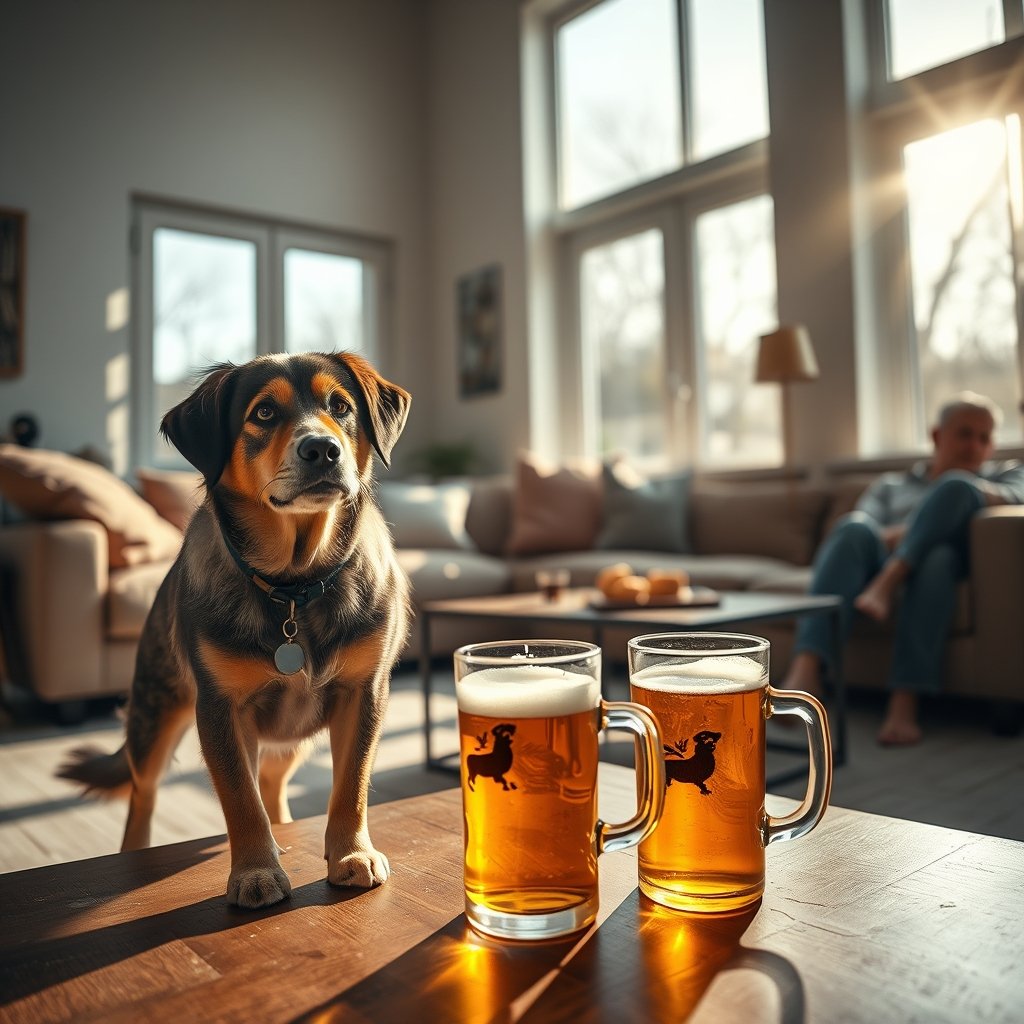
The main toxic agent in beer is ethanol. Doses as low as 5.5-7.9 g/kg of pure ethanol can be fatal for dogs—just 10 ounces of 6% beer can be deadly for a 10-pound dog. Beer isn’t just about ethanol, either. Ingredients like hops (used in brewing) trigger life-threatening reactions in some breeds, including dangerously high body temperatures and seizures. Wine poses additional dangers from grape content, potentially leading to acute kidney failure.
Symptoms of alcohol toxicity appear within 15 to 120 minutes of ingestion and can progress rapidly. Common warnings include lethargy, vomiting, collapse, decreased breathing, and even coma. Fast veterinary treatment is critical, as dogs can deteriorate within hours.
Giving your dog a taste is not harmless—canine bodies are not equipped to process alcohol or beer safely. Dogs lack the liver enzymes to break it down, and even a few licks can trigger a crisis. For precise, vet-approved data on alcohol toxicity and canine emergencies, review the resources from the AKC, PetMD, and VetMeds.org.
How to Keep Dogs Safe: Step-by-Step Guide
- Keep All Alcohol Out of Reach: Never leave beer, wine, or cocktails unattended—even brief access can be enough for a dog to ingest a dangerous amount. During gatherings, keep drinks up high and clear outdoor tables promptly.
- Educate Everyone in the Home: Make sure guests and family understand that alcohol is hazardous to pets. Remind them not to offer drinks “just for fun.”
- Recognize Symptoms—and Act Fast: If your dog laps up beer or other alcohol, watch for signs such as wobbliness, vomiting, drooling, or confusion. If you suspect any ingestion, call your vet or a poison hotline immediately.
- Secure Safe Alternatives: Offer dogs water or dog-safe treats instead of including them in celebrations with human beverages. Curious about healthy dog snacks? See can dogs eat Honeycrisp apples for ideas.
- Dog-Proof Party Zones: When hosting events with alcohol, consider crating your dog, using gates, or designating a safe, off-limits room.
- Avoid “Beer for Dogs” Products: Commercial “beer” for dogs is usually non-alcoholic, but always check ingredients for dangerous additives like hops or xylitol—explore safe options in can dogs drink Pedialyte and related hydration guides.
- Take Immediate Veterinary Action if Exposed: There’s no home remedy for alcohol poisoning. Call your vet or local poison control (Pet Poison Helpline) at the first sign of trouble.
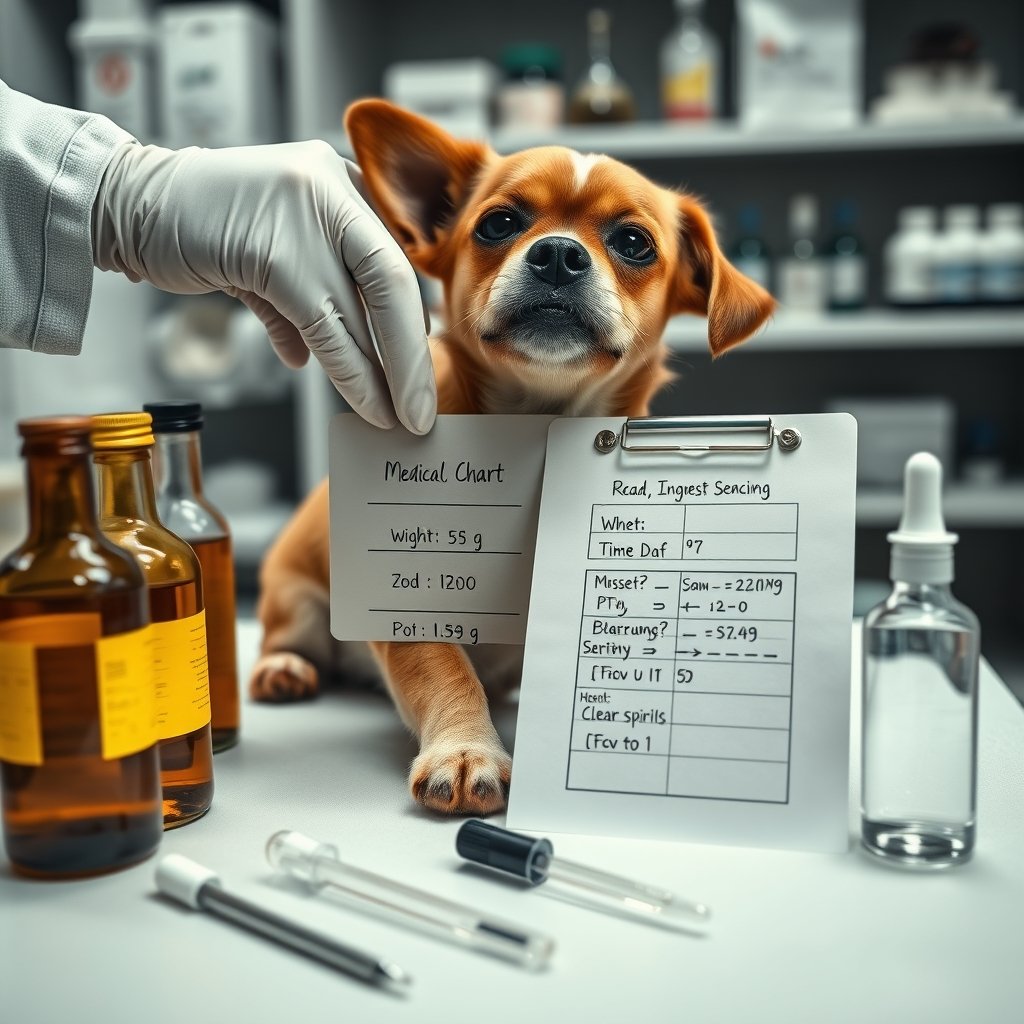
Most incidents happen by accident, not intention. Even tiny laps count as real risk—never assume your dog isn’t interested or immune. For more ways to safeguard your dog, see can dogs drink cow milk and can dogs drink cranberry juice to explore healthy hydration practices.
Advanced Analysis and Common Pitfalls
Despite warnings, misconceptions about alcohol and dogs remain common. Here are key pitfalls and the realities behind them:
- No Standard Safe Amount: There is no safe level of alcohol for dogs. Calculations based on grams per kilogram are precise for fatal dosing only—“a lick is okay” is a myth.
- Beer Ingredients Make Things Worse: The hops in beer can cause malignant hyperthermia, a deadly increase in body temperature, on top of ethanol poisoning. Grape content in wine poses additional dangers—acute kidney failure—even in trace amounts.
- Size Matters, But No Dog Is Safe: Small-breed dogs are at the highest risk, but even large breeds can be harmed by moderate amounts. Toy breeds can suffer fatal poisoning from what seems like a “tiny taste.”
- Other Alcohols Are Even More Toxic: Sanitizers and spirits (isopropanol, methanol) are even more dangerous than beer or wine. They trigger severe neurological and gastrointestinal damage at much lower doses.
- Underestimating Symptoms: Early signs—such as lethargy, stumbling, or increased thirst—are often misread or missed. By the time severe symptoms show, the poisoning could be life-threatening.
| Substance | Toxic Dose (Dog) | Acute Dangers | Long-Term Risks |
|---|---|---|---|
| Beer (Ethanol + Hops) | 5.5-7.9 g/kg ethanol (~10 oz/10 lb dog) |
Hypothermia, vomiting, seizures, respiratory failure | Permanent brain or heart damage if not promptly treated |
| Wine (Ethanol + Grapes) | Same as beer (plus grape toxicity risk at all doses) |
Kidney failure, collapse, coma | Acute or permanent kidney failure possible |
| Spirits (High-proof Alcohols) | Much smaller volume needed for poisoning | Severe CNS depression, coma, death | Brain and cardiac injury likely if survived |
Costs for emergency care vary but often start at several hundred dollars for decontamination and monitoring, and rise higher if critical care is needed. Prognosis is good if treatment is prompt, but poor if presented comatose or in respiratory distress. For more on related emergencies, see can dogs drink coke and can dogs drink soda.
Common situations leading to accidental ingestion include leaving drinks within reach at parties, backyard events, or assuming pets won’t be interested. Unattended glasses are the usual culprits. Always supervise your dog, opt for water bowls, and educate all visitors about the risks.
Conclusion
Beer, wine, and other alcoholic drinks are never safe for dogs—period. Science and veterinary accident reports show that even small amounts can lead to fatal outcomes, complicated by toxic beer ingredients and a dog’s unique metabolism. Always keep drinks secured and act fast if a mishap occurs. Protect your pet and never experiment—when it comes to can dogs drink beer, the answer is always no.
If you ever suspect your dog has ingested alcohol, call your vet or a poison helpline immediately. For additional pet safety guides and practical health tips, explore other in-depth topics on our site.
Frequently Asked Questions
What happens if my dog drinks beer?
Alcohol and hops in beer can cause vomiting, lethargy, low body temperature, breathing issues, and coordination problems—potentially fatal, especially in small breeds. Treat any ingestion as an emergency and call your vet immediately.
How much beer is toxic to dogs?
Just 10 ounces of 6% beer can be deadly for a 10-pound dog, and far less can cause severe illness. There is no safe threshold for alcohol consumption in dogs.
Are all alcoholic drinks equally dangerous for dogs?
All alcoholic beverages are dangerous, but spirits and products with added toxins (like hops in beer or grapes in wine) are even more hazardous. Pure alcohol products and sanitizers are the most toxic of all.
Can I give my dog “dog beer” sold in stores?
Non-alcoholic “dog beer” are safe if they don’t contain hops, xylitol, or other toxic additives. Always check ingredients and when in doubt, stick to water or vet-approved treats.
What should I do if my dog accidentally drinks alcohol?
Contact your veterinarian or a poison helpline immediately. Time is critical—do not try home remedies. Bring information on how much was drunk, your dog’s weight, and any symptoms for proper assessment and care.
—